Top Landscaping Services in Amherst, MA, 01002 | Compare & Call

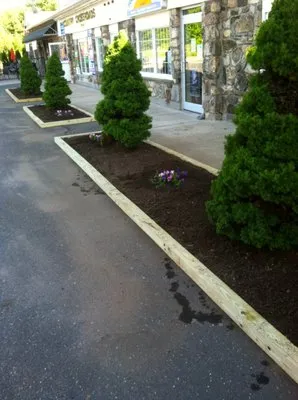
Busy Bee Landscaping is a full-service landscaping company serving Amherst, MA and surrounding communities since 2010. Founded by Tyler, who learned the trade from his father and through work with loc...

Serving Amherst and the Pioneer Valley, Sparkys Services is your trusted, full-service partner for transforming and maintaining your outdoor space. We specialize in comprehensive landscaping, expert t...

Taylor Davis Landscape Co-TLC is a family-owned and operated landscaping business serving Amherst, MA, and surrounding Hampshire and Franklin Counties for over 28 years. With a dedicated team of speci...

Amherst Property Management is a boutique firm dedicated to the Amherst community. We intentionally keep our operations small to provide highly personalized service, focusing on building strong relati...
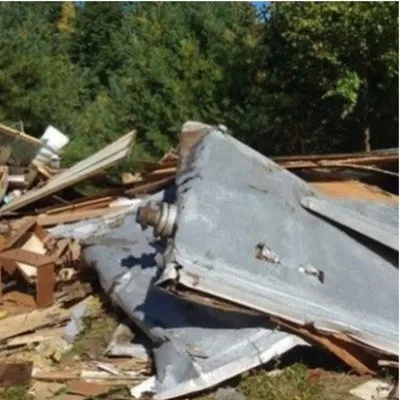
For over a decade, Duke's has been the family-owned property management and demolition specialist serving Amherst, Northampton, and the surrounding Pioneer Valley communities. We offer a comprehensive...
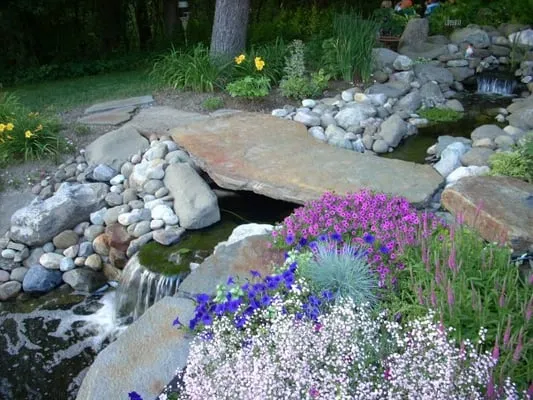
Whirlwind Fine Garden Design
Whirlwind Fine Garden Design is a family-run landscaping business serving Amherst, MA since 1992. Owner Chris Baxter brings over 30 years of expertise, holding a Master of Landscape Architecture from ...

Wagner Wood is a trusted, locally-owned service provider in Amherst, MA, specializing in comprehensive lawn and tree care. Amherst homeowners often face specific challenges like lawn damage from invas...
Griffins Property Care is a trusted local business in Amherst, MA, specializing in landscaping, gutter services, and tree care. We help homeowners tackle common Amherst landscaping challenges like ove...
Pioneer Valley Organics Landscaping provides expert lawn care services for homeowners in Amherst, MA. We understand the common local frustrations with landscaping, such as irrigation timer failures th...
Nativescapes Landscaping is an Amherst-based contractor specializing in landscape construction and maintenance for local homeowners. The business is well-versed in the specific challenges of Western M...
Question Answers
Why does my Echo Village lawn have drainage issues and poor grass growth?
Amherst's acidic sandy loam soil (pH 5.5-6.2) in Echo Village has developed over 52 years since typical 1974 construction. This soil maturity means compaction has reduced permeability, limiting water infiltration and root development. Core aeration with organic amendments like composted leaf litter improves soil structure and nutrient availability. Regular soil testing every 2-3 years monitors pH adjustments needed for optimal turf and native plant health.
What permits and licenses are needed for landscape grading?
The Amherst Planning Department requires erosion control permits for any grading affecting more than 1,000 square feet on 0.35-acre lots. Massachusetts Division of Occupational Licensure mandates landscape construction registration for projects exceeding $1,500 in value. Certified professionals must document soil displacement plans and stormwater management strategies. Failure to comply risks fines up to $5,000 per violation under state environmental protection regulations.
How do I manage invasive species without chemical runoff?
Japanese knotweed and garlic mustard require manual removal before seed set in early summer. Targeted glyphosate applications follow Massachusetts fertilizer law restrictions, avoiding phosphorus-containing products. Treatment windows occur outside blackout dates, typically late April through early June. Barrier fabrics prevent regrowth while native groundcovers establish. Soil testing ensures amendments don't violate local water quality protections.
How do I maintain my lawn during Stage 1 water restrictions?
Wi-Fi ET-based weather sensing irrigation calculates evapotranspiration rates to deliver precise water volumes. This technology reduces Kentucky Bluegrass and Fine Fescue blend watering by 25-40% while maintaining turf health. Programming follows municipal guidelines with deep, infrequent cycles that encourage root development. Soil moisture sensors provide real-time data to prevent overwatering during seasonal saturation periods.
How quickly can you respond to storm damage for HOA compliance?
Emergency cleanup dispatch from Amherst Town Common via Route 9 reaches Echo Village within 20-30 minutes during peak conditions. Our electric fleet operates within noise ordinance restrictions (8pm-7am) for after-hours response. We prioritize safety assessments, debris removal, and temporary stabilization to meet municipal and HOA requirements. Documentation for insurance claims is provided within 24 hours of service completion.
Can I reduce maintenance while supporting local ecology?
Replacing high-maintenance turf with Eastern Redbud, Sweet Pepperbush, and Little Bluestem creates biodiverse landscapes requiring 70% less water. These natives support pollinators while eliminating gas-powered blower use during restricted hours. Mycorrhizal inoculants establish within 6-8 weeks, creating self-sustaining plant communities. This approach aligns with 2026 biodiversity standards and reduces carbon emissions from maintenance equipment.
Are granite pavers better than wood for Amherst's climate?
Granite pavers and fieldstone withstand 100+ freeze-thaw cycles with minimal deterioration, unlike wood's 8-12 year lifespan. Their non-combustible nature supports low fire-wise ratings in urban-suburban interfaces. Proper installation with polymeric sand joints prevents weed penetration while allowing drainage. These materials require no chemical treatments, reducing maintenance and environmental impact compared to pressure-treated lumber alternatives.
What solutions prevent frost heave and seasonal flooding?
Acidic sandy loam's high saturation risk requires French drains or dry wells with 12-18 inch gravel bases. Permeable granite paver installations meet Amherst Planning Department runoff standards by allowing 8-12 inches per hour infiltration. Grading should create 2% slope away from foundations, with catch basins in low-lying areas. These measures reduce frost heave damage while managing the 35-45 inch annual precipitation typical in Zone 6a.
