Top Landscaping Services in Agawam, MA, 01001 | Compare & Call


Pinette Landscaping is a locally owned and operated landscaping company serving Agawam, MA, and the surrounding Pioneer Valley since 2010. Founded by a self-employed landscaper with a Bachelor's Degre...
Allen Lawnmower Co is a trusted local landscaping and gardening business serving Agawam, MA. We specialize in gardening and landscape maintenance to help homeowners tackle common local issues like soi...
Mowit Lawn Care brings deep-rooted expertise to Agawam, MA, offering reliable, year-round lawn care for homes and businesses. Established in 2023, our team's long-standing experience in landscaping en...

Northern Roots is a trusted Agawam, MA, company dedicated to enhancing and maintaining the local landscape. We specialize in a full range of excavation and land management services, from detailed land...
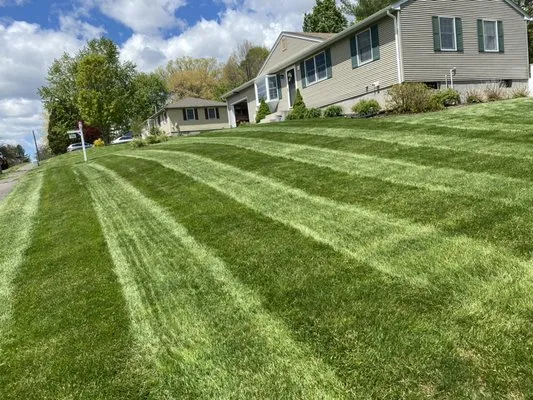
Family & Friends Landscaping is a trusted, full-service landscaping company serving homeowners in Agawam, MA. We understand the common challenges local properties face, like persistent dead lawn patch...

Zymroz Landscape Construction
Zymroz Landscape Construction is a trusted, full-service contractor serving Agawam and the surrounding Pioneer Valley. We specialize in solving common local yard issues like poor drainage and patchy, ...
Santaniello Landscaping is a trusted, locally-owned landscaping company serving homeowners in Agawam, Massachusetts. We specialize in diagnosing and solving the common yard problems that affect proper...
Eagle Eye Landscaping is a trusted local landscaping company serving Agawam, MA, and surrounding areas. We specialize in diagnosing and treating common local lawn problems like lawn fungus disease and...
CRW Landscapes is a trusted, full-service landscaping and masonry contractor serving Agawam, MA, and the surrounding Pioneer Valley. We specialize in solving the common local yard drainage issues and ...
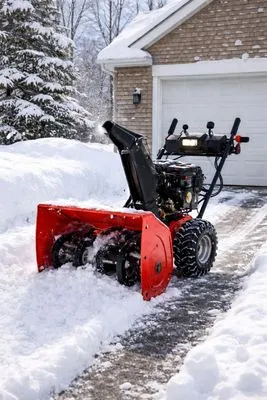
In Agawam, MA, where heavy snowfall and seasonal storms are a reality, reliable snow removal is essential for safety and accessibility. Our local services ensure your driveways, walkways, and commerci...
Question Answers
Should I use pressure-treated wood or concrete pavers for a new patio?
For durability and fire safety in our moderate Firewise rating zone, concrete pavers or native fieldstone are superior. Wood decks require regular chemical treatments and have a shorter lifespan. Pavers offer permanent, non-combustible surfaces that contribute to defensible space around your home. Their permeability also manages runoff better than solid concrete. When set properly on a compacted gravel base, paver installations in Agawam's soil can last decades with minimal maintenance compared to wood.
My backyard is a soggy mess every spring and the ground seems to shift. What's the cause and fix?
This is a classic symptom of Agawam's high seasonal water table combined with frost heave susceptibility in sandy loam. Saturated soil expands when frozen, then thaws unevenly, causing movement and poor drainage. Surface grading alone is insufficient. A proper solution involves installing subsurface French drains or dry wells to intercept groundwater. Using permeable concrete pavers for any new patios can also aid infiltration and will help meet the Agawam Planning Department's updated stormwater runoff standards.
I have a major storm-damaged tree and need emergency service. How quickly can a crew arrive?
For emergency cleanup in Agawam Center, our standard peak response is 20-30 minutes. The dispatch route from our central staging area near Robinson State Park utilizes MA-57 for direct access, allowing crews to bypass heavier traffic on main arteries. We coordinate with local public works on road closures. All emergency vehicles are part of our transition to a quiet, electric fleet to comply with Agawam's noise ordinances, even during urgent operations.
What are the biggest invasive plant threats here, and how do I remove them safely?
In Agawam, watch for Japanese Knotweed, Oriental Bittersweet, and Garlic Mustard. These species outcompete natives and degrade soil health. Manual removal is best for small infestations, ensuring the entire root system is extracted. For larger problems, targeted, professional-grade herbicide application may be necessary. Critically, any follow-up soil amendment or fertilization must use phosphorus-free products to comply with Agawam's ordinance, unless a recent soil test confirms a specific deficiency.
Do I need a permit to regrade my yard, and what kind of professional should I hire?
Yes, regrading a 0.35-acre lot in Agawam typically requires a permit from the Agawam Planning Department to ensure proper stormwater management and adherence to zoning setbacks. For significant earthmoving or complex drainage solutions, you must hire a licensed professional. In Massachusetts, this means a Landscape Architect registered with the Massachusetts Board of Registration of Landscape Architects or a licensed Site Contractor. This ensures the work is engineered correctly for our soil and water table conditions, protecting your property and your neighbors'.
Why does my lawn in Agawam Center struggle so much compared to my neighbor's?
Homes built around 1970, typical for this area, have soil that has been in place for over 55 years. In Agawam's acidic sandy loam, decades of compaction from foot traffic and mowing have severely degraded soil structure and depleted organic matter. This limits root depth and nutrient availability, leading to thin turf. The solution is not just fertilizer; it requires core aeration and amendments like compost to rebuild soil biology and improve permeability for long-term health.
How can I keep my Kentucky Bluegrass lawn green during the summer without wasting water?
Agawam's voluntary conservation status means efficient water use is critical. Smart Wi-Fi soil moisture sensor controllers are essential; they irrigate based on actual ET (evapotranspiration) and soil conditions, not a fixed schedule. For your grass mix, this means applying water only when the root zone dries to a specific depth, preventing overwatering that exacerbates our high water table. This technology can reduce potable water use by 20-30% while maintaining turf health within municipal guidelines.
I'm tired of weekly mowing and noisy gas equipment. Are there lower-maintenance options?
Absolutely. Transitioning sections of high-maintenance turf to a landscape of Eastern Redbud, Switchgrass, New England Aster, and Swamp Milkweed is a forward-thinking strategy. These natives are adapted to Zone 6a and acidic soil, requiring no fertilization, minimal water once established, and no weekly mowing. This directly addresses coming regulations, as Agawam's noise ordinance restricting gas-powered equipment is a precursor to broader emissions rules. An electric maintenance fleet is quiet and sufficient for managing such a landscape.
