Top Landscaping Services in Acushnet, MA, 02743 | Compare & Call

Manny's Lawn Sprinklers & Landscaping is a trusted local landscaping company serving Acushnet, MA, and surrounding areas. With years of experience, Manny's specializes in creating and maintaining beau...

Lawn & Order Land Design is a full-service landscape company founded in 2014 by Acushnet native Brandon Sullo. Brandon brings his Bachelor's degree in Landscape Design and years of local experience to...

Paul Nunes & Son Landscaping is a family-owned and operated landscaping company serving Acushnet, MA, and surrounding areas. With expertise in landscape maintenance, tree care services, and fencing so...
Joseph Amaral Landscaping provides dependable, year-round landscape care for Acushnet, MA homes. Specializing in routine maintenance and proactive solutions, we help homeowners tackle the area's commo...
Fernandes Property Management is a trusted local service in Acushnet, MA, dedicated to maintaining and enhancing the curb appeal and value of residential and commercial properties. We understand that ...
Antonio F Sousa Landscaping is a trusted local landscaping company serving Acushnet, MA, and surrounding areas. With years of hands-on experience, we specialize in addressing common local landscaping ...
Meehan Ken Tree & Landscape is a trusted, locally-owned landscaping company serving Acushnet, MA, and the surrounding South Coast area. With years of experience, we specialize in comprehensive tree ca...
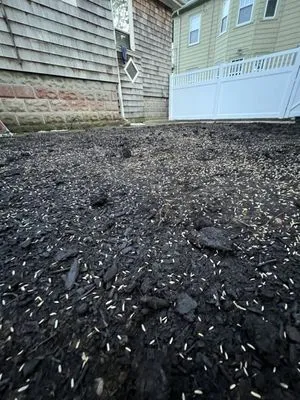
T.J.'s Landscaping is a full-service landscaping company based in Acushnet, MA, serving Bristol County and the surrounding communities. We provide comprehensive care for your property, from foundation...
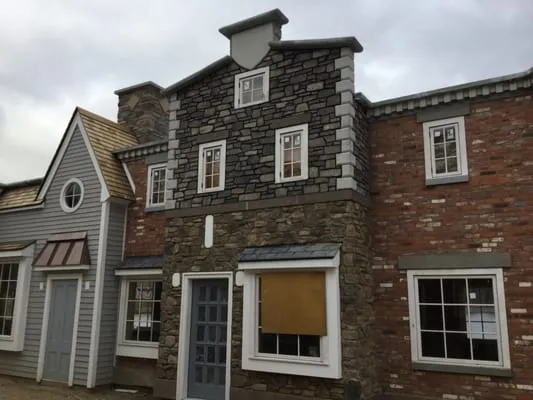
Art Stonework Construction
Art Stonework Construction, led by master mason Artesian Antonio Francisco Sousa, brings authentic European masonry craftsmanship to Acushnet, MA. With over 30 years of passionate experience, Antonio ...
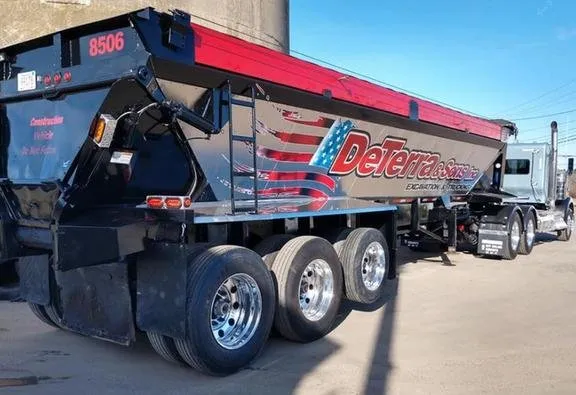
Deterra & Sons Excavation
Deterra & Sons Excavation is a family-owned excavation service based in Acushnet, MA, serving Bristol and Plymouth Counties. Specializing in excavation, trench digging, landscaping, and septic service...
Frequently Asked Questions
We want to reduce lawn maintenance and noise from gas equipment. What native alternatives work in our area?
Replacing high-maintenance turf with Sweet Pepperbush, Northern Bayberry, Wild Bergamot, and Butterfly Weed creates resilient landscapes requiring minimal intervention. These natives thrive in USDA Zone 6b conditions with acidic sandy loam, needing only seasonal pruning rather than weekly mowing. Transitioning to electric maintenance equipment aligns with evolving noise ordinances while eliminating fossil fuel emissions. This approach reduces water demand 60-70% compared to traditional turf and supports local pollinator populations through continuous bloom cycles.
We're considering patio materials for our Acushnet property. How does granite compare to wood for longevity and safety?
Granite pavers offer superior longevity to wood, with 50+ year lifespans versus wood's 10-15 years in Acushnet's climate. For properties in Moderate Firewise Interface Zones, granite provides non-combustible defensible space when installed with proper clearance from structures. Crushed stone bases beneath pavers create stable surfaces resistant to frost heave common in Zone 6b. Unlike wood, granite requires no chemical treatments that might leach into acidic sandy loam soils, making it both durable and environmentally stable for your 0.75-acre lot.
We need emergency storm cleanup before an HOA inspection next week. How quickly can you respond to our Acushnet Center location?
Emergency response from Long Plain Village via MA-18 typically requires 20-30 minutes during peak conditions. Our dispatch prioritizes routes avoiding congestion around the Acushnet Building Department area. For HOA compliance situations, we coordinate debris removal and turf restoration within 48 hours. This timeframe accounts for both travel logistics and the 0.75-acre property size common in your neighborhood.
Our Acushnet yard experiences seasonal saturation despite sandy soil. What drainage solutions work with local regulations?
High water tables in Acushnet's acidic sandy loam require permeable hardscape materials that meet runoff standards. Granite pavers installed with crushed stone bases and joint sand create infiltration surfaces that reduce ponding. The Acushnet Building Department typically approves such systems when they demonstrate 80-90% permeability rates. For severe cases, French drains with clean stone aggregate redirect subsurface water while maintaining soil structure. These approaches address saturation without violating municipal drainage requirements.
How can we maintain our Kentucky Bluegrass and Fine Fescue blend during Acushnet's Stage 1 water restrictions?
Smart Wi-Fi soil moisture sensor controllers optimize irrigation by tracking evapotranspiration rates and soil conditions. These systems apply water only when root zones reach predetermined dryness thresholds, typically reducing usage 20-30% compared to timer-based systems. For your acidic sandy loam, sensors placed at 4-6 inch depths prevent both saturation and drought stress. This approach maintains turf health while respecting municipal conservation guidelines through precise moisture management.
We want to regrade part of our Acushnet yard. What permits and professional requirements should we consider?
Grading work on 0.75-acre lots in Acushnet typically requires permits from the Acushnet Building Department when altering drainage patterns or moving more than 50 cubic yards of material. The Massachusetts Board of Registration of Landscape Architects licenses professionals for designs affecting stormwater management or significant earth movement. For projects near property lines or involving retention structures, certified professionals must ensure compliance with both local ordinances and state environmental regulations. This licensing framework protects against erosion and runoff issues common in areas with high water tables.
Our Acushnet Center yard has been struggling with drainage and thin grass. Could this be related to the age of our property?
Properties built around 1958 in Acushnet Center have approximately 68 years of soil development. Acidic sandy loam soils in this neighborhood naturally compact over decades, reducing permeability and root penetration. Core aeration every 2-3 years addresses this compaction by creating channels for air, water, and nutrients. Adding organic amendments like composted leaf mold improves water retention in sandy soils while gradually raising pH toward optimal 6.0-6.5 for turf health.
We've spotted invasive plants in our Acushnet yard. How can we treat them without violating fertilizer regulations?
Common invasive species in Acushnet include Japanese knotweed and garlic mustard, which outcompete native vegetation. Manual removal before seed set combined with targeted organic herbicides avoids phosphorus application prohibited by statewide regulations. For persistent infestations, solarization using clear plastic during summer months heats soil to lethal temperatures without chemicals. Always coordinate treatments around the mid-April mulching peak when soil temperatures support competitive native establishment. This integrated approach manages invasives while maintaining regulatory compliance.
