Top Landscaping Services in Acton, MA, 01718 | Compare & Call
There are 188 landscaping companies server in Acton MA
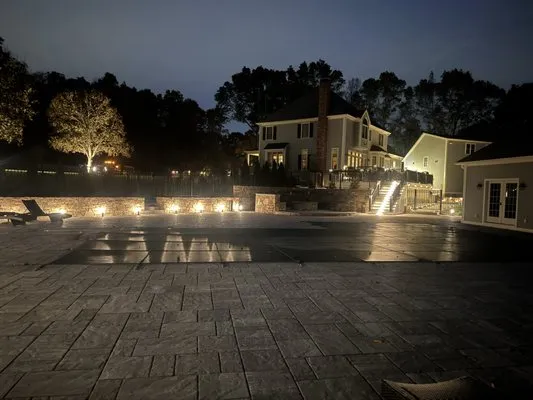
Francisco Stonework is a trusted, full-service masonry and outdoor improvement contractor serving Sutton, MA, and the surrounding communities. We specialize in transforming and protecting your propert...
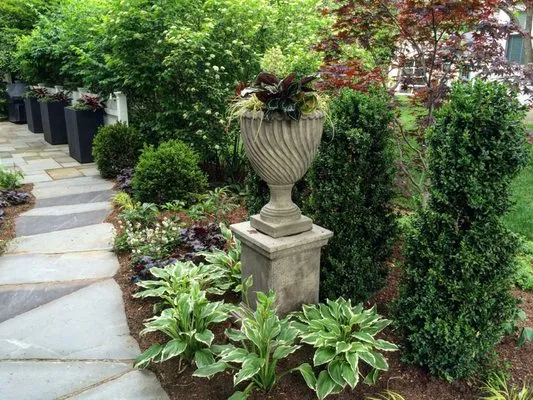
Alden Laurel
Alden Laurel is a boutique landscape design-build and garden services firm serving Lincoln, MA, and surrounding communities like Concord and Weston. We specialize in creating sophisticated, Nordic-ins...

Above & Beyond Tree Care is your local, hands-on arborist and landscaper in Newton. For over two decades, owner has specialized in the skilled art of climbing, allowing him to access and care for tree...

Maple Court Enterprises Landscaping is a property maintenance company based in Concord, MA, serving Middlesex County and surrounding areas. With over two years of experience, we are dedicated to provi...
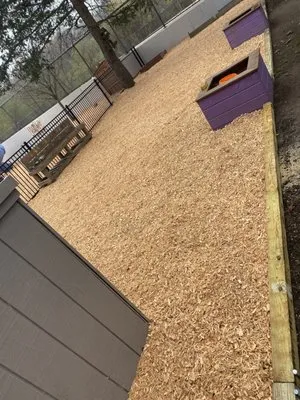
Jimenez Landscaping is a Sudbury-based landscaping and tree service company dedicated to transforming outdoor spaces with expertise and care. With many years of experience serving the local community,...
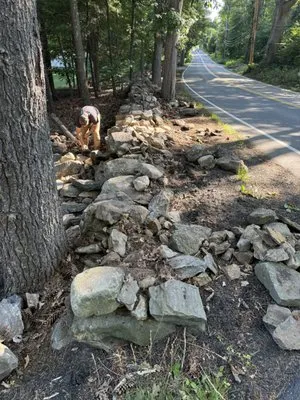
Wright Landscapes is a full-service landscaping company serving Stow, MA, and surrounding towns with over two decades of combined experience. As the new owner of a well-established local business, we ...

J.gudiel Landscape
Jose Gudiel's passion for landscaping began in high school, where he studied agriculture and horticulture. He started working in the field at 16, learning the craft from his father and other professio...
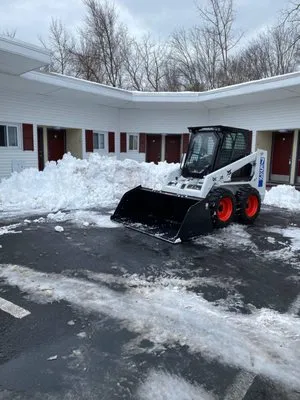
William's Landscaping has been serving Waltham and the greater New England area for over a decade, building a reputation for reliable, comprehensive outdoor solutions. We specialize in transforming re...

Minuteman Landscaping is a family-owned Concord business with over three decades of experience dedicated to safe, organic lawn and landscape care. Founded on the principle that conventional chemicals ...
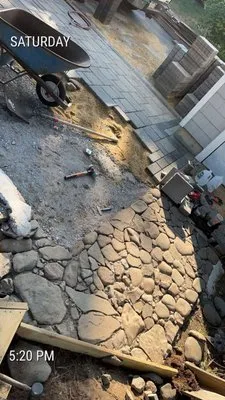
Pintabone Landscaping is a trusted, locally-owned landscaping contractor serving Waltham, MA. Owner-operators bring nearly 15 years of hands-on experience to every project, from intricate landscape de...
Estimated Landscaping Service Costs in Acton, MA
Common Questions
Our Acton yard has seasonal ponding - what solutions work with our soil type?
High water tables in Acton's acidic sandy loam require integrated drainage approaches. Permeable granite paver systems with crushed stone bases create 40-50% void spaces for water infiltration, meeting Acton Planning Division runoff standards. French drains should be installed 18-24 inches deep with proper slope to redirect saturation away from structures. These solutions address seasonal saturation while maintaining soil structure and preventing erosion common in sandy loam profiles.
Should we choose granite or wood for our new patio considering fire safety?
Granite pavers with crushed stone bases provide superior longevity and fire resistance compared to wood decking. In Acton's Moderate Wildland-Urban Interface rating, non-combustible hardscapes create defensible space within 30 feet of structures. Granite's thermal mass also moderates microclimate temperatures, reducing irrigation demands on adjacent plantings. Properly installed with adequate permeability, granite systems last 40+ years with minimal maintenance, while wood requires replacement every 10-15 years with greater fire risk.
How can we maintain our Kentucky Bluegrass lawn during Acton's Stage 1 water restrictions?
Smart Wi-Fi soil-moisture sensing controllers optimize irrigation by tracking evapotranspiration rates and soil saturation levels. These systems apply water only when turfgrass root zones reach predetermined dryness thresholds, typically reducing consumption by 30-40% compared to timer-based systems. For Acton's acidic sandy loam, controllers should be calibrated to maintain 6-8 inch moisture depth for Kentucky Bluegrass/Fine Fescue mixes. This technology supports voluntary conservation while preserving turf health through drought periods.
What native plant options would reduce our maintenance needs and equipment noise?
Transitioning to Eastern Redbud, Highbush Blueberry, New England Aster, Joe-Pye Weed, and Little Bluestem creates self-sustaining ecosystems requiring minimal intervention. These Massachusetts natives thrive in Zone 6a conditions with established root systems accessing deeper soil moisture. Reduced mowing frequency decreases reliance on gas-powered equipment ahead of tightening noise ordinances. Native plant communities also support 2026 biodiversity standards through pollinator habitats and natural pest resistance.
Our Acton Center yard has patchy grass and compacted soil - is this typical for our neighborhood?
Acton Center properties built around 1979 have 47-year-old soil profiles that show predictable degradation. Acidic sandy loam soils in this area naturally compact over decades, reducing permeability and oxygen availability to root zones. Core aeration every 2-3 years is essential to break up compaction layers and improve water infiltration. Incorporating organic amendments like composted leaf mold can gradually adjust pH toward optimal 6.0-6.5 range while enhancing soil structure.
We need emergency storm cleanup before an HOA inspection tomorrow - what's your fastest response time?
Our electric maintenance fleet can dispatch from Acton Town Hall within 20-30 minutes during peak response windows. We route via Route 2 to minimize travel delays while complying with noise ordinance restrictions on gas-powered equipment. Emergency cleanup protocols prioritize safety assessments before debris removal, with electric equipment operating within permitted 8:00 AM to 6:00 PM hours. This approach ensures compliance while addressing immediate landscape hazards.
What permits and licenses are needed for regrading our 0.75-acre Acton property?
Grading projects exceeding 100 cubic yards of earth movement require Acton Planning Division review under Massachusetts Wetlands Protection Act provisions. Professionals must hold Massachusetts Board of Registration of Landscape Architects certification for designs impacting drainage patterns or altering more than 15% of lot topography. On 0.75-acre parcels, engineered plans demonstrating compliance with local runoff coefficients and erosion control measures are mandatory. These regulations ensure proper water management and prevent downstream sedimentation issues.
We've spotted invasive Japanese knotweed - how do we treat it without violating fertilizer rules?
Japanese knotweed requires targeted glyphosate applications during active growth phases, carefully timed outside Acton's phosphorus-free fertilizer blackout periods. Manual removal should precede chemical treatment, with all root fragments exceeding 0.5 inches removed to prevent regrowth. Treatment plans must account for sandy loam's rapid percolation to prevent chemical migration. Follow-up monitoring for 3 growing seasons is essential, with native plant restoration using New England Aster or Little Bluestem to occupy reclaimed spaces.
