Top Landscaping Services in Pearl River, LA, 70452 | Compare & Call


Boyet Lawn & Landworks is a locally owned and operated lawn service business in Pearl River, LA, led by owner Justin 'Todd' Boyet. With a commitment to bringing local community land and lawn visions t...
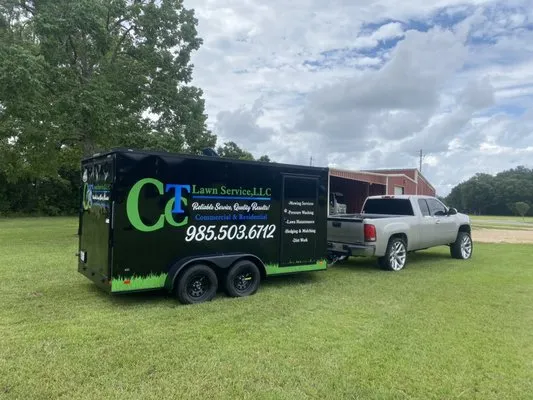
CTC Lawn Services is a trusted, locally-owned lawn care provider serving Pearl River, LA, and surrounding areas. We specialize in comprehensive lawn care, pressure washing, and masonry/concrete servic...
LandScapes in Pearl River, LA, brings over two decades of hands-on landscaping expertise to every project. With 22 years of experience, we specialize in transforming your outdoor vision into reality, ...
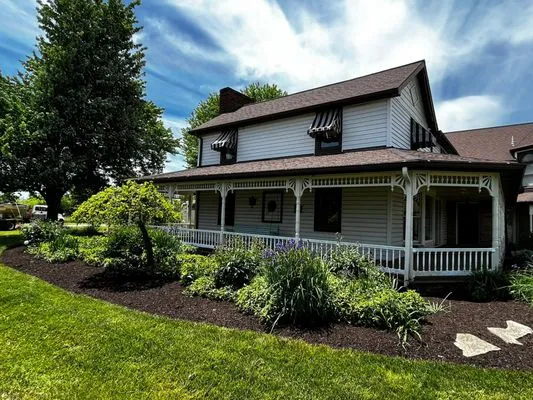
Charter Oaks Lawn Care and Landscaping is a trusted local provider in Pearl River, dedicated to creating and maintaining beautiful, healthy lawns for our community. We specialize in comprehensive lawn...

Executive Lawn And Landscaping is a Pearl River-based landscaping and design firm specializing in creating sustainable, functional outdoor spaces for local homeowners. We understand that many properti...
Champions Handyman Services is your trusted, multi-skilled professional serving Pearl River, LA, and the surrounding area. We go beyond simple fixes to tackle the root causes of common local property ...

Green Grass Chemical Lawn Care Inc
Green Grass Chemical Lawn Care Inc. is a family-owned and locally-operated lawn care provider serving Pearl River and the greater New Orleans area since 1981. Our team includes licensed horticulturist...

AJC Lawncare is a trusted local lawn service provider serving Pearl River, LA, and surrounding areas. Specializing in comprehensive lawn care solutions, we help homeowners tackle common local landscap...
Kouricks Mobile Services is your trusted, locally-owned partner for home cleaning and landscaping in Pearl River, LA. We understand the common local challenges homeowners face, such as insect-damaged ...
Serving Pearl River, LA, Jason's Lawn Service provides dedicated lawn care to combat the common local challenges homeowners face, such as soil compaction and inefficient watering from sprinkler leaks....
Q&A
If we need emergency storm cleanup to meet HOA compliance deadlines, how quickly can crews reach our property?
Emergency response crews dispatch from the Honey Island Swamp service area via I-59 to Pearl River Estates within 45-60 minutes during peak conditions. This routing accounts for typical traffic patterns while maintaining compliance with St. Tammany Parish commercial hours. The response window ensures debris removal meets HOA vegetation management requirements while adhering to noise ordinance restrictions on equipment operation.
What solutions address seasonal flooding in our yard with acidic silty loam soil?
Seasonal flooding in Pearl River's high water table areas requires permeable hardscaping solutions. Crushed shell or permeable concrete installations increase surface infiltration rates while meeting St. Tammany Parish runoff standards. These materials allow 3-5 inches per hour of water penetration, reducing standing water duration in silty loam soils. Combined with French drains or dry creek beds, permeable surfaces manage stormwater without creating additional drainage hazards.
How can we maintain healthy St. Augustine grass during Stage 1 water restrictions without overwatering?
Smart Wi-Fi soil moisture sensor controllers optimize irrigation by measuring actual soil conditions rather than relying on timers. These systems adjust watering based on evapotranspiration rates and rainfall data, typically reducing water use by 20-30% while preserving turf health. For Palmetto St. Augustine or Centipede grass in Zone 9a, this technology maintains root zone moisture at optimal levels without exceeding municipal conservation guidelines during voluntary restrictions.
How do we manage invasive species without violating fertilizer application guidelines?
Invasive species like Chinese Tallow or Cogongrass require targeted mechanical removal followed by native replanting to prevent recurrence. Treatment timing avoids statewide BMP blackout dates for nutrient application, typically late fall through early spring. Manual extraction or spot herbicide applications during permissible windows prevent soil disturbance that could trigger erosion in silty loam. Establishing competitive native groundcovers like Beautyberry creates biological barriers against future invasions.
Our Pearl River Estates yard seems compacted and drains poorly - is this typical for our neighborhood's soil?
Pearl River Estates lots developed around 1995 have 31-year-old acidic silty loam soil with pH 5.5-6.0. This soil type naturally compacts over decades, reducing permeability and oxygen availability to roots. Core aeration every 2-3 years combined with organic amendments like composted pine bark improves soil structure. The high water table in our area exacerbates drainage issues in compacted silty loam, making soil health management essential for plant vitality.
What permits and licensing requirements apply to grading work on our half-acre lot?
Grading on 0.50-acre lots in St. Tammany Parish requires erosion control permits from the Department of Planning & Development when disturbing over 5,000 square feet. Contractors must hold Louisiana Horticulture Commission licensing for earthmoving exceeding 100 cubic yards. Professional licensing ensures proper slope stabilization techniques that prevent sedimentation in nearby waterways. These regulations address Pearl River's seasonal flooding risks while protecting the Honey Island Swamp watershed from construction-related runoff.
Which hardscape materials offer durability in Pearl River's climate with fire safety considerations?
Crushed shell or permeable concrete outperforms wood in longevity, resisting moisture damage from our high water table and acidic soil conditions. These materials maintain structural integrity for 15-20 years versus wood's 5-8 year lifespan in humid environments. For Moderate Wildland-Urban Interface zones, non-combustible hardscapes create defensible space by interrupting fuel continuity. Permeable options also reduce runoff velocity during heavy rains, complementing firewise landscaping principles.
What landscape alternatives reduce maintenance while supporting local ecology?
Replacing high-maintenance turf with native plantings like Southern Magnolia, Swamp Sunflower, and Beautyberry creates resilient landscapes. These species require minimal irrigation, no chemical inputs, and provide habitat for pollinators while reducing mowing frequency. Transitioning to electric maintenance equipment ahead of potential gas-blower restrictions supports noise ordinance compliance. Native Switchgrass and Longleaf Pine establish deep root systems that improve soil structure and carbon sequestration.
