Top Landscaping Services in Metairie, LA, 70001 | Compare & Call


Founded in Metairie in 1991 by Kenny and Jennifer Rabalais, The Plant Gallery grew from a small French Quarter shop into a comprehensive lifestyle and gardening center serving the New Orleans area. Ke...
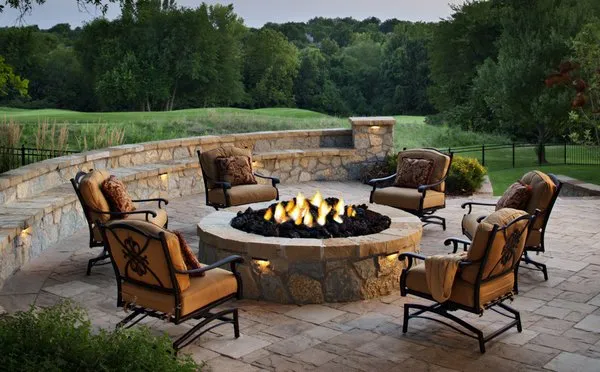
Jeff LeBlanc's Services has been a trusted name in Metairie's residential outdoor services since 1989, operating as Jeff LeBlanc Services LLC since 2008. With decades of experience, we've built our re...
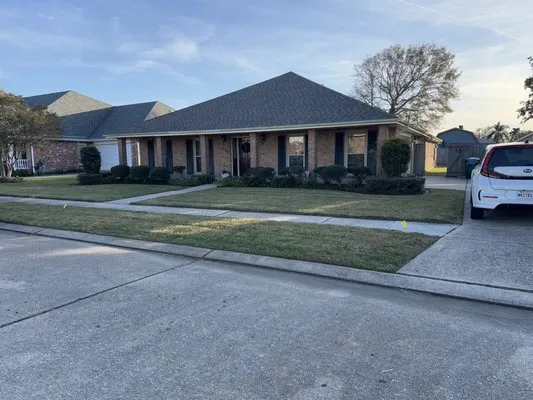
Lux Lawn & Landscaping Services is a Metairie-based, family-owned business with deep roots in the community. Owner [Name] began his journey in lawn care as a teenager, knocking on neighborhood doors a...
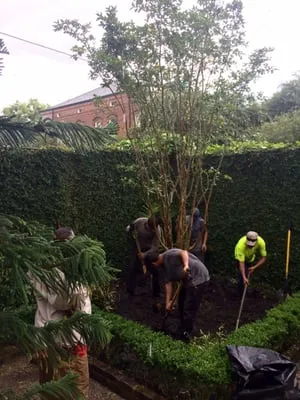
Crescent City Landscaping is a trusted Metairie-based landscaping company serving the local community with comprehensive outdoor solutions. We specialize in transforming and maintaining residential an...
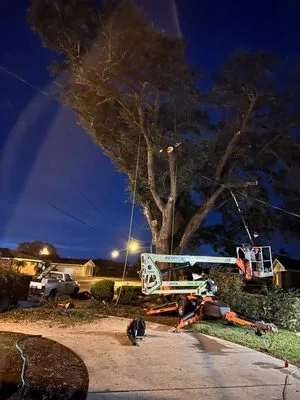
With over four years of dedicated service in Metairie, Rouse's Tree & Landscaping is built on a foundation of hands-on expertise and a genuine passion for the local environment. Founded by an arborist...
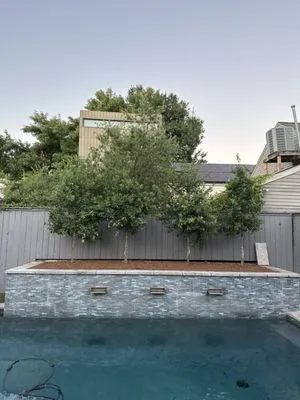
Borries Landscaping is a trusted, locally-owned landscaping company serving homeowners and businesses throughout Metairie, Louisiana. We specialize in creating and maintaining beautiful, healthy outdo...
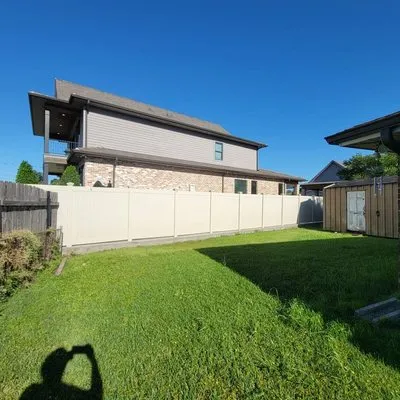
Rajun Cajun Landscaping & construction
Rajun Cajun Landscaping & Construction is a trusted, full-service contractor serving Metairie, LA. We specialize in transforming and protecting local landscapes through expert masonry, concrete work, ...
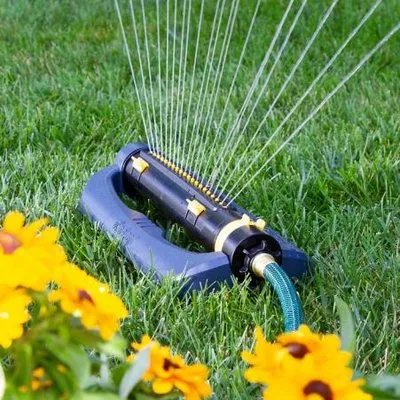
Mipro Lawn and Landscaping
Mipro Lawn and Landscaping is a trusted local landscaping company serving Metairie, LA, specializing in creating and maintaining beautiful outdoor spaces for both residential and commercial properties...

Nature Scapes of Louisiana LLC is a locally owned and operated landscaping company serving the greater New Orleans area, including Metairie. We provide reliable landscape maintenance for both homes an...
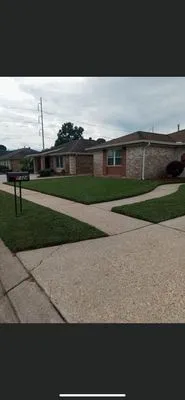
Landscaping by Tony has been a trusted name in Metairie since 2007, founded on a commitment to quality and meticulous attention to detail. Tony brings extensive knowledge of plants and landscape desig...
Frequently Asked Questions
Do we need a permit to regrade our backyard, and what kind of contractor should we hire?
Yes. Any significant regrading that alters site drainage on a 0.22-acre lot typically requires review by the Jefferson Parish Department of Inspection and Code Enforcement. It is critical to hire a landscape contractor licensed by the Louisiana Horticulture Commission for this work. This licensing ensures the professional understands soil mechanics, proper slope calculations, and how to integrate solutions like French drains or dry creek beds to manage water without negatively impacting neighboring properties.
Our backyard floods after every heavy rain. What's a permanent solution?
Chronic localized flooding is common here due to the high water table and dense Commerce Silt Loam. Regrading to create a gentle slope away from the foundation is the first step. For hardscape areas, replacing solid concrete with permeable concrete pavers is highly effective. This system allows water to infiltrate directly into the ground, reducing runoff volume and often meeting Jefferson Parish's stormwater management standards for improved site permeability.
We're adding a patio. Why choose permeable pavers over traditional wood decking?
For longevity and performance in our climate, permeable concrete pavers are superior. Unlike wood, which rots, warps, and requires constant sealing, pavers offer a 30+ year lifespan with minimal maintenance. They also directly address our primary environmental challenge by managing stormwater onsite. While the Firewise rating here is low, the non-combustible nature of pavers provides an added layer of defensible space compared to a wooden structure.
I'm tired of weekly mowing. Are there lower-maintenance, attractive alternatives?
Absolutely. Transitioning sections of high-maintenance turf to a xeriscape or native plant garden is a forward-thinking strategy. Using deep-rooted, adapted species like Southern Magnolia, Yaupon Holly, and Blue Mistflower significantly reduces mowing, watering, and fertilization needs. This shift also aligns with evolving municipal trends, reducing reliance on gas-powered equipment ahead of potential tighter noise and emissions ordinances.
We have storm debris and an upcoming HOA inspection. What's your emergency response protocol?
For urgent compliance or post-storm cleanup, our crews dispatch from our central staging area near Lafreniere Park. Taking the I-10 service road allows us to reach most Old Metairie properties within the 20-30 minute window critical for peak response. We coordinate debris staging to avoid blocking drainage swales and utilize electric haulers for quiet operation within the 7:00 AM to 9:00 PM noise ordinance window.
Why does the soil in our Old Metairie yard seem so compacted and lifeless?
Your property, like many in this neighborhood from the 1970s, sits on 55-year-old landscapes built atop Commerce Silt Loam. This soil type naturally compacts over decades under foot traffic and standard maintenance. The resulting low permeability starves grass roots of oxygen and water. Annual core aeration in early fall, combined with top-dressing with composted pine fines, is essential to rebuild soil structure and support healthy St. Augustine turf.
With no water restrictions, do I really need a 'smart' irrigation controller?
Yes. While Metairie has an abundant water table, intelligent water management is still crucial for turf health and resource conservation. A Wi-Fi ET-based controller, paired with a rain sensor, automatically adjusts runtime based on real-time evapotranspiration data and rainfall. This prevents overwatering your St. Augustine grass, which is highly susceptible to fungal diseases in our humid climate, and ensures you stay well within any future municipal usage benchmarks.
What's this vine smothering my hedge, and how do I remove it safely?
You're likely describing invasive Japanese honeysuckle or cat's claw vine. Manual removal is best, extracting as much of the root system as possible. For persistent regrowth, a targeted, systemic herbicide applied in late summer can be effective. Crucially, any product used must be phosphorus-free to comply with Louisiana's fertilizer ordinance protecting local waterways, and application should avoid periods of heavy rain forecasted to cause runoff.
