Top Landscaping Services in Destrehan, LA, 70047 | Compare & Call

Bourgeois Lawn Care is your trusted local lawn and landscape partner in Destrehan, LA. We specialize in addressing the common challenges homeowners face, such as unsightly lawn damage from tree roots ...
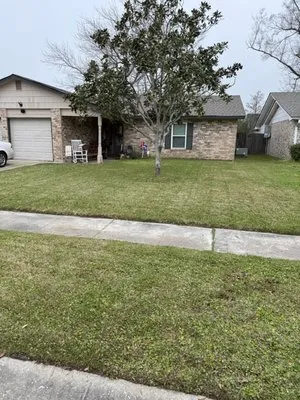
Cajun Lawncare & Exterior Services is a locally owned and operated business in Destrehan, built on a foundation of friendship and a commitment to quality. Co-founded by two best friends who believe in...
DCL Professional Lawn Care provides expert lawn care and landscaping services for homes and businesses in Destrehan, LA, and the surrounding communities. We offer a comprehensive range of services, in...
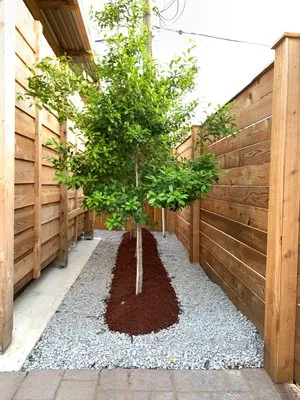
Envy Lawn Care is a locally owned and operated lawn service business in Destrehan, Louisiana, founded on a simple principle: delivering 100% effort in every project. We believe that genuine passion an...

Eden Designs is a trusted design firm in Destrehan, LA, dedicated to enhancing both the interior and exterior of your home. We specialize in comprehensive home interior design, partial room refreshes,...
Matt's Lawn Care & Pressure Washing is a trusted local service in Destrehan, LA, specializing in comprehensive lawn care and pressure washing solutions. We understand the unique challenges homeowners ...
Cypress Cuts Lawn Service provides dedicated lawn care for Destrehan, LA, helping homeowners achieve a healthier, more uniform lawn. A common challenge in our area is dealing with unsightly bare patch...
Frequently Asked Questions
After a heavy rain, parts of my yard stay soggy for days. What's the best long-term fix?
This is a direct result of our high water table and the poor infiltration rate of compacted Commerce Silt Loam. Surface solutions like regrading and installing French drains are often needed to channel water away. For any new hardscapes, specify permeable materials like crushed oyster shell or certain concrete pavers set on a gravel base. These choices increase ground absorption, reduce runoff, and can help your project meet St. Charles Parish Planning & Zoning standards for stormwater management on residential lots.
We want to regrade our 0.35-acre lot to fix drainage. What permits and contractor qualifications are needed?
Regrading that alters water flow or involves significant cut/fill typically requires a permit from St. Charles Parish Planning & Zoning. For a project of this scale, it is crucial to hire a contractor licensed by the Louisiana Horticulture Commission for landscaping or a licensed engineer for major earthmoving. This ensures the work complies with parish erosion control and drainage ordinances, protects adjacent properties, and is performed to professional standards. Unlicensed grading can lead to costly fines and corrective actions if it causes downstream flooding or violates state BMPs.
I'm tired of constant mowing and blowing. Are there lower-maintenance, attractive alternatives?
Absolutely. Transitioning areas to climate-adaptive xeriscaping with regional natives drastically reduces maintenance inputs. Plants like Oakleaf Hydrangea, American Beautyberry, and Yaupon Holly are evolved for our Zone 9b climate, requiring minimal supplemental water once established. This shift reduces fuel consumption for mowers and, critically, positions you ahead of potential future noise ordinance refinements that may further restrict gas-powered blower use during daytime hours, as the leaf litter from natives often serves as a natural mulch.
We're adding a patio. Is wood or crushed oyster shell better for longevity and safety here?
For longevity and fire resilience, crushed oyster shell is superior. While pressure-treated wood is common, it requires consistent sealing against our humidity and will eventually decay. Crushed oyster shell paths or patios offer excellent permeability, complementing our native soil's needs. From a Firewise perspective, creating defensible space is prudent given our Moderate Wildland-Urban Interface rating. Non-combustible hardscape materials like stone or shell provide a critical ember-resistant zone within the first five feet of your home, a key mitigation strategy.
Our HOA gave us a 48-hour notice for overgrowth. How quickly can you handle an emergency cleanup?
We can dispatch a crew within the same business day for urgent HOA compliance. Our standard route from the Destrehan Plantation area uses I-310 for direct access to your neighborhood, ensuring an arrival window of 20-30 minutes outside of peak traffic congestion. The crew will assess the scope, perform necessary mowing, edging, and debris removal, and provide documentation for your HOA to confirm the property is brought to code within the required timeframe.
My lawn in Destrehan Plantation Estates feels spongy and struggles to grow grass. Could the soil itself be the issue?
Yes, this is a common symptom of soil compaction in neighborhoods built around 1986. Your property is approximately 40 years old, and the underlying Commerce Silt Loam has likely settled under decades of foot traffic and maintenance. This soil type has moderate permeability, but compaction drastically reduces pore space, limiting oxygen and water infiltration to roots. A core aeration program, paired with top-dressing with compost, is essential to rebuild soil structure and enhance biological activity for healthier turf.
With no water restrictions currently, is it safe to just set my sprinklers and forget them?
No, this is a primary cause of water waste and turf disease. While Destrehan is in Stage 0, the high water table and St. Augustine grass's susceptibility to fungus demand precision. A Wi-Fi ET-based (evapotranspiration) irrigation system is not a luxury here; it's a necessity. It automatically adjusts runtime based on real-time weather data, applying only the water the grass has actually used. This prevents overwatering, conserves municipal resources, and maintains a healthier root zone by mimicking natural dry-down cycles.
I've spotted what looks like Chinese Tallow or Cogongrass. How do I deal with it without harming my yard?
These are high-priority invasive species that must be addressed with a targeted strategy. Manual removal is often insufficient for established infestations. Treatment requires precise, EPA-labeled herbicides applied by a licensed professional during the plant's active growth phase. This must be carefully scheduled to avoid the mandatory nutrient application blackout dates mandated by Louisiana's BMPs for nutrient runoff, ensuring chemicals are not washed into waterways. A management plan includes post-treatment monitoring and replanting with natives to prevent reinvasion.
