Top Landscaping Services in Alexandria, LA, 71301 | Compare & Call
There are 122 landscaping companies server in Alexandria LA
DeeDee's and ReeRee's Lawn Care is a trusted, local lawn service in Alexandria, LA, dedicated to helping homeowners maintain healthy, beautiful yards. We understand the common challenges in our area, ...
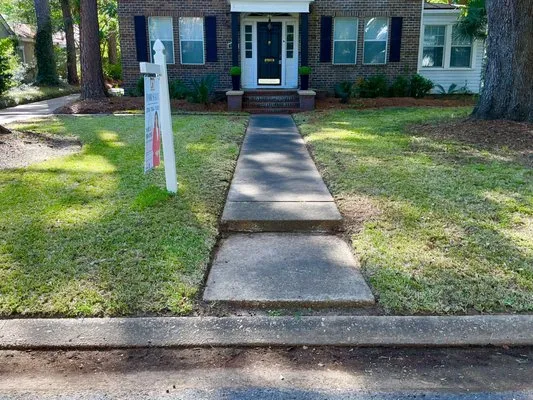
Locketts Lawn Care is a trusted local provider serving Alexandria and Rapides Parish with reliable, professional, and affordable lawn care services. Our team is dedicated to building long-term relatio...
lj & A Mowing is a trusted local lawn care provider serving Dry Prong and the surrounding areas. We understand the unique challenges homeowners here face, from storm debris that can litter your proper...
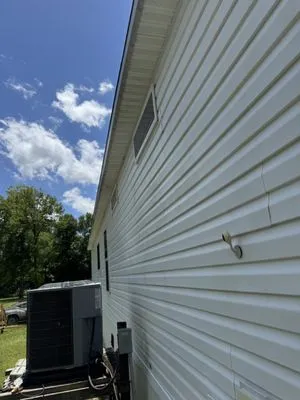
Cenla Lawncare And Power Washing is your trusted local provider for lawn and exterior cleaning services in Alexandria, LA. We specialize in comprehensive lawn care to tackle common local challenges li...
Clean Cut Solutions has been a trusted name in Central Louisiana landscaping since 2007. Based in Alexandria, this fully insured company brings a professional team of certified landscape horticulturis...
Bonnette Dirt Works is a trusted Alexandria, LA-based company specializing in landscaping and demolition services. With expertise in earthmoving and regrading, we directly address common local yard ch...
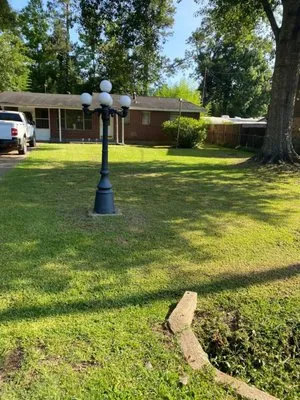
Bradley Lawn Care in Pollock, LA, provides reliable and affordable lawn maintenance for properties that need consistent care or a fresh start. We specialize in helping homeowners with lawns that have ...
Buddy's Landscaping is a trusted local landscaping company serving Alexandria, LA, and the surrounding areas. We specialize in addressing common local lawn problems like dead lawn areas and bare patch...
Rick's Lawncare provides professional lawn services for homeowners throughout Alexandria, LA. We understand the local challenges, like unsightly lawn damage from tree roots and destructive insect acti...
Waring-Braun Landscape is a trusted local landscaping company serving Alexandria and the surrounding Central Louisiana area. We understand the common challenges homeowners face, such as uneven sprinkl...
Estimated Landscaping Service Costs in Alexandria, LA
Frequently Asked Questions
What permits and licenses are needed for regrading my 0.22-acre property?
Grading work on 0.22-acre lots requires Alexandria Community Development Department permits for soil disturbance exceeding 100 square feet. Contractors must hold Louisiana Horticulture Commission licensing for earth-moving operations, ensuring proper erosion control and drainage planning. These regulations prevent downstream sedimentation and maintain neighborhood drainage patterns. Unlicensed grading risks fines and mandatory restoration, particularly important in Garden District's established landscape context with shared drainage concerns.
Are permeable pavers better than wood decking for my backyard patio?
Permeable concrete pavers offer superior longevity and fire resistance compared to wood in Alexandria's Moderate Urban-Forest Interface zones. With 30+ year lifespans versus wood's 10-15 years, pavers require no chemical treatments and maintain consistent permeability for drainage. Their non-combustible nature creates defensible space around structures, an important consideration given Alexandria's fire-wise rating. This material choice balances durability with ecological function in residential landscapes.
What's the best solution for seasonal water pooling in my yard?
Acidic alluvial silt loam in Alexandria has moderate permeability issues exacerbated by seasonal high water tables. Permeable concrete pavers installed with proper base layers create 30-40% void space for water infiltration, meeting Alexandria Community Development Department runoff standards. This system redirects surface water into the soil profile rather than contributing to neighborhood runoff, addressing both temporary pooling and long-term drainage concerns common in Garden District properties.
Can I maintain healthy St. Augustine grass under Alexandria's Stage 1 water restrictions?
Wi-Fi ET-based weather sensing irrigation systems precisely match St. Augustine or Zoysiagrass water needs to actual evapotranspiration rates. These systems automatically adjust for rainfall, humidity, and temperature, reducing water use 20-30% while maintaining turf health. During Stage 1 voluntary conservation, this technology keeps irrigation within municipal guidelines by applying water only when soil moisture sensors indicate need, preventing overwatering common with traditional timer systems.
How quickly can you respond to an HOA violation notice for overgrown vegetation?
Emergency cleanup crews dispatch from the Alexandria Museum of Art area, taking I-49 to reach Garden District properties within 20-30 minutes during peak hours. This routing optimizes response time for compliance deadlines while accounting for Alexandria's traffic patterns. Crews prioritize electric equipment to work within noise ordinance hours (9:00 PM to 7:00 AM restrictions), ensuring rapid resolution without neighborhood disturbance.
How can I reduce maintenance while supporting local ecology?
Replacing high-water turf with native plantings like American Beautyberry, Oakleaf Hydrangea, and Switchgrass creates resilient landscapes requiring minimal intervention. These species thrive in USDA Zone 9a conditions without frequent mowing or blowing, aligning with Alexandria's transition toward electric equipment mandates. Native plant communities support pollinators year-round while reducing water demand 50-70% compared to traditional lawns, creating sustainable habitats ahead of regulatory changes.
Why does my Garden District soil feel compacted and acidic after all these years?
Alexandria's Garden District lots, typically built around 1973, have 53-year-old soil profiles. Acidic alluvial silt loam (pH 5.5-6.5) naturally compacts over decades, reducing pore space for root growth and water infiltration. Core aeration every 2-3 years combined with organic amendments like composted pine bark increases soil permeability and buffers acidity. This approach addresses the legacy compaction common in neighborhoods with similar construction timelines and soil types.
What invasive species should I watch for in my Garden District landscape?
Chinese privet and Japanese climbing fern present significant invasion risks in Alexandria's acidic soils. Treatment requires targeted herbicide applications during dry periods, carefully avoiding State BMP guideline blackout dates before forecasted heavy rain. Manual removal combined with pre-emergent strategies prevents soil disturbance that exacerbates invasive spread. Regular monitoring catches new infestations early when control is most effective and least disruptive to established native plantings.
