Top Landscaping Services in Abita Springs, LA, 70420 | Compare & Call

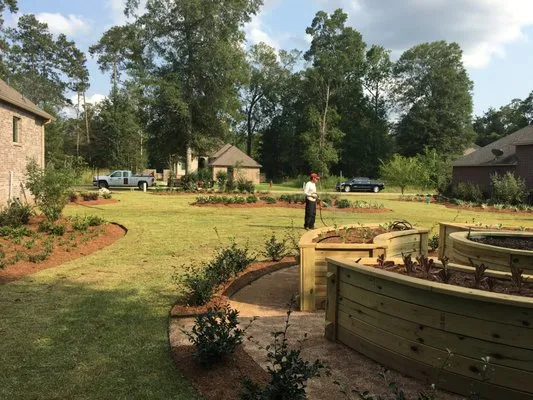
The Quaglino Landscape Company
The Quaglino Landscape Company in Abita Springs, LA, is a licensed and fully insured provider specializing in comprehensive landscaping solutions. Founded by Angelo, who brings a unique background fro...

Since 2000, JJ's Tree Removal has been a trusted, owner-operated business serving St. Tammany Parish from its home base in Abita Springs. Founded by Jason, the company is built on hands-on expertise a...
M & R Tree Removal began with a passion ignited in childhood, trimming and cutting trees. After 20 years of hands-on experience, owner and licensed Arborist Matthew has built a reputation as the exper...
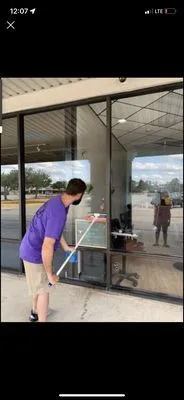
Tony And Tammys cleaning service
Tony And Tammys Cleaning Service is a trusted, locally-owned company serving the Abita Springs community. We specialize in comprehensive exterior maintenance, including lawn care and pressure washing,...
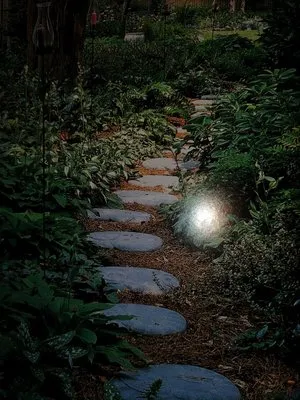
Attention to Detail in Abita Springs is a landscaping company built on a foundation of deep horticultural expertise and a commitment to quality craftsmanship. With over 15 years of experience, a diplo...
C&C Lawn Care is a trusted lawn service provider based in Abita Springs, LA, dedicated to helping homeowners maintain healthy, vibrant lawns. We specialize in comprehensive lawn care solutions, includ...

Magnolia Mulching and Property Development
Magnolia Mulching and Property Development is a trusted local landscaping and excavation company serving Abita Springs, LA. We specialize in excavation and trench digging services to help homeowners a...
413 Logistics is your trusted local partner in Abita Springs, LA, specializing in comprehensive landscaping and land surveying solutions. We understand the unique challenges of our local environment, ...

ArtisTree Landscape Maintenance is a full-service landscaping company proudly serving the Abita Springs, LA community. We understand the specific challenges local homeowners face, from sudden irrigati...
Bright Cleaning Service in Abita Springs, LA, is a trusted local provider specializing in home cleaning, pressure washing, and lawn services. We understand the unique challenges faced by homeowners in...
Q&A
Can I maintain St. Augustine grass during Abita Springs' dry periods?
Stage 0 water restrictions permit irrigation but encourage conservation through smart technology. Wi-Fi ET-based controllers calculate daily evapotranspiration rates using local weather station data, applying only the precise moisture needed for turf health. These systems automatically skip cycles during rainfall and reduce runtime by 15-25% during humidity spikes. For shaded areas with Centipede grass, separate irrigation zones with lower precipitation rates prevent overwatering while maintaining acceptable soil moisture at 4-6 inch depths.
Which patio material lasts longest in our climate?
Crushed limestone and permeable concrete pavers outperform wood in Abita Springs' humid subtropical environment. These inorganic materials resist termite damage, fungal decay, and moisture expansion that plague timber structures within 5-7 years. For properties with Moderate Fire Wise ratings, maintain 30 feet of defensible space using non-combustible hardscapes around structures. Limestone's light coloration reflects heat while its permeability reduces runoff velocity during storm events, addressing both fire safety and drainage concerns simultaneously.
What solutions exist for seasonal flooding in my yard?
Abita Springs' high water table and acidic fine sandy loam create temporary inundation during heavy rains. Install French drains with clean washed gravel wrapped in non-woven geotextile fabric to facilitate subsurface movement. Surface solutions include permeable concrete pavers or crushed limestone pathways that allow 4-8 inches per hour infiltration rates. These materials meet Planning and Zoning Department runoff standards while directing water away from foundations toward designated drainage corridors on your 0.35-acre property.
Should I reduce lawn area for lower maintenance costs?
Replacing high-input turf with native plantings creates ecological and practical advantages. Southern Magnolia, Oakleaf Hydrangea, and Beautyberry establish deep root systems that access subsurface moisture, reducing irrigation needs by 60-80%. Swamp Sunflower and Purple Coneflower provide pollinator habitat while requiring only annual cutting back. This transition anticipates potential gas-powered equipment restrictions under noise ordinances, as native beds need minimal maintenance beyond seasonal pruning with electric hand tools.
What permits and licenses are required for landscape grading?
The Abita Springs Planning and Zoning Department requires erosion control permits for any grading exceeding 50 cubic yards of soil movement on 0.35-acre lots. Contractors must hold Louisiana Horticulture Commission licensing for earthwork affecting drainage patterns or tree root zones. This ensures proper implementation of silt fencing, straw wattles, and temporary seeding to prevent sediment runoff into municipal systems. Unlicensed grading risks fines up to $500 per day and mandatory restoration of disturbed areas to original contours.
How quickly can you respond to storm damage for HOA compliance?
Emergency cleanup crews dispatch from the Abita Springs Trailhead staging area within 30 minutes of notification. The route follows LA-59 directly into the Historic District, avoiding residential congestion during peak response windows. Our 20-30 minute travel time accounts for debris clearance on secondary roads after severe weather events. We prioritize safety assessments before beginning systematic removal of downed limbs and hazardous vegetation to restore property access and meet covenant requirements.
Why does my Abita Springs Historic District lawn struggle despite regular care?
Properties in this neighborhood average 32 years of soil development since 1994 construction. Acidic fine sandy loam with pH 5.5-6.0 has likely become compacted from decades of foot traffic and equipment use. This soil type requires annual core aeration to improve oxygen penetration and water infiltration. Incorporate 0.5 inches of composted pine bark fines each spring to buffer acidity while building organic matter above 3%. These amendments address the fundamental soil structure limitations common in older Abita Springs lots.
How do I control invasive plants without harming waterways?
Chinese privet and Japanese climbing fern present the highest invasion risks in Abita Springs. Apply glyphosate-based herbicides during dry periods in early spring before native plants break dormancy. Avoid phosphorus-containing products near drainage swales to comply with statewide waterway protection ordinances. For mechanical control, cut woody invasives at the base and immediately treat stumps with triclopyr to prevent resprouting. Always coordinate treatments around the March mulching peak when soil temperatures support rapid decomposition of removed vegetation.
