Top Landscaping Services in Whitesburg, KY, 41858 | Compare & Call

There are 9 landscaping companies server in Whitesburg KY
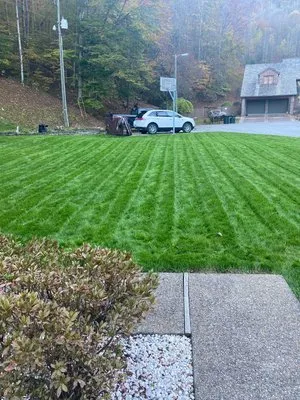
Precision Lawn Care & Landscapes
Precision Lawn Care & Landscapes, LLC is a trusted landscaping company serving Hindman, KY, and surrounding areas like Hazard, Prestonsburg, and Pikeville. With years of combined experience, our team ...

Sizemore Landscaping & Tree Removal is a Hazard-based company specializing in comprehensive landscaping and tree services for Eastern Kentucky homes and businesses. We address common local issues like...

S&R Tree Trimming is a Hazard, KY-based tree service and landscaping company owned and operated by Steven, who brings 13 years of professional experience in the tree industry, including 10 years as a ...

Appalachian Lawn Care is a trusted, locally-owned landscaping and snow removal company serving Whitesburg, KY, and the surrounding Letcher County area. We understand the unique challenges homeowners f...

Ez Cutz is your trusted local partner in Redfox, KY, offering comprehensive lawn services, junk removal, and gutter maintenance to keep your property clean and well-maintained. We specialize in addres...
Shasta And Floyds Landscaping is a trusted local landscaping company serving Isom, KY, and surrounding areas. We specialize in addressing common local landscaping challenges, such as poor lawn grading...
Jones Landscaping and Welding Services is a trusted, locally-owned business in Eolia, KY, uniquely combining landscaping expertise with metal fabrication skills. We specialize in creating durable, cus...
MJA Lawn & Care is your local, trusted lawn service provider in Eolia, KY. We specialize in comprehensive lawn care solutions tailored to the specific needs of our community. Many homes in the area st...
Barmac is a trusted landscaping company serving Millstone, KY, dedicated to solving common local yard problems. Many homes in our area struggle with lawn insect damage and persistent mulch bed weeds, ...
Estimated Landscaping Service Costs in Whitesburg, KY
Questions and Answers
Is Appalachian sandstone better than wood for patios?
Appalachian sandstone offers superior longevity with 50+ year service life compared to wood's 15-25 year expectancy in Zone 6b conditions. Its non-combustible nature supports Moderate Fire Wise ratings by creating defensible space around structures. Proper installation with geotextile underlayment prevents weed penetration while allowing drainage. The material's thermal mass moderates temperature extremes, reducing heat island effect compared to synthetic alternatives common in urban interfaces.
How quickly can you respond to storm damage for HOA compliance?
Emergency cleanup crews dispatch from the Harry M. Caudill Library area, taking US-119 to reach Downtown Whitesburg properties within 15-25 minutes during peak response windows. This routing prioritizes accessibility while accounting for potential flash flooding delays. Electric maintenance equipment operates within standard noise limits, allowing extended work hours when necessary. Debris removal and temporary stabilization typically complete within 4-6 hours of arrival for 0.25-acre lots.
How do I maintain Kentucky Bluegrass without wasting water?
Smart Wi-Fi soil moisture sensor controllers optimize irrigation by measuring actual ET rates rather than following fixed schedules. These systems reduce water use 30-40% while maintaining turf health during normal operations periods. Programming should account for acidic silt loam's water retention characteristics and Kentucky Bluegrass's 1-1.5 inch weekly needs. Regular calibration ensures sensors provide accurate readings for the specific soil conditions present in Whitesburg's Zone 6b climate.
What permits and licenses does grading work require?
Grading that alters drainage patterns on 0.25-acre lots requires approval from the Whitesburg City Clerk and Planning Office, with engineered plans for slopes exceeding 3:1 ratios. Contractors must hold Kentucky Department of Agriculture Landscape Architect Board certification for projects involving structural changes. Soil disturbance exceeding 100 cubic yards triggers additional erosion control permitting. These requirements ensure compliance with state BMP guidelines while protecting adjacent properties from runoff impacts.
What solutions prevent flash flooding on my property?
Moderate runoff potential in acidic silt loam requires graded swales directing water away from foundations toward permeable areas. Appalachian sandstone installed with 1/4-inch joints creates semi-permeable surfaces that meet Whitesburg City Clerk and Planning Office runoff standards. French drains with washed gravel backfill improve subsurface drainage where surface grading proves insufficient. These systems collectively reduce erosion while managing the 2-3 inch per hour rainfall events common in this region.
Should I replace some turf with native plants?
Transitioning high-maintenance turf areas to Eastern Redbud, Purple Coneflower, and Switchgrass reduces mowing frequency from weekly to seasonal while providing habitat. Native plantings require 75% less water than Kentucky Bluegrass once established, conserving municipal resources. This approach anticipates potential gas-blower restrictions under evolving noise ordinances. The resulting landscape supports local pollinators while maintaining aesthetic value through layered planting design principles.
How do I control invasive species safely?
Japanese knotweed and multiflora rose present significant risks in Whitesburg, requiring mechanical removal before seed set in early summer. Herbicide applications must follow Kentucky BMP guidelines, avoiding frozen ground periods and using targeted spot treatments. Manual extraction with root removal proves most effective for smaller infestations on 0.25-acre properties. Regular monitoring prevents reestablishment while protecting native Purple Coneflower and Wild Bergamot populations from competition.
Why does my soil seem compacted and acidic in Downtown Whitesburg?
Properties built around 1965 have soil that has matured for approximately 61 years, developing acidic silt loam with pH 5.5-6.2 typical of this region. This soil profile often exhibits reduced permeability due to decades of foot traffic and minimal organic matter replenishment. Core aeration combined with compost amendments at 0.25 cubic yards per 1000 square feet improves soil structure and microbial activity. Regular soil testing every 3-5 years helps maintain optimal pH for nutrient availability in USDA Zone 6b conditions.
