Top Landscaping Services in Vanceburg, KY, 41179 | Compare & Call

There are 35 landscaping companies server in Vanceburg KY
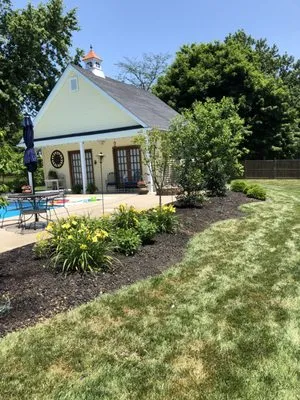
Woodlawn Landscape & Design
Woodlawn Landscape & Design is a Lexington-Fayette lawn care and property services provider dedicated to helping homeowners achieve and maintain beautiful, functional outdoor spaces. We specialize in ...
Two-Toned Landscaping is a Falmouth-based landscaping company founded in 2024 with a mission to serve the local community. Owner-driven and dedicated to quality, we specialize in comprehensive landsca...

For over a decade, All Around Lawn and Landscape has been a trusted local provider for homeowners and businesses in Brooksville and surrounding communities. We built our reputation on reliable, straig...
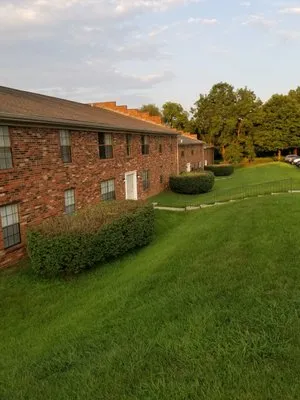
Serving Winchester, KY, Doyle's Lawn & Landscaping is your trusted local partner for comprehensive outdoor care. We understand the common challenges homeowners face, such as landscape edging damage fr...
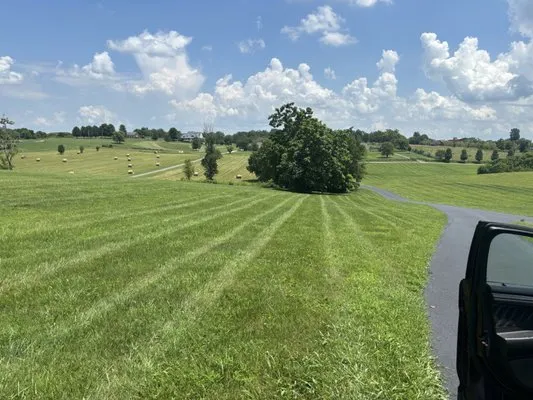
Proper Stripes Lawn Service is a locally owned and operated landscaping business serving Winchester, KY, and all surrounding counties. Founded on a commitment to quality work at affordable prices, the...
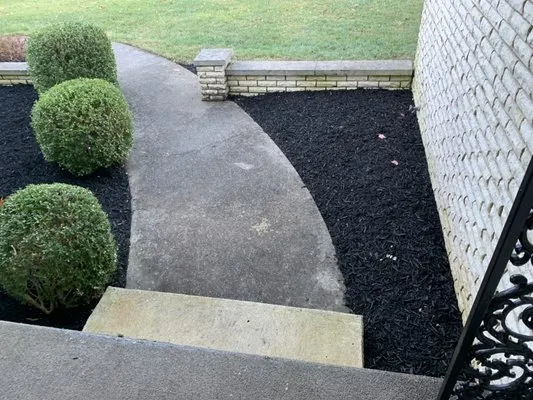
Fryman's Landscaping is a Cynthiana-based company providing comprehensive outdoor solutions including landscaping, tree services, and junk removal. We specialize in transforming local properties throu...
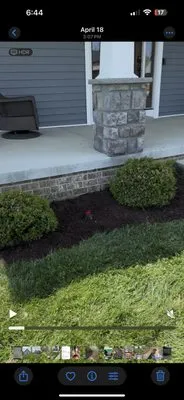
McMulch in Winchester, KY is a local landscaping company specializing in comprehensive landscape design and lawn care services. We focus on transforming outdoor spaces with practical solutions tailore...
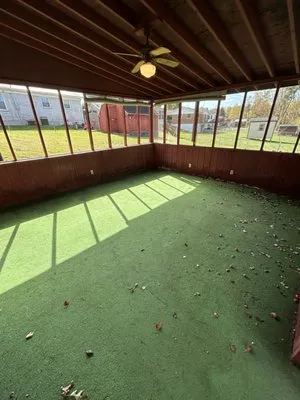
Evergreen Landscaping is a full-service landscaping company serving Grayson, KY and surrounding areas. We specialize in comprehensive solutions including landscaping design and installation, tree care...
Prichard Lawncare is a locally owned and operated lawn service provider dedicated to maintaining Ashland's yards and landscapes. Founded on the principle of reliable, quality work, we specialize in co...
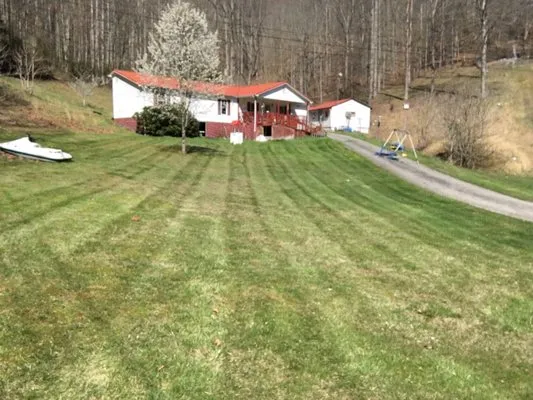
Affordable Lawn Care in Louisa, KY, is your trusted local partner for maintaining beautiful, healthy outdoor spaces. We specialize in lawn care, gutter cleaning, and pressure washing services tailored...
Estimated Landscaping Service Costs in Vanceburg, KY
Frequently Asked Questions
What's the best solution for moderate runoff problems in my clay-heavy yard?
Clay-heavy silt loam soils in Vanceburg require French drains combined with permeable Kentucky Sandstone hardscaping to manage moderate runoff. The sandstone's natural porosity allows 2-3 inches per hour infiltration rates, meeting Lewis County Planning Commission runoff standards. Strategic grading directs water toward these permeable surfaces rather than creating standing water that exacerbates subsoil compaction issues.
How quickly can you respond to emergency storm damage cleanup for HOA compliance?
Emergency crews dispatch from the Lewis County Courthouse area via KY-8, reaching most Vanceburg Historic District properties within 20-30 minutes during peak response windows. We coordinate with HOAs on debris removal priorities while operating within standard noise abatement hours of 7:00 AM to 9:00 PM. Our electric maintenance fleet minimizes noise impact during extended cleanup operations.
Is Kentucky Sandstone or wood better for long-lasting patio construction?
Kentucky Sandstone provides superior longevity with 50+ year lifespans versus wood's 15-25 year maximum. The sandstone's thermal mass moderates temperature extremes while its non-combustible nature supports Moderate Firewise USA Community Standards for defensible space. Properly installed sandstone patios require minimal maintenance and integrate naturally with the region's geological character.
What permits and licenses are required for regrading my 0.25-acre property?
Grading projects exceeding 100 cubic yards of soil movement require Vanceburg City Clerk approval and Lewis County Planning Commission review for erosion control. Contractors must hold active Kentucky Department of Agriculture Nursery/Landscape Licenses for earthwork exceeding 0.1 acres. These regulations ensure proper drainage patterns and prevent downstream sedimentation in the Ohio River watershed.
How should I handle invasive species without harming my established plants?
Targeted manual removal of invasive species like Japanese stiltgrass precedes selective herbicide applications during active growth periods. This approach avoids State BMP guideline violations by never applying treatments to frozen ground. We schedule treatments outside local fertilizer ordinance blackout dates while preserving beneficial mycorrhizae networks in your silt loam soil that support native plant health.
How do I keep my Kentucky Bluegrass healthy during dry spells without violating water restrictions?
Smart Wi-Fi ET-based weather sensing irrigation systems calculate evapotranspiration rates to deliver precise water amounts matching plant needs. This technology maintains turf health while reducing water use by 30-40% compared to traditional timers. During Stage 0 restrictions, these systems provide documentation of water conservation compliance while preserving soil moisture for Kentucky Bluegrass and Tall Fescue root zones.
What are my options for reducing lawn maintenance while supporting local ecology?
Transitioning high-maintenance turf to native plantings like Eastern Redbud, Purple Coneflower, and Switchgrass reduces mowing frequency from weekly to seasonal. These deep-rooted natives require 75% less water while providing habitat for pollinators. This approach aligns with evolving noise ordinances by minimizing gas-powered equipment use and supports Firewise USA Community Standards through reduced fuel loads.
Why does my Vanceburg Historic District yard have such compacted soil that struggles to drain?
Vanceburg homes average 49 years since construction in 1977, creating mature but degraded silt loam soil. Decades of foot traffic and equipment weight have compressed the clay-heavy subsoil, reducing permeability to 0.5 inches per hour. Core aeration with organic compost amendments addresses this compaction by creating channels for water and air movement while maintaining the optimal pH 6.2-6.8 range for most landscape plants.
