Top Landscaping Services in Louisa, KY, 41230 | Compare & Call

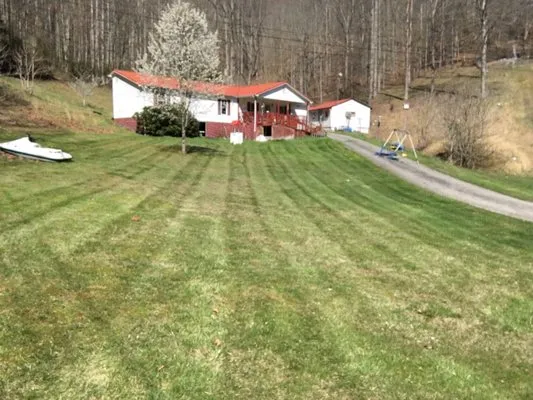
Affordable Lawn Care in Louisa, KY, is your trusted local partner for maintaining beautiful, healthy outdoor spaces. We specialize in lawn care, gutter cleaning, and pressure washing services tailored...
Yaunks Elite Lawncare and Tree Services
Yaunks Elite Lawncare and Tree Services is a trusted, full-service provider serving Louisa, KY, and surrounding areas. We specialize in comprehensive lawn care and tree services, including disease and...
Martin Mowing is a locally owned and operated lawn care service in Louisa, KY, with over 10 years of experience helping residents maintain beautiful, healthy yards. We specialize in reliable mowing an...

Tall Guy Lawn Care is Louisa, KY's trusted provider for reliable lawn services. We understand the local challenges homeowners face, like standing water that drowns grass and damages landscape edging. ...

Elite Lawn Care & Landscaping is a trusted local provider in Louisa, KY, specializing in comprehensive lawn and tree services. We understand the common challenges Louisa homeowners face, such as patch...
Q&A
Are Kentucky sandstone patios better than wood decks for longevity and fire safety?
Kentucky sandstone offers superior durability with minimal maintenance compared to wood decks that require regular sealing and eventual replacement. In moderate Wildland-Urban Interface zones, non-combustible stone materials contribute to defensible space requirements by eliminating flammable structural elements. Sandstone's thermal mass also moderates temperature extremes, benefiting adjacent plantings. Properly installed with permeable bases, these hardscapes withstand freeze-thaw cycles common in USDA Zone 6b while supporting drainage management.
Why does regrading my 0.25-acre lot require specific professional licensing?
The Kentucky Board of Landscape Architects licenses professionals for grading work that alters water flow patterns or involves significant earth moving. On 0.25-acre lots, even minor elevation changes can redirect runoff toward neighboring properties, potentially violating Louisa City Planning & Zoning Commission regulations. Licensed designers ensure proper slope calculations, erosion control measures, and compliance with state BMP guidelines. This prevents costly remediation and legal issues while protecting soil structure and drainage integrity.
What invasive species should I watch for, and how do I treat them without violating fertilizer ordinances?
Japanese stiltgrass and autumn olive present significant invasive risks in Lawrence County, outcompeting native species and altering soil chemistry. Manual removal before seed set combined with targeted organic herbicides avoids state BMP guideline violations regarding frozen ground applications. Treatment timing should align with active growth periods in late spring through early fall. Proper disposal prevents reinfestation while supporting recovery of native black-eyed Susan and switchgrass communities.
How can I reduce maintenance while preparing for upcoming noise ordinance changes affecting gas equipment?
Transitioning high-maintenance turf areas to native plantings like Eastern redbud, flowering dogwood, and purple coneflower significantly reduces mowing and blowing requirements. These species thrive in USDA Zone 6b with minimal irrigation once established, supporting 2026 biodiversity standards. Electric maintenance equipment operates quietly within current municipal quiet hours while future-proofing against potential gas-blower restrictions. This approach creates resilient landscapes that require less frequent intervention.
What solutions address moderate runoff problems in my yard with clay-heavy subsoil?
Clay-heavy subsoil compaction in acidic silt loam creates permeability issues leading to surface runoff. Installing permeable Kentucky sandstone or concrete paver systems allows water infiltration while meeting Louisa City Planning & Zoning Commission runoff standards. French drains connected to rain gardens planted with native switchgrass provide additional capacity. These approaches mitigate erosion and prevent water pooling that damages turfgrass and hardscape foundations.
How quickly can you respond to an emergency tree cleanup after a storm to meet HOA compliance deadlines?
Emergency cleanup crews dispatch from the Lawrence County Courthouse area via US-23, arriving within 20-30 minutes during peak conditions. This routing avoids downtown congestion while providing access to Downtown Louisa properties. Electric maintenance fleets operate within municipal quiet hours (7 AM-9 PM), ensuring compliance while executing rapid debris removal. Storm response prioritizes safety hazards first, followed by restoration of accessible areas.
Can I maintain Kentucky-31 Tall Fescue turf with Louisa's water conservation standards?
Smart Wi-Fi soil moisture sensor controllers optimize irrigation by tracking evapotranspiration rates and soil percolation data. These systems apply water only when turfgrass root zones drop below optimal moisture levels, typically reducing usage by 30-50% compared to traditional timers. Despite no formal restrictions, this technology preserves turf health while staying within municipal conservation guidelines. Properly calibrated sensors prevent overwatering that exacerbates clay-heavy subsoil compaction common in acidic silt loam.
Why does my Downtown Louisa yard have such compacted, acidic soil that struggles to grow healthy grass?
Properties built around 1984, like many in Downtown Louisa, have soil that has matured for approximately 42 years. Acidic silt loam with pH 5.5-6.5 naturally develops clay-heavy subsoil compaction over decades, reducing permeability and root penetration. Core aeration combined with organic amendments like composted leaf mold can improve soil structure and neutralize acidity. This addresses the common issue where older lots exhibit poor drainage and nutrient availability despite regular maintenance.
