Top Landscaping Services in Lawrenceburg, KY, 40342 | Compare & Call


Carbajal's Garden Center
Carbajal's Garden Center is Lawrenceburg's full-service destination for landscaping and garden care. We help homeowners and businesses transform their outdoor spaces, from initial design to long-term ...
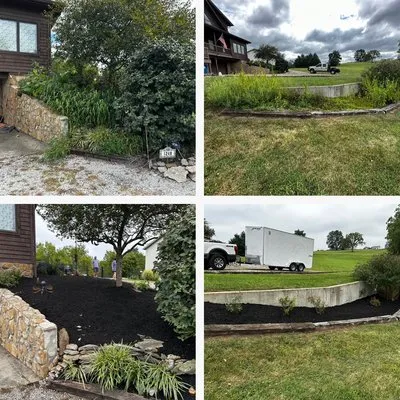
Beyond the Pines Lawn Maintenance is your Lawrenceburg, KY neighbor for reliable lawn and property care. We specialize in resolving common local issues like standing water that can drown grass and pro...

Gray Line Farms is a Lawrenceburg-based general contracting and landscaping company serving Anderson County and surrounding areas. We specialize in excavation, land clearing, grading, and landscape co...

County Line Lawn Care is your trusted, local lawn and tree care provider serving Lawrenceburg, KY, and surrounding Anderson County. We specialize in comprehensive lawn maintenance, expert tree service...

Elite Contracting is a full-service contracting company serving Lawrenceburg, KY, specializing in tree services, landscaping, and general contracting. We help local homeowners transform their outdoor ...
M&S Lawn and Landscaping is a trusted Lawrenceburg, KY lawn care provider specializing in comprehensive lawn services to keep your property healthy and vibrant year-round. We understand the common loc...

Peaceful Hollow Tree and Lawncare is your trusted, local partner for a healthier, more resilient landscape in Lawrenceburg, KY. We understand that many area homes face common challenges like standing ...

Lawn-Pros is a trusted lawn service provider in Lawrenceburg, KY, specializing in comprehensive lawn care solutions for local homeowners. Many homes in the area face common landscaping challenges like...

Turf Tamer Lawn Service is a locally owned and operated landscaping company serving Lawrenceburg and the surrounding Anderson County area. With over nine years of dedicated experience, we focus on bui...
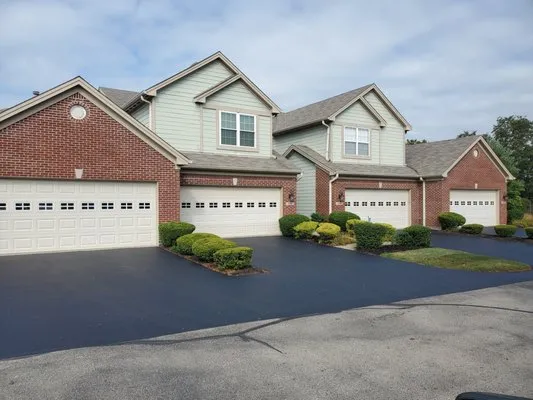
Wolverton Sealcoating is your Lawrenceburg, KY partner for durable, low-maintenance outdoor living spaces. We understand that local homes often face landscaping challenges like sprinkler coverage gaps...
Questions and Answers
What permits are needed for landscape grading on my property?
Grading a 0.35-acre lot requires Anderson County Planning and Zoning approval for any cut/fill exceeding 50 cubic yards. The Kentucky Department of Agriculture Landscape Architect Board mandates licensed professionals for designs altering water flow patterns or adding retaining walls over 4 feet. These regulations prevent sedimentation in stormwater systems and ensure structural integrity. Unpermitted grading risks fines up to $5,000 and mandatory restoration orders.
Is Kentucky Limestone better than wood for patio construction?
Kentucky Limestone offers 50+ year durability compared to wood's 15-20 year lifespan in our climate. This natural stone provides non-combustible defensible space crucial for Moderate Firewise USA Program ratings. Limestone's thermal mass moderates temperature extremes, reducing heat island effect in urban lots. Properly installed with permeable joints, it meets erosion control requirements while requiring minimal maintenance beyond occasional power washing.
Why does my Lawrenceburg lawn struggle despite regular care?
Downtown Lawrenceburg properties built around 1990 have 36-year-old soil profiles. Maury Silt Loam with pH 6.1-6.5 develops compaction layers from decades of foot traffic and equipment weight. This soil type loses permeability over time, restricting root penetration for Kentucky-31 Tall Fescue. Annual core aeration with compost amendments rebuilds soil structure by increasing organic matter content to 5-6%.
How do I control invasive plants without harming the Kentucky River?
Japanese stiltgrass and garlic mustard pose significant invasion risks in Anderson County. Manual removal before seed set in early spring prevents spread without chemical intervention. For persistent infestations, spot-treat with glyphosate formulations labeled for aquatic buffers, applying during State BMPs-approved windows. These methods avoid runoff into the Kentucky River basin while maintaining soil pH balance for native species regeneration.
How quickly can you respond to storm damage for HOA compliance?
Emergency cleanup crews dispatch from the Anderson County Courthouse area within 20 minutes during peak conditions. They take US-127 to access Downtown Lawrenceburg neighborhoods, prioritizing fallen limbs blocking driveways or hazardous debris. This route maintains the 7:00 AM - 9:00 PM noise ordinance window while addressing immediate safety concerns. Equipment includes electric chippers that operate within decibel limits for residential areas.
What are alternatives to weekly mowing in Lawrenceburg?
Transitioning to Purple Coneflower, Butterfly Milkweed, Wild Bergamot, and Little Bluestem reduces maintenance frequency to seasonal pruning. These native species thrive in USDA Zone 7a without supplemental irrigation after establishment. This approach eliminates gas-powered mower emissions ahead of tightening noise ordinance enforcement. Mature native plantings require only annual cutting back, supporting 2026 biodiversity standards for pollinator corridors.
Why does my yard flood every spring?
Seasonal saturation occurs in Maury Silt Loam due to high clay content reducing percolation rates to 0.5 inches per hour. This soil type retains excess moisture from winter precipitation, creating temporary ponding in low-lying areas. Installing permeable Kentucky Limestone pathways allows 4-6 inches of water infiltration per hour. These hardscape solutions meet Anderson County Planning and Zoning runoff standards while directing water away from foundation walls.
Should I water my lawn during voluntary conservation periods?
Wi-Fi ET-based weather sensing irrigation automatically adjusts to Lawrenceburg's Normal water restriction status. These systems calculate evapotranspiration rates using local weather data, applying precisely 0.8-1.2 inches weekly to Kentucky-31 Tall Fescue. This technology reduces municipal water use by 30-40% compared to timer-based systems. Soil moisture sensors prevent irrigation during rainfall events, maintaining turf health within conservation guidelines.
