Top Landscaping Services in Hazard, KY, 41701 | Compare & Call

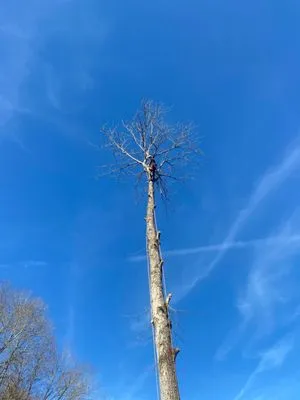
Sizemore Landscaping & Tree Removal is a Hazard-based company specializing in comprehensive landscaping and tree services for Eastern Kentucky homes and businesses. We address common local issues like...

S&R Tree Trimming is a Hazard, KY-based tree service and landscaping company owned and operated by Steven, who brings 13 years of professional experience in the tree industry, including 10 years as a ...
Walker's Yard Works is a trusted Hazard, KY-based provider of comprehensive tree services, lawn care, and handyman solutions. Serving the local community, we specialize in addressing common regional l...

Wildcat Fencing & Lawncare in Hazard, KY, is a locally owned and operated business that has grown from its roots in fencing, pressure washing, and lawn care to now include comprehensive handyman servi...

Josh Handy Work and Landscaping is your trusted Hazard, KY, partner for tackling the region's common landscape challenges. We specialize in resolving issues like tree root lawn damage and landscape ed...
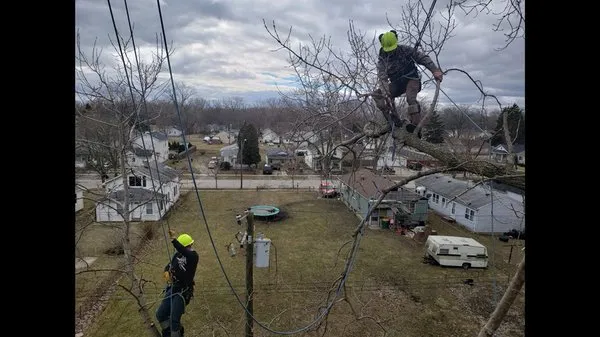
S & R Tree Trimming in Hazard, KY, is a dedicated tree service contractor with over a decade of experience, founded in 2010. The business specializes in tree removal, trimming, and comprehensive lands...
Halls Handyman is your trusted local expert in Hazard, KY, dedicated to solving the common property maintenance challenges homeowners face. We understand that issues like irrigation timer failures and...
Q&A
What irrigation system works best with Hazard's water conservation standards?
Smart soil-moisture sensor controllers optimize Tall Fescue health while adhering to municipal water limits. These devices use ET-based irrigation to deliver precise watering only when needed, preventing runoff on steep topography. This technology reduces water use by 20-30% compared to traditional timers, maintaining turf quality without violating conservation guidelines.
Is Appalachian sandstone better than wood for patio materials?
Appalachian sandstone offers superior longevity with minimal maintenance compared to wood, which requires regular sealing in USDA Zone 6b. Its non-combustible nature supports Moderate Fire Wise ratings in Appalachian WUI zones by creating defensible space. Properly installed sandstone retains permeability for drainage while withstanding freeze-thaw cycles common in Hazard winters.
How quickly can you respond to storm damage for HOA compliance?
Emergency cleanup crews dispatch from the Perry County Courthouse area, taking KY-15 to reach Downtown Hazard within 20-30 minutes during peak conditions. This routing prioritizes access to properties with downed limbs or erosion issues, ensuring timely debris removal to meet neighborhood standards. Coordination with local authorities streamlines response for urgent landscape restoration needs.
Should I replace some lawn with native plants to reduce maintenance?
Transitioning high-maintenance turf to Purple Coneflower, Wild Bergamot, and Switchgrass creates a climate-adaptive xeriscape that requires 75% less water. This approach aligns with evolving noise ordinance trends reducing gas-powered equipment use, while supporting 2026 biodiversity standards. Native plantings also enhance soil health through deeper root systems and natural pest resistance.
Why does my soil seem compacted and acidic even with regular care?
Hazard properties built around 1971 have soil that has matured for approximately 55 years, developing acidic silty loam with pH 5.5-6.5. Downtown Hazard lots typically experience compaction from decades of foot traffic and minimal organic input, reducing permeability. Core aeration combined with compost amendments improves soil structure and neutralizes acidity, supporting healthier root systems for Eastern Redbud and other natives.
What invasive species should I watch for in my Hazard landscape?
Japanese knotweed and tree-of-heaven pose significant risks in this region, outcompeting natives like Flowering Dogwood. Treatment involves targeted herbicide applications during active growth phases, carefully timed outside any state BMP blackout dates. Manual removal combined with mycorrhizae inoculation helps restore ecological balance without violating local fertilizer ordinances.
How can I reduce runoff on my sloped property?
High runoff potential in Hazard's acidic silty loam requires permeable solutions like Appalachian sandstone pavers installed with gravel bases. This design increases infiltration rates by 40-50%, meeting Hazard City Planning & Zoning runoff standards. Integrating French drains or bioswales with native Switchgrass further manages water flow, preventing erosion and soil loss during heavy rains.
What permits and licenses are needed for grading my 0.25-acre lot?
Grading work exceeding minor soil disturbance requires permits from Hazard City Planning & Zoning to address erosion control and runoff management. The Kentucky Board of Landscape Architects mandates licensed professionals for projects altering topography, ensuring compliance with state BMPs. This licensing verifies expertise in soil stability and drainage solutions for Hazard's steep terrain.
