Top Landscaping Services in Flatwoods, KY, 41139 | Compare & Call

Tri State Enterprise
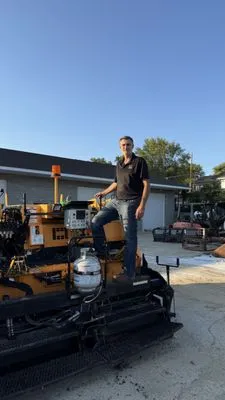
Tri State Enterprise is a Flatwoods-based, locally owned and operated home services company that has been serving the Tri-State area since 1992. Founded as Tri State Lawn Care by Mike Wheeler, the com...

Copley Lawn Care & Tree Removal is a trusted, locally owned provider in Flatwoods, KY, specializing in comprehensive lawn and tree services. We understand that many area homes struggle with landscapin...
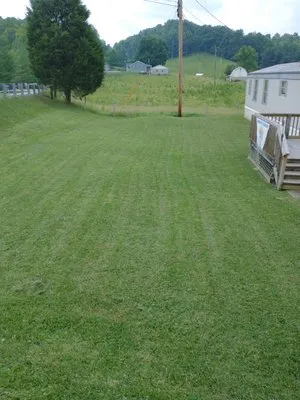
Kevin & Deven is a trusted lawn care service based in Flatwoods, KY, dedicated to helping homeowners maintain healthy, attractive outdoor spaces. Many homes in the area face common landscaping challen...
C & D Grass Masters is your trusted local lawn care partner in Flatwoods, KY. We understand the specific challenges homeowners here face, like uneven sprinkler coverage leading to dry patches and poor...
Q&A
Are concrete pavers or local sandstone better than wood for durable, fire-resistant landscaping?
Concrete pavers and local sandstone offer superior longevity and fire resistance compared to wood decking in Flatwoods' moderate Firewise USA rating zones. These non-combustible materials maintain structural integrity for decades with minimal maintenance, while wood requires regular sealing and replacement. For defensible space creation, stone hardscapes provide 30+ feet of fire-resistant zoning around structures. The thermal mass of sandstone and concrete also moderates microclimate temperatures. Material selection should balance aesthetic integration with fire safety priorities in this region.
What native plant options reduce maintenance while supporting local ecology in Flatwoods?
Transitioning from high-maintenance turf to native species like Eastern Redbud, Purple Coneflower, Switchgrass, Black-eyed Susan, and Butterfly Milkweed creates resilient landscapes requiring minimal inputs. These plants have evolved for Kentucky's Zone 6b climate and acidic soils, needing less water and no chemical fertilizers once established. Native plantings support pollinators and local biodiversity while eliminating gas-powered blower use ahead of tightening noise ordinances. This approach aligns with 2026 sustainability standards by reducing carbon emissions and creating habitat corridors.
How should I manage invasive species without violating fertilizer application guidelines?
Common invasive alerts in Flatwoods include Japanese knotweed and garlic mustard, which outcompete native vegetation. Manual removal during dry periods before seed set proves most effective, followed by targeted organic herbicides if necessary. Kentucky's BMP guidelines prohibit fertilizer application before heavy rainfall to prevent runoff contamination. Schedule soil amendments for stable weather windows, using slow-release organic products that won't leach during storms. This integrated approach manages invasives while protecting watershed health through proper timing and product selection.
What solutions work best for moderate runoff issues in Flatwoods' clay-heavy soil?
Acidic silty clay loam soils in Flatwoods have naturally low permeability, creating runoff challenges during heavy rainfall. Installing permeable concrete pavers or local sandstone with gravel bases creates infiltration zones that meet city runoff standards. French drains with clean gravel and filter fabric redirect subsurface water away from foundations. The Flatwoods City Clerk and Zoning Office requires drainage plans for significant hardscape installations to prevent neighborhood flooding. These systems work with the soil's characteristics rather than against them.
How quickly can you respond to an emergency tree cleanup after a storm in Flatwoods?
Our electric maintenance fleet can dispatch from Flatwoods City Park via US-23 within 20-30 minutes during peak response times, complying with standard noise ordinances during quiet hours. This routing avoids residential congestion while providing efficient access to Flatwoods Central properties. We prioritize safety assessments and debris removal to restore property functionality. The electric equipment operates quietly enough for early morning or evening work when traditional gas equipment would violate local noise restrictions.
How can I maintain healthy Tall Fescue turf while conserving water in Flatwoods?
Smart Wi-Fi ET-based weather sensing irrigation systems automatically adjust watering schedules based on real-time evapotranspiration data and soil moisture levels. This technology typically reduces water usage by 20-30% compared to traditional timers while maintaining turf health. During Stage 0 water restrictions, these systems prevent overwatering by accounting for rainfall and temperature fluctuations. Properly calibrated systems deliver 1-1.5 inches of water weekly during peak growing seasons, keeping Tall Fescue resilient without exceeding municipal water conservation guidelines.
What permits and professional credentials are needed for grading work on my quarter-acre Flatwoods lot?
Significant grading on 0.25-acre Flatwoods properties requires permits from the Flatwoods City Clerk and Zoning Office, plus licensed professionals certified by the Kentucky Board of Landscape Architects. Erosion control plans must demonstrate how runoff will be managed during construction. Licensed landscape architects ensure proper slope calculations and drainage integration that comply with local codes. Unpermitted grading can lead to foundation issues, neighborhood drainage problems, and substantial fines. Always verify contractor licensing before beginning earthwork projects of any scale.
Why does my Flatwoods Central yard have such dense, compacted soil that struggles to drain properly?
Flatwoods Central lots built around 1970 have acidic silty clay loam soil that has matured for 56 years, developing significant compaction layers from decades of foot traffic and conventional maintenance. This soil type naturally retains water and restricts root penetration, requiring core aeration every 2-3 years to improve permeability. Incorporating 2-3 inches of composted organic matter annually helps rebuild soil structure and supports microbial activity. Without these amendments, water runoff increases and plant health declines in this established neighborhood environment.
