Top Landscaping Services in Douglass Hills, KY, 40223 | Compare & Call
There are 167 landscaping companies server in Douglass Hills KY
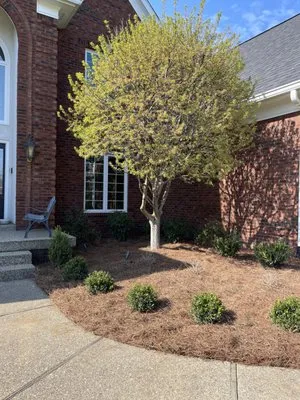
Scearce Lawncare
Scearce Lawncare is a family-owned and operated landscaping business serving Prospect, KY, and the greater Louisville area. Founded by Scotty Scearce when he was just 11 years old, the company started...
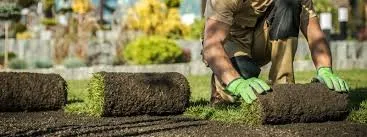
Ajay's Legacy is your trusted local partner in Louisville, KY, for comprehensive lawn care and junk removal. We understand the unique challenges Louisville homeowners face, especially with common land...
Micah's Mowing is your trusted local lawn care, snow removal, and tree service provider in Radcliff, KY. We understand the common landscaping challenges Radcliff homeowners face, such as dead patches ...
Since 2001, C Denny Landscaping has been a trusted, woman-owned and operated business in Louisville, building lasting relationships through a personal approach to landscaping. We believe in working di...
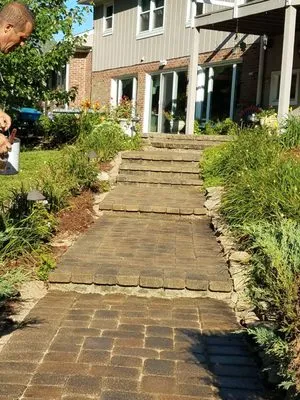
C Denny Landscaping
C Denny Landscaping is a woman-owned and operated Louisville institution, founded over 20 years ago with a single truck and a steadfast commitment to quality. Owner C Denny brings certified expertise ...
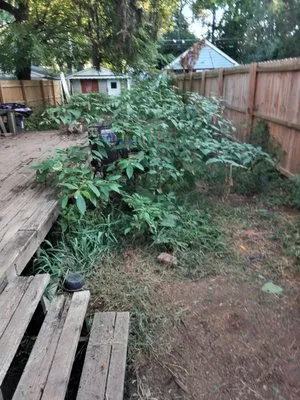
Krisp LawnKutz is a Louisville, KY-based company providing comprehensive property solutions, from landscaping to responsible junk removal. We help homeowners tackle common local lawn problems like pat...
Armus Vasser founded Dun-Rite Lawn Care in 2007 to build a future for his family in Faridale, dedicating more time to his son while turning over 20 years of industry knowledge into a reliable local se...
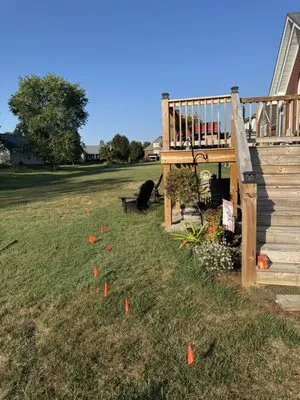
Emerald Lawn & Landscape is a professional lawn care provider based right here in Fox Chase, KY. We focus on residential services, with some select commercial work, and have built our reputation on re...
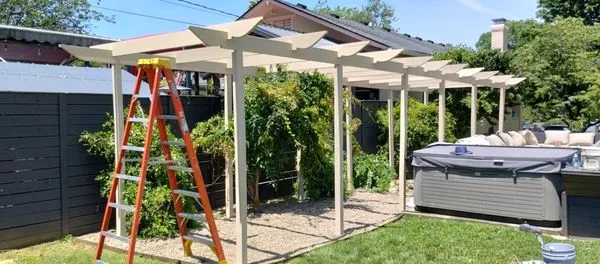
Juarez Lawn Care LLC is a Louisville-based landscaping company serving the community since 2020, with 16 years of industry experience. We specialize in comprehensive outdoor solutions including lawn c...
Greater Louisville Lawn Service
For over six decades, Greater Louisville Lawn Service has been a cornerstone of the local community, proudly operated by the same Louisville family since 1961. Now in its third generation, our philoso...
Estimated Landscaping Service Costs in Douglass Hills, KY
FAQs
How do I tackle invasive weeds like Japanese Knotweed without harming the creek?
Invasive species require targeted, often multi-year treatment plans. For woody invasives near waterways, careful cut-stump herbicide applications by licensed professionals are typically needed. All treatments must adhere to MSD Clean Water Standards, which strictly govern phosphorus and chemical runoff to protect watersheds. Timing is critical to avoid blackout dates for fertilizer and certain herbicide applications near sensitive areas.
Can you respond quickly for an emergency tree cleanup to meet an HOA deadline?
For urgent HOA compliance or storm damage in Douglass Hills, our standard dispatch routes from our central yard at Warren Walker Park via I-64. This allows a peak response time of 20-30 minutes. We prioritize these calls with dedicated crews equipped for immediate debris management and safety assessments to resolve violations or hazards efficiently.
Is Kentucky limestone a better choice than wood for a new patio?
Kentucky limestone pavers offer superior longevity and minimal maintenance compared to wood, which decays and requires sealing. Limestone is non-combustible, contributing to a defensible space which, while not a critical requirement in Douglass Hills' low Fire Wise rating zone, is a prudent material choice. Its durability and local sourcing make it a structurally and aesthetically sound investment for our climate.
My yard stays soggy for days after rain. What's the cause and fix?
Moderate runoff and persistent saturation are common here due to the silt loam surface over a dense clay subsoil, which severely limits percolation. Solutions include installing French drains or dry creek beds to intercept water. Using permeable Kentucky limestone pavers for patios or walkways also increases ground absorption and can help projects meet Louisville Metro Planning & Design Services' stormwater runoff standards.
Why does my soil seem so hard and compacted compared to newer neighborhoods?
Homes in Douglass Hills, built around 1976, have soils that have matured for about 50 years. This long-term development, combined with the natural silt loam base and dense clay subsoil, leads to significant compaction and reduced permeability. The soil's natural acidity (pH 6.2-6.8) is stable, but the primary need is core aeration and organic amendments like compost to rebuild pore space and microbial activity for healthier root growth.
How can I keep my Tall Fescue lawn green without wasting water?
Modern Wi-Fi ET-based irrigation controllers are the solution. They use real-time evapotranspiration data from local weather stations to adjust watering schedules precisely to plant needs. This technology applies water only when necessary, conserving significant volume while maintaining turf health. It proactively adapts to forecasted rain, ensuring compliance even if municipal water restrictions become active.
Why do I need a licensed contractor for regrading my backyard?
Significant grading on a 0.35-acre lot alters drainage patterns and can impact neighboring properties and public storm systems. Louisville Metro Planning & Design Services often requires a permit for such work to ensure compliance with codes. The contractor must be licensed through the Kentucky Department of Agriculture, which validates their knowledge of soil erosion, sediment control, and runoff mitigation laws, protecting you from liability and substandard work.
What's a lower-maintenance alternative to my constant mowing and blowing?
Transitioning perimeter areas to a xeriscape with Kentucky natives like Purple Coneflower, Butterfly Milkweed, Wild Bergamot, and Little Bluestem grass drastically reduces water, mowing, and chemical inputs. This biodiverse planting is inherently climate-adaptive. It also future-proofs your property against potential tightening of noise ordinances that may restrict gas-powered leaf blowers, shifting maintenance to quieter, electric methods.
