Top Landscaping Services in Dayton, KY, 41074 | Compare & Call

Kersey's Landscape is a comprehensive landscaping company serving Dayton, KY, and the surrounding Northern Kentucky communities. We specialize in a full range of services from initial design and earth...
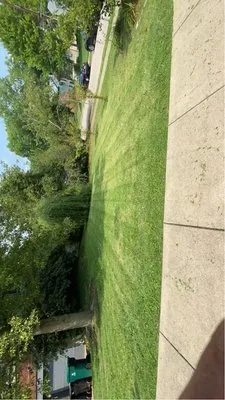
Samuel The Mower is a full-service landscaping and tree care provider serving Dayton, KY, and the surrounding Northern Kentucky communities. We specialize in comprehensive property care, from landscap...

Justin's Landscaping is a trusted local landscaping company serving Dayton, KY, and the surrounding areas. We specialize in comprehensive landscaping solutions designed to address common issues faced ...
RJ Lawns is a Dayton, KY-based lawn care company that grew from a one-person operation into a dedicated team serving the local community. Founded by walking door-to-door to find yards to mow, the busi...
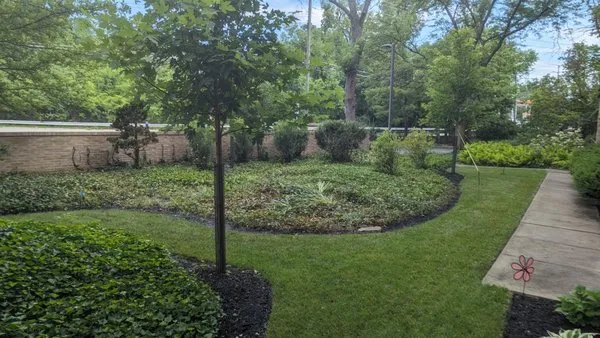
WD Lawncare is a trusted local lawn service provider in Dayton, KY, dedicated to helping homeowners maintain beautiful, healthy yards. We specialize in comprehensive lawn care solutions that directly ...
Common Questions
What invasive species should Dayton homeowners watch for, and how are they managed?
Japanese knotweed and garlic mustard present significant risks in Northern Kentucky, spreading rapidly through root systems and seed dispersal. Treatment involves targeted herbicide applications during active growth periods, avoiding Kentucky's winter application blackout dates. Mechanical removal combined with solarization prevents regrowth without violating nutrient management guidelines. Regular monitoring along property edges and near Gil Lynn Park helps detect early infestations when control is most effective.
What permits and licenses are required for landscape grading in Dayton?
Grading projects altering more than 100 cubic yards of soil on Dayton's 0.15-acre lots require permits from the Dayton City Building Department, with engineered plans for slopes exceeding 3:1 ratios. Contractors must hold Kentucky Department of Agriculture Nursery Inspector certification for plant installation and soil amendment work. Professional licensing ensures compliance with sediment control regulations and proper drainage calculations, preventing downstream impacts in the Dayton Riverfront area. Unlicensed grading risks fines and mandatory restoration orders.
Why does my Dayton Riverfront lawn struggle with drainage and compaction issues?
Dayton properties built around 1938 have soil that has matured for approximately 88 years, developing dense silty clay loam with pH 6.5-7.2. This soil type naturally compacts over decades, reducing permeability and creating runoff problems. Core aeration with organic amendments like compost improves soil structure by increasing pore space for water infiltration. Regular soil testing every 2-3 years helps maintain optimal pH levels for turf and plant health in this established neighborhood.
How quickly can you respond to emergency storm damage for HOA compliance in Dayton?
Emergency cleanup crews dispatch from Gil Lynn Park via I-471, reaching Dayton Riverfront properties within 20-30 minutes during peak response times. This routing prioritizes arterial access while avoiding residential congestion zones. Crews carry electric chainsaws and battery-powered blowers to comply with Dayton's 7:00 AM noise ordinance start time. Documentation for HOA compliance includes timestamped arrival photos and debris volume estimates.
How do smart irrigation systems work with Dayton's current water restrictions?
WiFi-enabled ET-based smart controllers adjust watering schedules using real-time evapotranspiration data from local weather stations. These systems maintain Kentucky Bluegrass and Tall Fescue blends while reducing water use 20-30% compared to traditional timers. During Stage 0 restrictions, controllers automatically follow municipal guidelines, preventing overwatering during rainfall events. Regular calibration ensures uniform distribution across Dayton's 0.15-acre lots without exceeding permitted water budgets.
Can I reduce maintenance while supporting local biodiversity in my Dayton yard?
Replacing high-maintenance turf areas with Purple Coneflower, Wild Bergamot, Butterfly Milkweed, and Little Bluestem creates pollinator habitat while eliminating weekly mowing. These native species require minimal irrigation once established and thrive in Dayton's USDA Zone 6b conditions. Transitioning to electric maintenance equipment aligns with evolving noise ordinances targeting gas-powered blowers. This approach reduces carbon emissions while creating layered vegetation that supports 2026 biodiversity standards.
What solutions address moderate runoff problems in Dayton's clay-heavy soil?
Silty clay loam's low permeability requires integrated drainage strategies starting with French drains or dry wells to intercept subsurface water. Permeable clay pavers or porous stamped concrete installations meet Dayton City Building Department runoff standards by allowing 8-12 inches per hour infiltration. Grading adjustments directing water away from foundations combined with rain gardens planted with native species create effective stormwater management systems for typical Dayton Riverfront properties.
How do stamped concrete and clay pavers compare to wood for Dayton patios?
Stamped concrete offers superior durability with 25-30 year lifespans versus wood's 10-15 years, requiring minimal maintenance in Dayton's freeze-thaw cycles. Clay pavers provide natural permeability while resisting staining from seasonal moisture. Both materials support Low Fire Wise ratings by creating defensible space without combustible organic matter near structures. Proper installation with adequate base materials prevents shifting in Dayton's expansive clay soils, maintaining structural integrity through seasonal changes.
