Top Landscaping Services in Crittenden, KY, 41030 | Compare & Call
There are 65 landscaping companies server in Crittenden KY
TLD Lawncare is a trusted, family-owned lawn and tree service provider serving Verona, KY, and the surrounding Boone County area. We specialize in comprehensive lawn care and expert tree services, hel...
Jones Complete Construction
Jones Complete Construction is a trusted local contractor serving Warsaw, KY, and surrounding areas with over 8 years of hands-on experience. Based right here in Warsaw, we specialize in a wide range ...
A Cut Above Lawncare is a trusted local lawn service provider serving Morning View, KY, and surrounding areas. We specialize in comprehensive lawn care solutions designed to address common landscaping...
Adams General Contracting is a trusted, locally-owned contractor serving Crittenden, KY, and surrounding areas. We specialize in building additions, deck construction, repair, and replacement, bringin...

Moores Lawn Care is a Dry Ridge, KY-based company dedicated to enhancing local homes and landscapes. We specialize in comprehensive lawn care services to directly tackle common area issues like dead g...
Estimated Landscaping Service Costs in Crittenden, KY
FAQs
How should I manage invasive species like Japanese stiltgrass without violating fertilizer regulations?
Japanese stiltgrass and garlic mustard pose significant threats in Crittenden's ecosystems, requiring targeted management before seed set in late summer. Manual removal with proper disposal prevents spread, while spot treatments with EPA-approved herbicides avoid broadcast application. Kentucky's BMP guidelines prohibit fertilizer application on frozen ground, but allow corrective treatments during growing seasons. Integrating pre-emergent strategies with native plant competition creates sustainable control without regulatory violations.
How quickly can you respond to an emergency tree cleanup after a storm in Crittenden?
Our electric maintenance fleet can dispatch from Crittenden City Park within 15 minutes of notification, using I-75 for efficient routing. During peak conditions, arrival at most Historic District properties occurs within 25-35 minutes. This rapid response minimizes property damage and meets HOA compliance timelines for debris removal. Electric equipment operates quietly under standard noise nuisance ordinances, allowing work during extended hours when needed.
What permits and licensing are required for grading and landscaping work on my 0.35-acre property?
The Grant County Planning Commission requires grading permits for earth moving exceeding 50 cubic yards or altering drainage patterns on 0.35-acre lots. Contractors must hold Kentucky Department of Agriculture Nursery/Landscape Board licensing for installation work involving plant materials or irrigation systems. Unlicensed grading can violate state sediment control regulations and void property insurance during storm events. Professional licensing ensures compliance with BMP guidelines and proper engineering for slope stability in silty clay loam soils.
Why choose permeable limestone pavers over wood for patios and walkways in Crittenden?
Permeable limestone pavers offer 25+ year durability with minimal maintenance, unlike wood that requires replacement every 8-12 years in Kentucky's climate. Their natural permeability reduces runoff by 40-60% compared to concrete, meeting local drainage requirements. For properties in moderate Firewise zones, limestone provides non-combustible defensible space when properly spaced from structures. The material's thermal mass moderates temperature extremes while complementing Crittenden's architectural character.
How can I maintain Tall Fescue turf while conserving water under Crittenden's current restrictions?
Wi-Fi ET-based weather sensing irrigation systems automatically adjust watering schedules using real-time evapotranspiration data from local weather stations. This technology reduces water use by 20-30% compared to traditional timers while preserving turf health. During Normal monitoring periods, these systems stay within municipal water limits by skipping cycles after rainfall. Properly calibrated systems deliver 1-1.5 inches weekly during peak growing season, matching Tall Fescue's water requirements without waste.
What solutions address seasonal saturation and runoff issues in my silty clay loam soil?
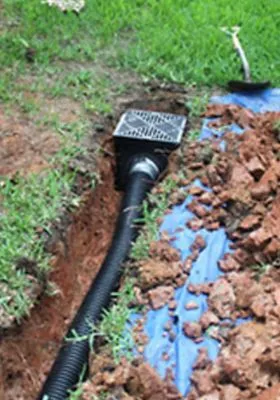
Silty clay loam's moderate permeability creates seasonal saturation that requires engineered drainage solutions. Installing French drains with proper slope directs water away from foundations, while rain gardens with native plants absorb excess moisture. Permeable limestone pavers meet Grant County Planning Commission runoff standards by allowing 30-40% infiltration compared to impervious surfaces. These approaches manage moderate runoff while preventing erosion and basement flooding during heavy rains.
Why does my Crittenden Historic District lawn struggle with compaction and poor drainage?
Homes built around 1995 have soil that has matured for approximately 31 years, developing a dense silty clay loam structure typical of this area. This soil type naturally compacts over time, reducing permeability and oxygen availability to roots. Core aeration every 2-3 years is essential to break up compaction layers and improve water infiltration. Incorporating organic amendments like compost can enhance soil structure and microbial activity, supporting healthier turf and plant growth in your 0.35-acre lot.
What low-maintenance alternatives to traditional turf can reduce gas-powered equipment use?
Transitioning to native plantings like Purple Coneflower, Butterfly Milkweed, Little Bluestem, and Eastern Redbud creates biodiverse landscapes requiring minimal maintenance. These species adapt to Zone 6b conditions without frequent mowing or blowing, staying ahead of potential gas-blower restrictions under noise ordinances. Native plant communities support pollinators while reducing water needs by 50-70% compared to conventional turf. This approach aligns with 2026 biodiversity standards and Firewise USA voluntary compliance through strategic spacing.
