Top Landscaping Services in Brooks, KY, 40109 | Compare & Call


Imperial Seeding and Sodding is a professional, family-run landscaping company proudly serving homeowners and businesses in Brooks, KY. Founded by John, we are built on a foundation of honest work, cl...

Okes Lawn & Landscape
Okes Lawn & Landscape has been a trusted partner for homeowners in Brooks and the surrounding area since 1997. As a full-service landscape design and lawn care company, we specialize in transforming o...

All In One Lawn Management is a trusted, local landscaping company serving Brooks, KY, and the surrounding areas. We understand the common challenges homeowners face, such as overgrown shrubs and pers...
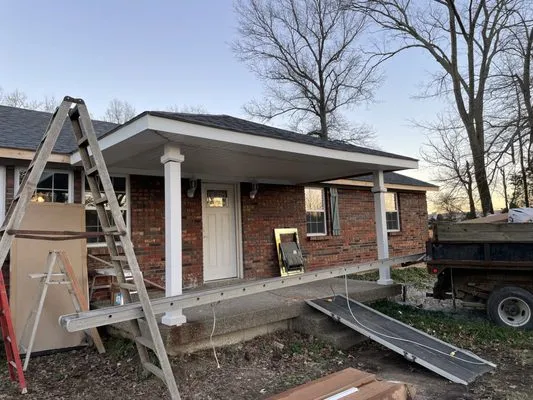
Casey's Handyman Services in Brooks, KY, is your trusted local expert for home maintenance and property care. We provide comprehensive handyman repairs, professional dumpster rentals for clean-up proj...
FAQs
What permits and licenses are needed for grading my 0.35-acre lot?
Grading that alters water flow patterns on 0.35 acres requires Bullitt County Planning & Zoning review for erosion control compliance. Kentucky Board of Landscape Architects licensing ensures professionals understand soil mechanics and drainage engineering. Projects moving more than 50 cubic yards of material typically need sediment control permits. Licensed contractors carry insurance covering subsurface surprises common in 1980s-era developments.
What invasive species threaten Brooks landscapes, and how are they managed?
Japanese stiltgrass and wintercreeper euonymus present the highest invasion risk in Zone 7a. Manual removal before seed set in early fall prevents spread without herbicide use. For established infestations, targeted glyphosate applications follow state fertilizer ordinance guidelines, avoiding N-P-K runoff into MS4 systems. Treatment timing avoids blackout dates near water bodies. Regular monitoring catches new invasions early.
What solutions exist for moderate runoff in my silt loam yard?
Silt loam's moderate permeability combined with clay subsoil compaction creates runoff issues during heavy rains. Installing Kentucky limestone paver patios with permeable jointing allows 1-2 inches per hour infiltration, meeting Bullitt County Planning & Zoning runoff standards. French drains with clean gravel and geotextile fabric redirect subsurface water. Grade corrections of 2% slope away from foundations prevent basement moisture problems.
How can I reduce maintenance while supporting local ecology?
Replacing high-maintenance turf with native plantings like Eastern Redbud, Purple Coneflower, Switchgrass, and Butterfly Milkweed creates habitat corridors. These species require no gas-powered blowers for cleanup, aligning with evolving noise ordinances. Native root systems improve soil structure and drought tolerance beyond 2026 biodiversity standards. Electric mulching mowers handle remaining turf areas with minimal disturbance.
Why choose Kentucky limestone over wood for patio materials?
Kentucky limestone pavers offer 50+ year durability versus wood's 15-25 year lifespan with maintenance. Their non-combustible nature supports Moderate Fire Wise Zone 2 compliance by creating defensible space. Limestone's thermal mass moderates temperature extremes, reducing heat island effect. Properly installed with permeable bases, they manage runoff better than impervious concrete. Local sourcing reduces transportation emissions compared to composite materials.
Why does my Brooks Park Estates lawn struggle despite regular care?
Properties in Brooks Park Estates built around 1985 have 40-year-old soil profiles. The silt loam (pH 6.2-6.8) common here has likely developed compaction from decades of foot traffic and equipment use. This reduces soil percolation and oxygen availability to roots. Core aeration with organic amendments like composted leaf mold can restore permeability and microbial activity. Soil testing every 3-5 years helps track pH drift in established landscapes.
Can I maintain Tall Fescue during voluntary water conservation periods?
Wi-Fi ET-based weather sensing irrigation automatically adjusts schedules using real-time evapotranspiration data from local weather stations. This system reduces Tall Fescue watering by 20-30% compared to timer-based systems while maintaining turf health. During normal conservation periods, we program deep, infrequent cycles that encourage deeper root growth. Soil moisture sensors provide backup monitoring to prevent overwatering clay subsoil layers.
How quickly can you respond to an HOA violation notice for overgrown vegetation?
Emergency cleanup crews dispatch from Brooks Elementary School via I-65, reaching Brooks Park Estates in 25-35 minutes during peak conditions. We prioritize HOA compliance issues with same-day assessment when notified before noon. Electric maintenance equipment operates within standard quiet hours (10 PM-7 AM), allowing early morning starts without ordinance violations. Documentation includes before/after photos for HOA submission.
