Top Landscaping Services in Anchorage, KY, 40223 | Compare & Call
There are 182 landscaping companies server in Anchorage KY
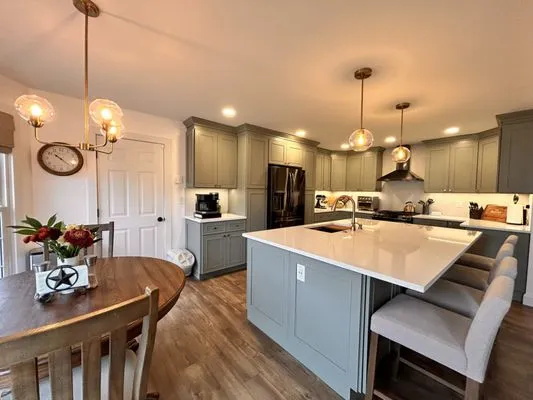
Qualman & Associates in Shepherdsville, KY, is a veteran-owned home services company built on deep local experience and a commitment to quality. Founder Robert, a proud Army veteran, brings decades of...
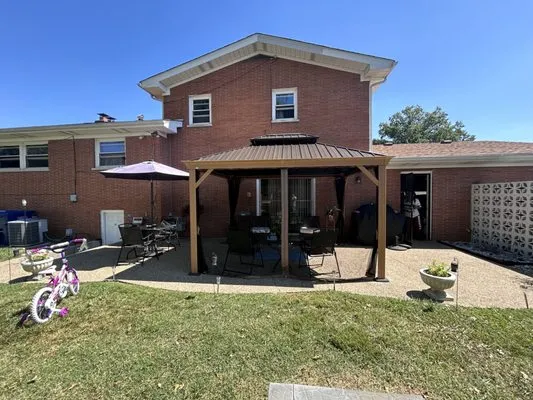
Bluegrass Elite Lawns is a locally owned and operated lawn service in Louisville, KY, dedicated to providing reliable, consistent care for your yard. We combine traditional Louisville pride with moder...
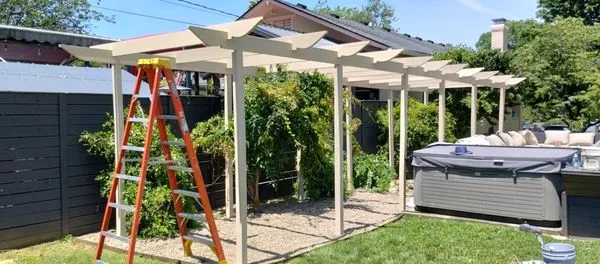
Juarez Lawn Care LLC is a Louisville-based landscaping company serving the community since 2020, with 16 years of industry experience. We specialize in comprehensive outdoor solutions including lawn c...
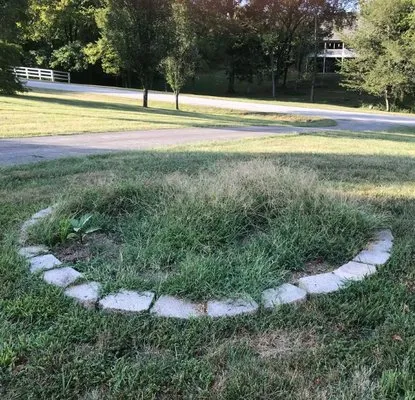
Eastwood Everything Landscaping is your reliable partner for a healthy, beautiful yard in Louisville, Kentucky. We provide essential services like weeding, mowing, and comprehensive clean-ups to keep ...
Sundog Landscape Consulting is a Louisville-based landscape architecture and design firm specializing in creating functional, beautiful outdoor spaces that address common local landscaping challenges....

G4 Irrigation in Battletown, KY, is a locally owned and operated business founded on the principle of delivering quality service at a fair value. From the owner to every team member, we approach each ...
Excellent Exteriors Landscaping and Pressure Washing
Excellent Exteriors Landscaping and Pressure Washing is a locally-owned Louisville business with over 25 years of experience transforming outdoor spaces. We specialize in comprehensive landscaping ser...
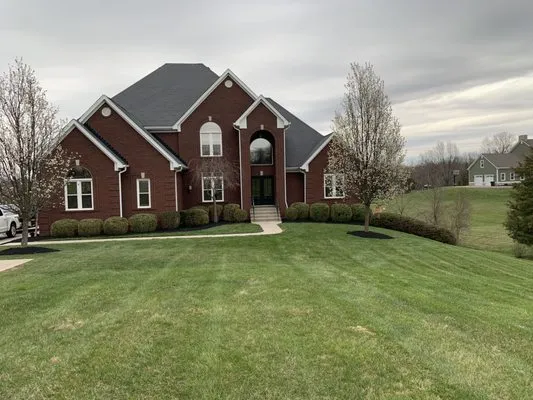
Bischoff Outdoor Services is a dedicated lawn care provider serving Louisville, KY, with a focus on solving common local landscaping challenges. Many Louisville properties face issues like poor lawn g...
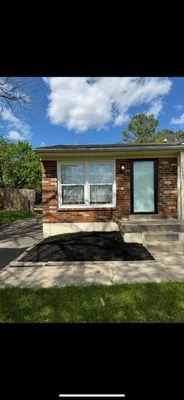
For nearly 14 years, Flournoy Lawn And Landscaping has been dedicated to transforming outdoor spaces in Pewee Valley, KY. Founded by a local professional who feels a genuine calling to lawn and landsc...
Nomadic Tree Care is a Louisville-based tree service and landscaping company dedicated to enhancing outdoor spaces through expert care and thoughtful design. We specialize in comprehensive tree servic...
Estimated Landscaping Service Costs in Anchorage, KY
Common Questions
How quickly can you respond to an emergency tree cleanup for HOA compliance during peak storm season?
Emergency response teams dispatch from the Anchorage Trailhead maintenance yard, taking I-264 directly to Historic District properties. During peak storm conditions, arrival times range from 25-35 minutes depending on traffic patterns. Our electric equipment fleet operates within the 7:00 AM to 9:00 PM noise ordinance window without restriction. We prioritize safety assessments before beginning any removal work to ensure compliance with community vegetation management standards.
Why does my 1970s-era Anchorage Historic District property have such compacted soil that needs annual core aeration?
Anchorage Historic District lots built around 1970 have 56-year-old soil profiles with mature silt loam that has become heavily compacted over decades. This soil type naturally develops poor permeability when subjected to routine foot traffic and equipment weight. Core aeration every 1-2 years is essential to restore oxygen exchange and water infiltration rates. Adding 1-2 inches of composted organic matter after aeration will rebuild soil structure without altering the optimal 6.2-6.8 pH range.
What solutions address seasonal ponding in low-lying areas of my silt loam property?
Silt loam's moderate permeability requires graded swales or French drains to redirect runoff from seasonal ponding zones. Installing permeable Kentucky limestone pavers in walkways and patios increases surface infiltration by 50-60% compared to solid concrete. These systems must meet Anchorage City Planning & Development standards for stormwater management on 0.75-acre lots. Combining subsurface drainage with rain gardens planted in native switchgrass creates a complete solution that handles moderate runoff events.
What permits and licensing are required for grading work on my 0.75-acre Anchorage property?
Grading projects altering more than 100 square feet require Anchorage City Planning & Development permits with engineered drainage plans. The Kentucky Landscape Architects Board mandates licensed professionals for designs involving significant earth movement or retaining walls over 4 feet. On 0.75-acre lots, certification ensures compliance with setback requirements and prevents downstream erosion. Licensed contractors carry insurance protecting against subsidence issues common in silt loam soils during heavy rainfall events.
How can I maintain healthy Tall Fescue turf while following Anchorage's water conservation recommendations?
Smart Wi-Fi ET-based irrigation systems calculate evapotranspiration rates using local weather data to apply precisely 1-1.5 inches of water weekly during growing seasons. This technology reduces water usage by 30-40% compared to traditional timers while keeping Tall Fescue at optimal soil moisture levels. Programming follows municipal conservation guidelines by avoiding midday watering and implementing rain delay functions. Regular system audits ensure uniform distribution and prevent runoff from moderate ponding areas.
Why choose Kentucky limestone pavers over wood for durable, fire-resistant hardscaping?
Kentucky limestone pavers offer 50+ year durability with minimal maintenance compared to wood's 10-15 year lifespan requiring regular treatment. Their non-combustible nature supports Moderate Fire Wise ratings by creating defensible space around structures. Limestone's natural thermal mass moderates temperature extremes while providing stable footing in all seasons. Properly installed with permeable joints, these pavers manage runoff without contributing to erosion on sloped sites.
How can I reduce maintenance while preparing for upcoming electric equipment requirements?
Replacing high-maintenance turf areas with native plantings like Eastern redbud, purple coneflower, and wild bergamot creates self-sustaining landscapes that require minimal intervention. These species thrive in Zone 7a conditions without supplemental watering once established. Transitioning now avoids future noise ordinance conflicts as gas-powered blowers face increasing restrictions. Native plant communities support local pollinators while reducing mowing frequency from weekly to seasonal maintenance.
What invasive species threaten Anchorage landscapes, and how do I treat them safely?
Japanese knotweed and wintercreeper present significant invasion risks in Anchorage's silt loam soils, outcompeting native vegetation. Treatment requires targeted herbicide applications during active growth phases, carefully timed outside MSD Nutrient Management Guidelines' phosphorus restriction periods. Manual removal followed by solarization prevents chemical runoff into watersheds. Establishing dense native switchgrass stands creates competitive barriers against reinfestation while maintaining soil health.
