Top Landscaping Services in Wellington, KS, 67103 | Compare & Call

There are 138 landscaping companies server in Wellington KS
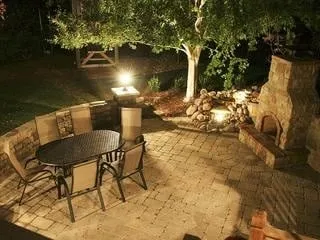
New Look Landscape
New Look Landscape was founded in Wichita by Steve Locke, whose passion for horticulture took root early. Starting a mowing business in the fifth grade and working at a local nursery in high school, S...
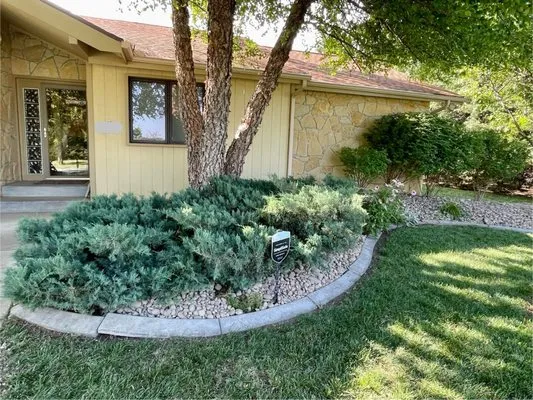
Bossy Oak Landscaping is a locally owned and operated landscaping company serving Andover, KS, and the surrounding areas since 2014. Licensed and insured, we provide comprehensive landscaping solution...
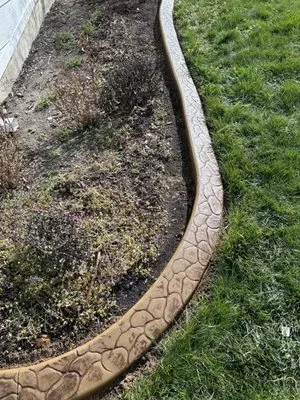
A and S Borders is a family-owned, licensed concrete edging service based in Valley Center, KS, specializing in continuous landscape curbing and irrigation solutions. We offer a wide variety of styles...
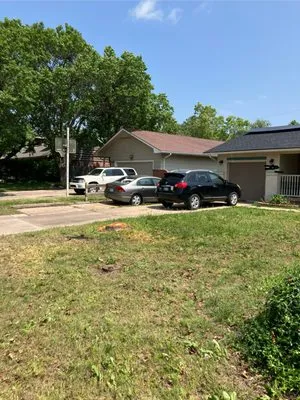
Jordan's Outdoor Services is a trusted Andover, KS provider of comprehensive tree services and landscaping solutions. We specialize in addressing common local landscaping challenges like standing wate...

Greenthumb Lawn Landscaping has been a trusted part of the Wichita community since 2003. Founded with a passion for creating unique, functional outdoor spaces, our team is led by a Registered Landscap...
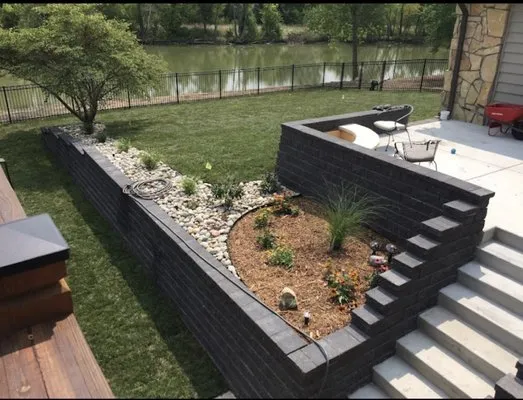
Daniel's Lawn & Landscaping Service
Daniel's Lawn & Landscaping Service began as a family-focused effort to earn extra income in Wichita, KS. What started as a side project quickly grew into a passion for transforming outdoor spaces thr...
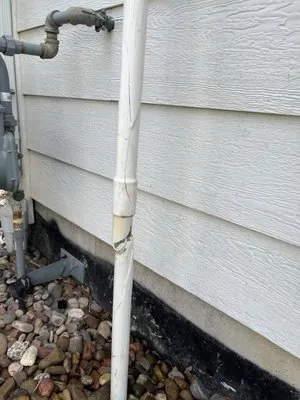
Gabe's Sprinkler Systems is a family-owned irrigation and lawn care business serving Wichita, KS since 2009. With over 15 years of hands-on experience, owner Gabe personally handles every project—from...

Tiny’s Lawn Service is a trusted, locally-owned lawn care provider dedicated to keeping Peck, KS lawns healthy and vibrant. We specialize in addressing the common local issues of bare lawn patches and...
Brady Nursery
For over 70 years, Brady Nursery has been a cornerstone of Wichita's green spaces, growing from a family dream into one of the city's most trusted names in horticulture and landscaping. Founded in 195...
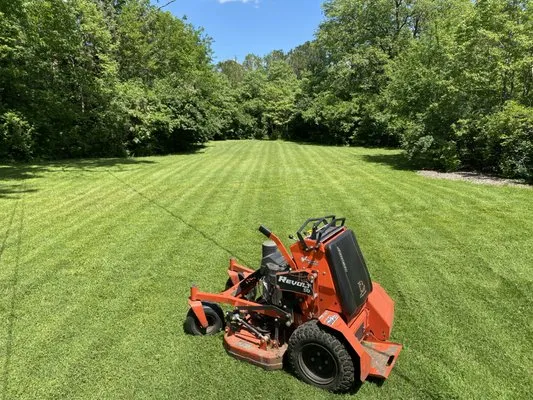
AB Mowing is a trusted local service provider in Wichita, KS, offering comprehensive solutions for lawn care, snow removal, and junk removal. With a focus on reliability and affordability, we handle e...
Estimated Landscaping Service Costs in Wellington, KS
Questions and Answers
How do we keep our Tall Fescue lawn healthy during a hot Kansas summer without wasting water?
Tall Fescue's deep root system is supported by Wi-Fi ET-based irrigation controllers, which schedule watering based on real-time evapotranspiration data from local weather stations. This technology applies water only when needed, often during pre-dawn hours to minimize evaporation loss. Even with voluntary conservation measures in place, this system maintains turf health while reducing overall municipal water consumption by 20-40% compared to traditional timer-based systems. Proper programming aligns irrigation with the grass's weekly growth cycle from April through October.
We're adding a patio and want materials that last. Is limestone or composite wood better for our climate?
Limestone Veneer and solid Concrete Pavers offer superior longevity in Wellington's climate, with minimal thermal expansion and high resistance to freeze-thaw cycles. Unlike wood or composites, which can warp or degrade, these materials maintain structural integrity for decades. For properties in moderate Wildfire Protection Plan zones, these non-combustible materials also contribute to defensible space when used correctly in patios or pathways, slowing fire spread. Their embodied carbon and low lifecycle maintenance make them a technically sound choice.
Our Wellington yard seems tired and compacted. Is this just age, or is there something specific about the soil here?
Soils in Downtown Wellington lots, established around 1962, have matured for over 60 years. The native Silt Loam topsoil has likely been depleted by decades of standard lawn care, leading to poor structure and reduced permeability. The underlying clay-heavy subsoil common in this area exacerbates compaction, restricting root growth and water infiltration. Core aeration combined with incorporating composted organic matter is essential to rebuild soil biology and porosity for modern, resilient landscaping.
We're tired of weekly mowing and gas blower noise. Are there lower-maintenance, native alternatives to our lawn?
Transitioning high-input turf areas to a matrix of Wellington natives like Little Bluestem, Purple Coneflower, and Butterfly Milkweed significantly reduces maintenance. These deep-rooted perennials require no mowing, minimal watering once established, and provide critical habitat, aligning with 2026 biodiversity goals. This shift also preempts future noise ordinance expansions targeting gas-powered equipment, as native plantings generate little to no leaf litter that requires blowing. The ecological function and visual interest of such landscapes increase each year.
We want to regrade our backyard for better drainage. What permits and contractor qualifications are needed?
Regrading a 0.22-acre lot in Wellington often requires a permit from the Planning and Zoning Department if it alters water flow or affects neighboring properties. The contractor must hold appropriate licensing through the Kansas Department of Agriculture, which ensures training in erosion control and soil management. This is critical because improper grading can exacerbate runoff issues into the city's storm system. Always verify both the permit and the license before work begins to ensure the project is legally compliant and technically sound.
A storm just blew through and we need debris cleared to meet HOA rules. What's your emergency response time downtown?
Our dispatch coordinates from the Wellington Memorial Auditorium area, providing a central point for rapid deployment. Using US-81, our electric maintenance vehicles can typically reach most Downtown Wellington addresses within the 15-20 minute window critical for peak storm response. This efficiency is enhanced by our fleet's compliance with local noise ordinances, allowing for early morning or late evening work without disturbance. We prioritize safety perimeter establishment and efficient debris processing to restore property access and compliance swiftly.
We see a fast-spreading vine taking over a flower bed. What is it, and how do we remove it safely?
In Zone 6b, common invasive alerts include bindweed and Virginia creeper, which outcompete desired plants. Manual removal, ensuring all root fragments are extracted, is the first defense. For persistent issues, a targeted, systemic herbicide applied precisely to the foliage in late summer can be effective. All treatments must adhere to Kansas state fertilizer and pesticide standards, avoiding application near waterways and observing any label-specified blackout dates to protect pollinators and soil health. Ongoing monitoring is crucial for prevention.
Our yard pools water after heavy rains. What's causing this, and what solutions meet Wellington's standards?
Moderate runoff in Wellington is often due to the inherent compaction of Silt Loam over clay subsoil, which has low permeability. This creates surface pooling and potential foundation issues. Solutions include installing French drains or dry creek beds to intercept water, coupled with soil amendment to improve infiltration. For new hardscapes, specifying permeable jointing for Concrete Pavers or choosing open-grid systems can meet Planning and Zoning Department runoff reduction standards by allowing water to percolate into the ground rather than shed.
