Top Landscaping Services in Victoria, KS, 67671 | Compare & Call

There are 19 landscaping companies server in Victoria KS
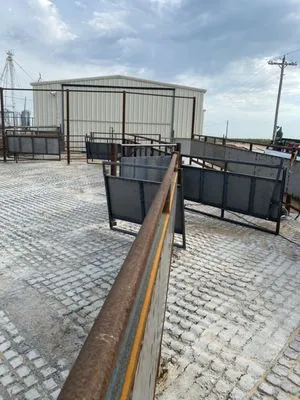
Saints Works is a trusted general contractor serving Great Bend, KS, with expertise in landscaping, metal fabrication, and comprehensive construction services. We specialize in home remodeling, new co...
Superior Lawn & Landscape is a trusted, full-service provider serving Hays and the surrounding area. We specialize in creating and maintaining beautiful, resilient outdoor spaces. A common challenge f...
Petz Lawn Care is a trusted Hays, KS lawn service provider specializing in comprehensive solutions for local homeowners. We address common regional landscaping challenges like yard erosion and dying s...
Saint Nick's Snow Plowing & Outdoor Management
Saint Nick's Snow Plowing & Outdoor Management is your trusted, licensed partner for year-round outdoor care in Hays, KS. We're the local professionals you can rely on to transform your property for e...
G & L Landscape
G & L Landscape is a trusted Hays, KS landscaping company specializing in comprehensive lawn care, holiday decorating, and masonry/concrete services. Many homes in the Hays area struggle with bare law...
Flax Lawns & Landscaping is a trusted, locally-owned landscaping company serving Hays, Kansas. We understand the common frustrations homeowners in our area face, like struggling shrubs and inefficient...
Lawn Masters is a trusted landscaping, irrigation, and masonry/concrete company serving Hays, KS homeowners. We specialize in solving common local landscaping challenges like overgrown shrubs and patc...
Darren's Lawn Care
Darren's Lawn Care in Hays, KS is a locally owned and operated landscaping company with 15 years of experience serving the Hays community. Founded by Darren, who holds a Horticulture degree from Kansa...

Cutting Edge Lawn Professionals is a trusted local provider in Victoria, KS, dedicated to maintaining healthy, vibrant lawns for residential and commercial properties. Our team brings reliable experti...
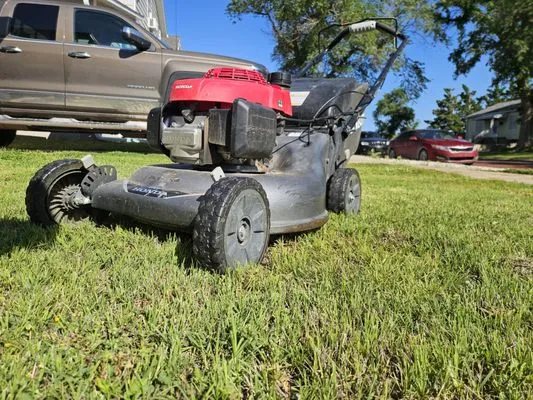
Burnsy's Lawn Service in Hays, KS, is a dedicated local provider focused on reliable lawn care and upkeep. We take pride in our work, whether it's pulling weeds, trimming bushes, or handling weekly ya...
Estimated Landscaping Service Costs in Victoria, KS
FAQs
Why does my Central Victoria Residential yard have such dense, slow-draining soil that resists water penetration?
Victoria's silty clay loam soil naturally has low permeability, and residential lots in this neighborhood average 58 years of development since 1968 construction. Decades of foot traffic and equipment use have compounded clay-based compaction, reducing pore space for water and air movement. Core aeration every 1-2 years creates channels for oxygen and water infiltration, while incorporating 2-3 inches of composted organic matter improves soil structure and microbial activity. This addresses the alkaline pH range of 7.5-8.2 that can limit nutrient availability for many landscape plants.
What solutions address moderate runoff issues common in Victoria's clay-based yards?
Silty clay loam's slow percolation rate causes surface pooling during heavy rains, particularly on sloped lots. Installing French drains with clean gravel and perforated pipe redirects water away from foundations, while dry creek beds with native limestone rock provide aesthetic drainage channels. For hardscape areas, permeable limestone pavers set on crushed stone bases allow water infiltration that meets Ellis County Planning and Zoning runoff standards. These approaches combine to manage Victoria's moderate drainage hazard by improving soil permeability and controlling water movement.
How quickly can you respond to an emergency tree cleanup or HOA violation notice in Victoria?
Emergency response from Herzog Park via I-70 averages 15-20 minutes to Central Victoria Residential addresses. Our dispatch prioritizes safety hazards like downed limbs blocking driveways or immediate HOA compliance issues requiring same-day resolution. Equipment is staged for rapid deployment, with crews trained to assess and secure sites while coordinating with municipal services if needed. This regional response time accounts for Victoria's moderate traffic patterns while maintaining readiness for urgent landscape situations.
How do smart irrigation systems help maintain healthy turf while following Victoria's water conservation guidelines?
Wi-Fi ET-based controllers calculate evapotranspiration rates using local weather data, applying water only when Tall Fescue and Kentucky Bluegrass blends actually need it. These systems automatically adjust for rainfall, humidity, and temperature to prevent overwatering that wastes resources and promotes disease. During Normal water restriction periods, programming follows municipal conservation guidelines by limiting runtime and implementing cycle-soak schedules for Victoria's clay soils. This technology typically reduces water use 20-30% while maintaining turf health through precise moisture management.
What invasive species should Victoria homeowners watch for, and how are they managed safely?
Japanese knotweed, musk thistle, and field bindweed pose significant threats in Ellis County, outcompeting natives and degrading soil health. Mechanical removal before seed set combined with targeted herbicide applications during active growth phases provides effective control. All treatments follow Kansas Department of Agriculture protocols for non-phosphorus products, avoiding restricted application periods to protect water quality. Early identification and consistent management prevent invasive establishment while preserving desirable vegetation in Victoria's residential landscapes.
How does native limestone compare to wood for patios and retaining walls in Victoria?
Native limestone offers superior durability with a 50+ year lifespan versus wood's 10-15 years in Kansas freeze-thaw cycles. Its non-combustible properties directly support Victoria's Moderate Fire Wise rating by creating the required 5-foot defensible space around structures. Limestone's thermal mass moderates temperature extremes, and its natural appearance blends with local geology better than imported materials. While initial cost exceeds pressure-treated wood, limestone's minimal maintenance and fire resistance provide long-term value for Victoria's climate and safety requirements.
What permits and licensing are required for significant grading or landscape installation on my Victoria property?
Grading that alters water flow patterns or involves more than 50 cubic yards of earth movement requires Ellis County Planning and Zoning review to prevent drainage impacts on neighboring lots. Contractors must hold Kansas Department of Agriculture landscape architecture or horticulture licensing for design work on 0.22-acre properties, ensuring technical competency with local soil and climate conditions. Unlicensed grading can violate county erosion control ordinances and create liability for downstream flooding. Professional documentation of pre- and post-construction elevations provides compliance records for Victoria's moderate runoff hazard areas.
Should I consider replacing some lawn with native plants to reduce maintenance and environmental impact?
Transitioning high-maintenance turf areas to native plantings like Little Bluestem, Purple Coneflower, and Butterfly Milkweed significantly reduces water, fertilizer, and mowing requirements. These deep-rooted species thrive in Victoria's Zone 5b climate without irrigation once established, while supporting local pollinators and biodiversity. This approach aligns with evolving noise ordinance considerations by minimizing gas-powered equipment use, and creates resilient landscapes better adapted to Kansas temperature extremes. Strategic native plant integration can transform 30-50% of traditional lawn into ecologically functional spaces.
