Top Landscaping Services in Topeka, KS, 66409 | Compare & Call
There are 169 landscaping companies server in Topeka KS
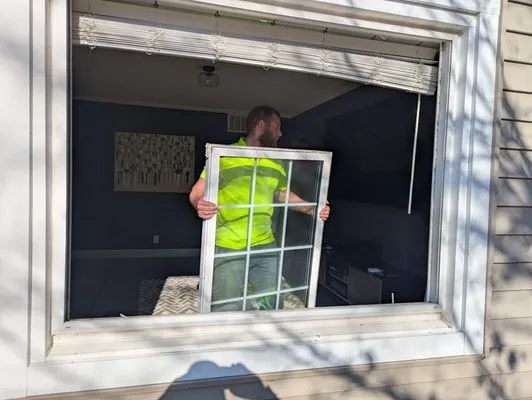
Bang Stick Customs is a versatile Topeka-based service provider specializing in handyman, landscaping, and auto repair solutions. With expertise across appliance installation, auto diagnostics, home r...
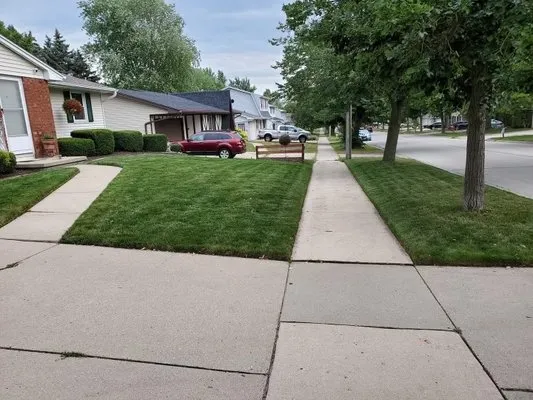
Big Cam's Lawn Care is a trusted, locally-owned lawn service provider serving homeowners throughout Topeka, KS. We understand the unique challenges Topeka properties face, including landscape edging d...

Capital City Tree Care
Capital City Tree Care is a Topeka-based landscaping and tree service company dedicated to maintaining the natural beauty of our community. We specialize in comprehensive tree care, including pruning,...
Fantasy Falls & Water Gardens
Fantasy Falls & Water Gardens is a Grantville-based landscaping and lighting specialist dedicated to enhancing local outdoor spaces. Many homes in the area face common landscaping challenges like over...
Blue Valley Lawn & Tree Service
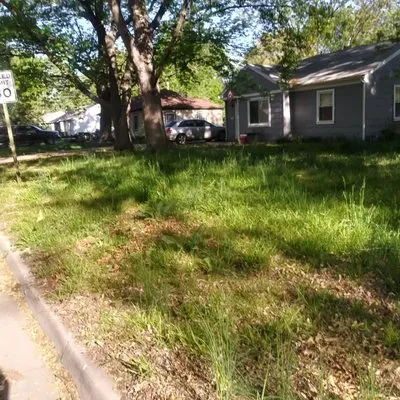
Blue Valley Lawn & Tree Service is a trusted, locally-owned provider in Topeka, KS, offering comprehensive lawn, tree, and junk removal solutions. We understand the unique challenges Topeka lawns face...
Backyard Boss is a Topeka-based lawn and landscaping service founded on eight years of hands-on industry experience. We specialize in transforming outdoor spaces through comprehensive services includi...
Top Town Lawn and Irrigation is a Topeka-based lawn care and irrigation specialist dedicated to transforming local landscapes. Our team of diversely skilled professionals focuses on delivering reliabl...
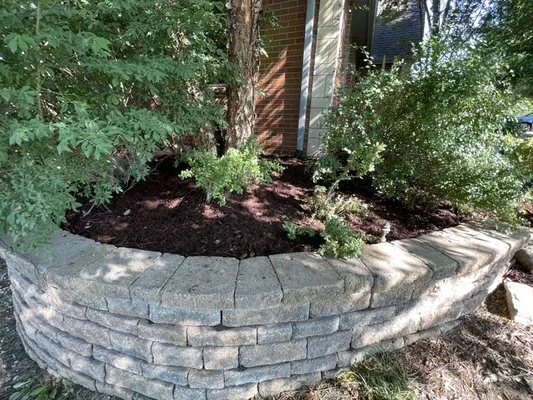
Sherwood Mowing & Maintenance is a family-owned business serving Topeka with dependable lawn care and property management. We provide weekly mowing and trimming starting at $45, along with seasonal se...
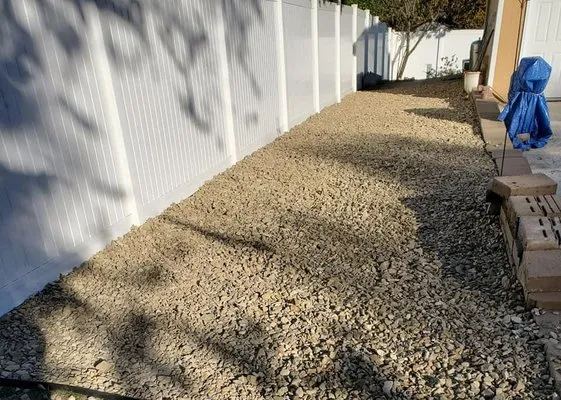
Yard Crafters is a trusted outdoor service provider in Topeka, Kansas, specializing in comprehensive landscaping, hardscape installation and repairs, mowing, fertilizing, and landscape maintenance. Fo...
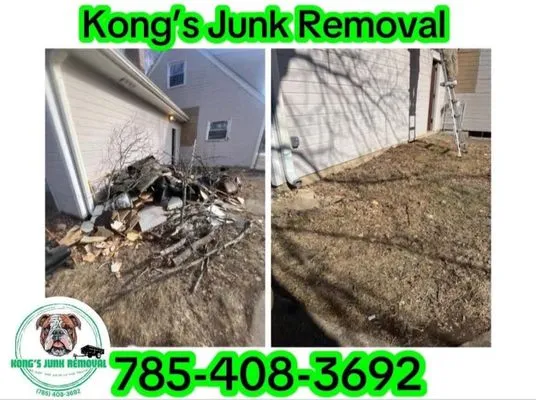
Kong’s Junk Removal
Kong's Junk Removal is your Topeka neighbor for fast, responsible cleanups. We specialize in hauling away everything from old appliances and furniture to yard debris and storm waste. We help Topeka ho...
Estimated Landscaping Service Costs in Topeka, KS
Question Answers
What solutions work best for seasonal soil saturation and runoff issues in my clay-heavy yard?
Silty clay loam soils in Topeka have slow permeability, causing moderate runoff and seasonal saturation that requires integrated drainage approaches. Permeable limestone pavers allow 30-50% greater water infiltration than conventional materials, meeting Planning and Development Department runoff standards while reducing erosion. French drains with clean gravel and geotextile fabric provide subsurface drainage paths, and grading adjustments should direct water away from foundations. These combined strategies address both surface and subsurface water movement common in Washburn Rural properties.
How quickly can you respond to an emergency tree cleanup after a storm to meet HOA compliance deadlines?
Emergency storm response typically requires 20-30 minutes during peak conditions from our central dispatch near Gage Park. We route via I-70 to access Washburn Rural and Westboro neighborhoods efficiently, with electric equipment that complies with daytime noise ordinances for immediate deployment. This allows same-day debris removal and hazard mitigation to meet most HOA 72-hour compliance windows. Our fleet includes compact electric chippers and trailers designed for rapid loading and transit through residential areas.
Are permeable limestone pavers a better choice than wood decking for durability and fire safety?
Permeable limestone pavers offer superior longevity with 25+ year lifespans versus wood's 10-15 years, requiring minimal maintenance in Topeka's freeze-thaw cycles. Their natural thermal mass moderates surface temperatures, and permeability reduces runoff by 40-60% compared to solid surfaces. For properties with Moderate Fire Wise ratings in urban-wildland interfaces, non-combustible limestone creates defensible space without the fire risk of wood decking. The material's light color also reduces heat island effect while complementing regional architectural styles common in Westboro neighborhoods.
What invasive species should I watch for, and how do I treat them without violating fertilizer regulations?
Japanese knotweed, bindweed, and Johnsongrass pose significant threats in Topeka's Zone 6b, exploiting disturbed areas in silty clay loam soils. Mechanical removal combined with targeted spot treatments using EPA-approved herbicides during active growth phases provides effective control. These applications must avoid state BMP blackout dates typically in spring and fall when runoff risks are highest. For persistent infestations, solarization with clear plastic during summer months offers chemical-free suppression. Regular monitoring and early intervention prevent establishment while maintaining soil health.
How can I reduce lawn maintenance while preparing for tighter noise and emissions regulations?
Replacing high-maintenance turf areas with native plantings like Purple Coneflower, Little Bluestem, Butterfly Milkweed, and Leadplant creates resilient, low-input landscapes that align with 2026 sustainability standards. These deep-rooted natives require no weekly mowing, minimal watering once established, and support local pollinator biodiversity. The transition reduces dependence on gas-powered equipment ahead of anticipated noise ordinance revisions targeting blower and mower emissions. This approach also decreases fertilizer needs while providing year-round visual interest through strategic plant selection.
Can I maintain healthy Tall Fescue turf while following Topeka's water conservation guidelines?
Wi-Fi ET-based weather sensing irrigation systems precisely match watering to actual evapotranspiration rates, reducing typical Kentucky-31 Tall Fescue water use by 30-40% while maintaining turf health. These systems automatically adjust for rainfall, humidity, and temperature data, staying well within municipal water limits even during normal restriction periods. Properly programmed systems deliver 1-1.5 inches weekly during peak growth, focusing on deep, infrequent watering that encourages drought-tolerant root development. This technology represents the current standard for sustainable turf management in Zone 6b.
Why does my Washburn Rural yard have such dense, compacted soil that struggles to absorb water?
Topeka's silty clay loam soil naturally compacts over time, and with homes averaging 59 years old since 1967, decades of foot traffic and conventional maintenance have reduced soil porosity. This soil type has moderate permeability that declines without intervention, leading to poor water infiltration and root development. Core aeration every 1-2 years combined with organic amendments like compost can restore soil structure by increasing pore space and microbial activity. Addressing this now prevents more severe drainage issues common in older Westboro neighborhoods with similar soil profiles.
What permits and licensing are required for grading and drainage work on my quarter-acre lot?
Grading that alters more than 100 cubic yards of soil or changes water flow patterns requires a permit from Topeka Planning and Development Department, with specific requirements for erosion control during construction. Contractors must hold appropriate licensing through the Kansas Department of Agriculture, which verifies competency in soil management and Best Management Practices. On 0.25-acre lots, even modest regrading can impact neighboring properties, making professional oversight essential for compliance with municipal codes and state BMPs. Unpermitted work risks fines and may void drainage system warranties.
