Top Landscaping Services in Sublette, KS, 67877 | Compare & Call
There are 43 landscaping companies server in Sublette KS
Furr Lawn & Landscape is a full-service landscaping company proudly serving Liberal, KS. We understand the local challenges homeowners face, including patchy, struggling grass and insect damage that c...
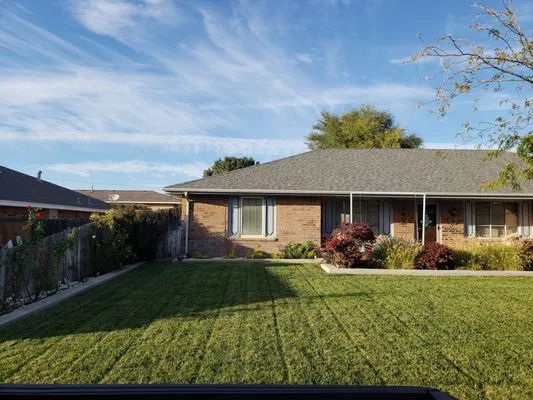
Lawn N Order is a trusted local landscaping and snow removal service, proudly serving Liberal, KS, and the surrounding area since 2015. We specialize in providing reliable, year-round outdoor maintena...

General Pest Control in Cimarron, KS has been providing reliable pest management and property care solutions to the local community since 1978. We specialize in comprehensive pest control services inc...
Bernie's Tree Service is a trusted, family-owned business serving Dodge City and the surrounding area. We specialize in comprehensive tree care, expert lawn maintenance, and providing quality, seasone...
Huber Lawn Services is a trusted local provider in Garden City, KS, specializing in both lawn care and snow removal to keep your property looking great year-round. We understand the unique challenges ...
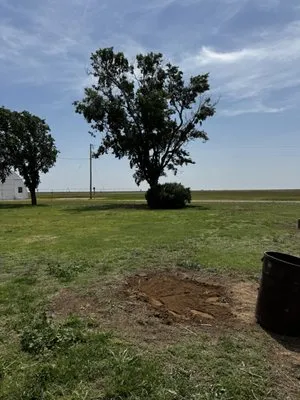
RO Services is a trusted, full-service landscaping and demolition company serving Liberal, KS, and the surrounding area. We specialize in a comprehensive range of services, from interior and exterior ...

Gary's Yard Maintenance is your local, reliable partner for keeping your Liberal property in great shape. We provide personalized and affordable lawn care, including mowing and edging, along with esse...
Moser Outdoor Oasis Service is a dedicated lawn care provider serving Satanta, KS, and the surrounding area. We specialize in comprehensive lawn care solutions designed to tackle the specific challeng...
Felix Lawn Care is Garden City's trusted partner for creating and maintaining a healthy, vibrant lawn. We understand the specific challenges local homeowners face, such as stubborn bare patches that w...
Workforce Partners in Garden City, KS, is a trusted local contractor specializing in landscaping and masonry/concrete solutions. We understand the unique challenges of our region, particularly the com...
Estimated Landscaping Service Costs in Sublette, KS
Q&A
How can I keep my Buffalograss green during a voluntary water conservation stage?
Smart ET-based weather sensing controllers are essential. They automatically adjust watering schedules based on real-time evapotranspiration data, preventing overwatering. Buffalograss is a xeriscape standard for a reason—it is deeply drought-tolerant. The key is deep, infrequent watering that encourages profound root growth. This system ensures your turf receives precisely what it needs without exceeding municipal water limits during Stage 1 conservation.
How quickly can you respond for an emergency tree cleanup after a windstorm?
For urgent situations like storm debris blocking access, our standard rural service response from the Haskell County Courthouse area is 20-30 minutes. We dispatch via US-83, which provides direct access to the Sublette Residential Core. Our electric maintenance fleet complies with the standard 7:00 AM to 9:00 PM operating window, allowing for quiet, efficient cleanup without noise ordinance concerns.
My yard develops puddles that then crust over. What's the best fix?
This is classic surface crusting from wind erosion on Ulysses Silt Loam. The fix addresses both pooling and permeability. We recommend replacing non-porous surfaces with crushed limestone or permeable concrete for patios and walkways. These materials allow water to infiltrate directly into the subsoil, reducing runoff. This approach often meets Haskell County Planning & Zoning standards for stormwater management while solving your yard's drainage issue.
Do I need a permit to regrade my 0.25-acre lot?
Yes, significant grading that alters water flow or involves cut/fill typically requires a permit from the Haskell County Planning & Zoning office. Furthermore, any contractor performing this work must hold appropriate licensing through the Kansas Department of Agriculture, which oversees landscape architecture and contracting. This ensures the work complies with erosion control standards and protects you from liability. Always verify both permit and professional licensing before proceeding.
I've spotted invasive thistles. How should I handle them safely?
Early identification and targeted treatment are critical for invasive species like musk or Canada thistle. Manual removal before seed set is effective for small patches. For larger infestations, a selective, systemic herbicide applied in late spring or fall is necessary. Always follow the product label and Kansas Department of Agriculture guidelines. There is no specific municipal phosphorus ban, but proper application timing avoids runoff and protects soil health.
Is crushed limestone a better choice than wood for a new patio?
For longevity and fire safety in our moderate Grassland Interface zone, crushed limestone is superior. It is a non-combustible material that contributes to defensible space, a key Firewise rating consideration. Unlike wood, it will not decay, warp, or attract pests. Its natural permeability also manages runoff effectively. For a durable, low-maintenance, and fire-resilient hardscape, mineral aggregates like crushed limestone are the recommended choice.
My lawn in the Sublette Residential Core has patches that won't hold water. Is this a soil issue?
Yes, it's a direct consequence of your lot's age and native soil. Houses built around 1974 on Ulysses Silt Loam (pH 7.5-8.2) have over 50 years of soil compaction. This fine-textured soil forms a hard surface crust that prevents water percolation. The solution is not more water, but core aeration and adding compost to increase organic matter and break up the crust. This will improve root penetration and moisture retention.
I want to reduce mowing and maintenance. What are my options?
Transitioning to a native grassland landscape is the most effective strategy. Replacing high-input turf with a matrix of Little Bluestem, Buffalo Grass, and flowering forbs like Purple Coneflower creates a resilient, low-water ecosystem. This reduces mowing frequency to once a year, if at all, and eliminates the need for gas-powered blowers. It's a proactive adaptation to evolving noise ordinances and enhances biodiversity well beyond 2026 standards.
