Top Landscaping Services in Stockton, KS, 67669 | Compare & Call

There are 25 landscaping companies server in Stockton KS
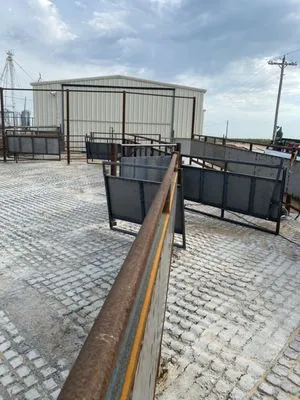
Saints Works is a trusted general contractor serving Great Bend, KS, with expertise in landscaping, metal fabrication, and comprehensive construction services. We specialize in home remodeling, new co...
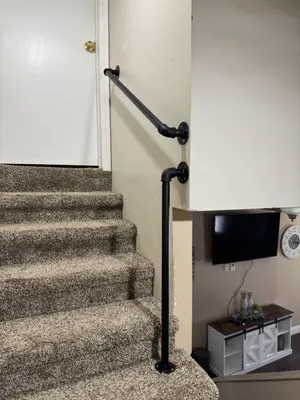
Gill Services is your trusted local handyman and lawn care expert in Larned, KS, specializing in fence and gate installation, painting, staining, and repair, along with comprehensive lawn services. We...
Superior Lawn & Landscape is a trusted, full-service provider serving Hays and the surrounding area. We specialize in creating and maintaining beautiful, resilient outdoor spaces. A common challenge f...
Petz Lawn Care is a trusted Hays, KS lawn service provider specializing in comprehensive solutions for local homeowners. We address common regional landscaping challenges like yard erosion and dying s...
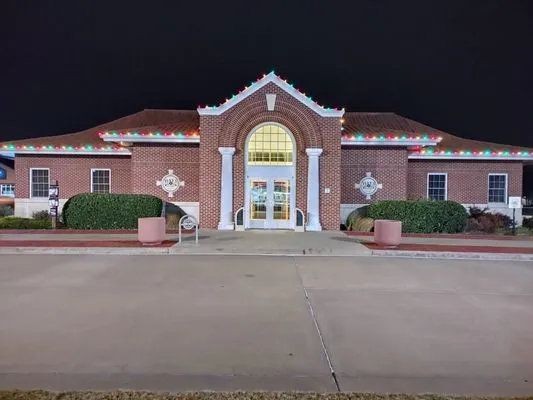
Saint Nick's Snow Plowing & Outdoor Management
Saint Nick's Snow Plowing & Outdoor Management is your trusted, licensed partner for year-round outdoor care in Hays, KS. We're the local professionals you can rely on to transform your property for e...
G & L Landscape
G & L Landscape is a trusted Hays, KS landscaping company specializing in comprehensive lawn care, holiday decorating, and masonry/concrete services. Many homes in the Hays area struggle with bare law...
Flax Lawns & Landscaping is a trusted, locally-owned landscaping company serving Hays, Kansas. We understand the common frustrations homeowners in our area face, like struggling shrubs and inefficient...
Lawn Masters is a trusted landscaping, irrigation, and masonry/concrete company serving Hays, KS homeowners. We specialize in solving common local landscaping challenges like overgrown shrubs and patc...
Darren's Lawn Care
Darren's Lawn Care in Hays, KS is a locally owned and operated landscaping company with 15 years of experience serving the Hays community. Founded by Darren, who holds a Horticulture degree from Kansa...

Cutting Edge Lawn Professionals is a trusted local provider in Victoria, KS, dedicated to maintaining healthy, vibrant lawns for residential and commercial properties. Our team brings reliable experti...
Estimated Landscaping Service Costs in Stockton, KS
FAQs
What solutions address standing water in my yard after heavy rains?
Moderate runoff issues in silt loam soils often stem from clay-pan subsoil layers that impede drainage. Installing permeable local native limestone pathways or patios creates infiltration zones that meet Stockton City Clerk runoff standards. French drains or dry creek beds with gravel layers further redirect water away from structures while maintaining soil integrity.
How do I maintain my Tall Fescue lawn during Stockton's voluntary water conservation periods?
Smart Wi-Fi controllers with soil moisture sensors optimize irrigation by delivering water only when ET rates indicate need. These systems typically reduce water use 30-40% while preserving Kentucky-31 or Turf-Type Tall Fescue health. Programming follows municipal conservation guidelines, preventing runoff and ensuring deep root development even during drier periods.
How quickly can you respond to an HOA violation notice for overgrown vegetation?
Emergency cleanup crews dispatch from the Rooks County Courthouse area via US-24, reaching most Central Stockton properties within 15-20 minutes. We maintain electric equipment fleets that comply with daylight noise ordinances (7 AM-9 PM). For immediate compliance needs, we prioritize same-day service with minimal disruption to neighborhood aesthetics and noise levels.
What alternatives reduce maintenance while supporting local ecology?
Transitioning high-maintenance turf areas to native plantings like Little Bluestem, Switchgrass, and Purple Coneflower creates resilient landscapes. These species require minimal irrigation once established and support pollinator populations. Electric maintenance equipment for these zones stays ahead of evolving noise ordinances while reducing carbon emissions compared to gas-powered alternatives.
Is local limestone or wood better for patio construction in our climate?
Local native limestone offers superior longevity with minimal maintenance compared to wood in Stockton's climate. Its thermal mass moderates temperature extremes while providing fire-resistant defensible space important in Moderate Wildland-Urban Interface zones. Properly installed limestone hardscapes last decades without replacement, unlike wood that requires regular treatment and eventual replacement.
Why does my Central Stockton lawn struggle despite regular watering?
Properties in Central Stockton built around 1956 have 70-year-old soil systems. The silt loam soil (pH 7.5-8.2) common here has likely become compacted over decades, reducing permeability and root penetration. Core aeration every 2-3 years combined with organic amendments like composted manure addresses this compaction. This improves soil structure and water infiltration, creating healthier conditions for Tall Fescue establishment.
What permits and licenses are needed for regrading my 0.25-acre lot?
Grading work exceeding 100 cubic yards requires a permit from Stockton City Clerk/Rooks County Planning. Contractors must hold Kansas Department of Agriculture landscaping licenses for earth moving operations. Professional licensing ensures proper erosion control implementation and adherence to municipal runoff standards. Unlicensed grading risks fines and may void property insurance in drainage-sensitive areas.
How should I handle invasive species without harming my garden?
Common invasive alerts include bindweed and Japanese knotweed in USDA Zone 5b. Manual removal followed by targeted organic herbicides applied during active growth phases proves most effective. Treatment timing avoids Kansas state fertilizer ordinance blackout dates while preventing soil contamination. Regular monitoring prevents re-establishment without disrupting native Leadplant and Aromatic Aster populations.
