Top Landscaping Services in Spring Hill, KS, 66062 | Compare & Call
There are 134 landscaping companies server in Spring Hill KS
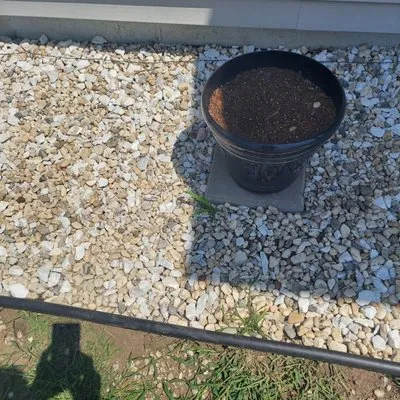
Hernandez Landscaping & Tree is a family-run business serving Lenexa, KS, and surrounding areas. Founded by Eduardo 'Eddy' Hernandez and his brother, the company has grown from a single lawn mower to ...
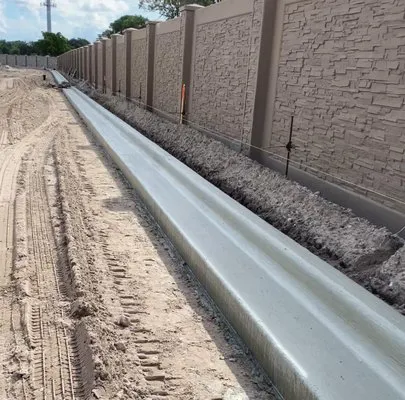
EDQ Landscape & Flat Concrete
EDQ Landscape & Flat Concrete is a Lenexa-based company specializing in comprehensive landscaping and concrete services for residential and commercial properties. With expertise in artificial turf ins...
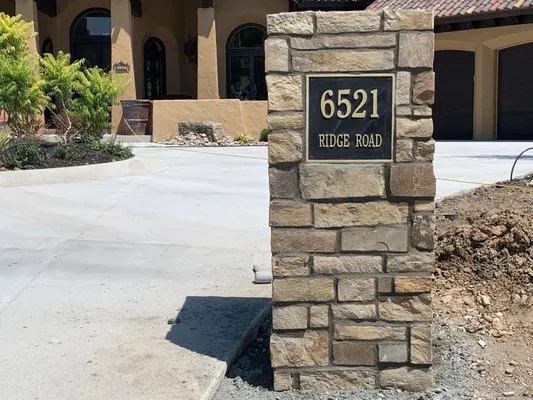
Founded by Alex and Pedro, Orange Landscaping brings over eight years of dedicated experience to Kansas City, KS. We specialize in creating and maintaining beautiful, functional outdoor spaces, from c...
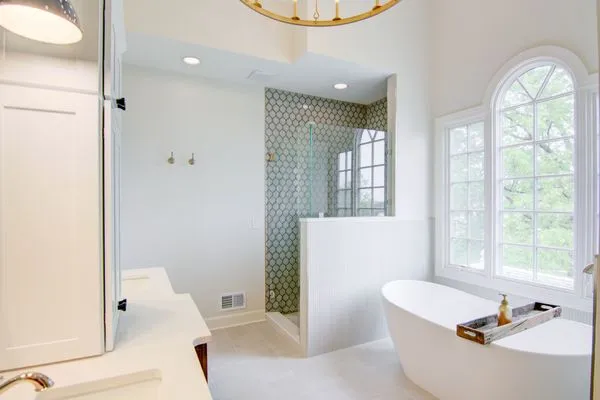
KCBR Design Remodel
KCBR Design Remodel was founded by Anthony, an entrepreneur whose career in landscaping, home flipping, and remodeling evolved into a passion for residential transformation. Based in Lenexa, KS, Antho...
Greentouch Lawn & Tree has been a trusted part of the Topeka community since 2007, building a reputation for dependable, environmentally conscious landscaping and tree care. We are a professional team...
Grizzly Landscape
Grizzly Landscape provides comprehensive outdoor solutions for properties in Garnett, KS, specializing in landscaping, masonry, concrete, and excavation. Our experienced team is dedicated to building ...
AJ's Landscaping is a dedicated, locally-owned service in Overland Park, KS, focused on providing friendly and affordable lawn care for the community. I'm a teenager passionate about learning the land...
Curby's Lawn & Garden is a trusted, family-owned landscaping and irrigation company serving Gardner, Olathe, Shawnee, and surrounding Johnson County communities since 1984. We specialize in transformi...

Brian, the owner of Green Head Turf Systems LLC, brings over a decade of dedicated expertise to lawns and landscapes across Olathe and Johnson County. A Kansas State University horticulture graduate, ...
K-B's Lawn Care is your trusted Olathe partner for year-round outdoor care, specializing in landscaping, irrigation, and snow removal. We understand the unique challenges local homeowners face, such a...
Estimated Landscaping Service Costs in Spring Hill, KS
Q&A
Why does my contractor need a special license just to regrade my backyard?
Significant grading alters water runoff patterns, impacting neighboring properties and municipal storm systems. For a 0.25-acre lot, such work typically requires a permit from the Spring Hill Planning & Zoning Department to ensure compliance with erosion control and drainage plans. In Kansas, the law mandates that any business offering horticultural services, including landscape construction and grading, must hold a current license from the Kansas Department of Agriculture. This licensing verifies insurance, technical knowledge, and adherence to state regulations, protecting you from liability and substandard work.
Can I have a green lawn while following the city's water conservation rules?
Yes, using smart Wi-Fi ET-based controllers is the standard method for compliance. These systems adjust watering schedules daily based on local evapotranspiration data, rainfall, and soil moisture, applying water only when Tall Fescue truly needs it. This precision prevents overwatering, which is critical under Stage 1 voluntary conservation and for managing Spring Hill's clay-heavy soils that hold water. Properly programmed, these controllers maintain turf health while reducing potable water use by 20-30%.
How quickly can you respond to an urgent HOA violation notice for overgrown landscaping?
We prioritize emergency compliance calls with dispatch from our central staging area near Spring Hill City Park. Using US-169, our electric fleet can typically reach most Spring Hill Proper addresses within 20-30 minutes, even during peak traffic. The initial response involves a rapid assessment and immediate mowing or trimming to mitigate violation risks, followed by a scheduled visit for a full corrective maintenance plan.
My yard turns into a soggy mess every spring. What's the long-term fix?
Seasonal saturation is a direct result of the high clay content in local silt loam soils, which drastically slows percolation. The solution integrates subsurface and surface strategies. Installing a French drain system tied to a dry well addresses subsurface water, while regrading to create positive slope away from foundations is crucial. For patios or paths, using permeable crushed limestone as a hardscape material increases surface infiltration and can help projects meet Spring Hill Planning & Zoning Department runoff management standards.
What are the most aggressive weeds here, and how do I deal with them safely?
In Spring Hill, invasive species alerts typically include Sericea Lespedeza and Johnsongrass, which thrive in disturbed soils. Effective management requires a targeted, seasonal approach. For Sericea Lespedeza, a late-summer application of a selective herbicide is most effective, while Johnsongrass requires persistent digging to remove rhizomes. All treatments near waterways or drainage ditches must use phosphorus-free products to comply with local ordinance, and applications are timed to avoid blackout dates for protecting aquatic ecosystems.
I'm tired of weekly mowing and gas-powered noise. Are there quieter, lower-maintenance options?
Transitioning to a climate-adaptive landscape with native plants significantly reduces maintenance and noise. Species like Purple Coneflower, Little Bluestem, Butterfly Milkweed, and Wild Bergamot are adapted to Zone 6a conditions, requiring minimal water once established and no regular mowing. This shift preempts tightening noise ordinances limiting gas blowers and mowers. An electric maintenance fleet, used for occasional upkeep of these plantings, operates quietly within allowable hours and eliminates emissions.
Why is my lawn so compacted and unhealthy compared to older neighborhoods?
Homes built in 2002, like many in Spring Hill Proper, have soils about 24 years old, which is insufficient time for mature topsoil development. Construction practices typically strip native topsoil, leaving subsoil dominated by silt loam and clay. This base material has low permeability, leading to compaction and poor root penetration. Core aeration in spring and fall, combined with incorporating 1/4-inch compost, is essential to build organic matter and improve soil structure.
Is crushed limestone a better choice than wood for a new patio or pathway?
For durability and fire resilience, crushed limestone is superior to wood in our climate. It provides a stable, permeable surface that withstands freeze-thaw cycles without rotting or warping. From a Firewise USA perspective, using non-combustible materials like limestone for patios and pathways within the first 30 feet of your home creates critical defensible space, contributing to the community's Moderate fire risk rating. Its light color also helps reduce urban heat island effect compared to asphalt or pavers.
