Top Landscaping Services in Silver Lake, KS, 66539 | Compare & Call

There are 52 landscaping companies server in Silver Lake KS
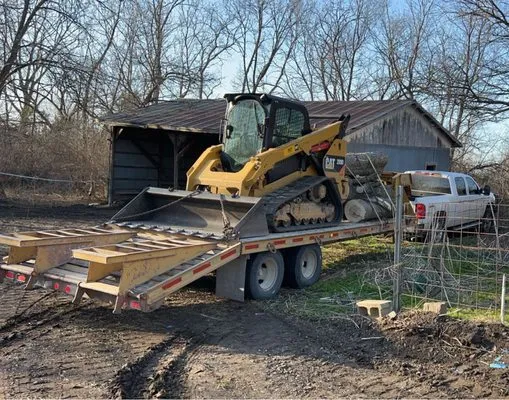
SD Excavating & Land Clearing is a trusted local contractor serving Meriden, KS, and surrounding areas. We specialize in comprehensive excavation, land clearing, and landscaping services to help homeo...
Savage Lawns is a locally owned and operated lawn care business in Topeka, KS, founded by Cale Savage, a student athlete at Washburn University. With a background in athletics and lifelong experience ...
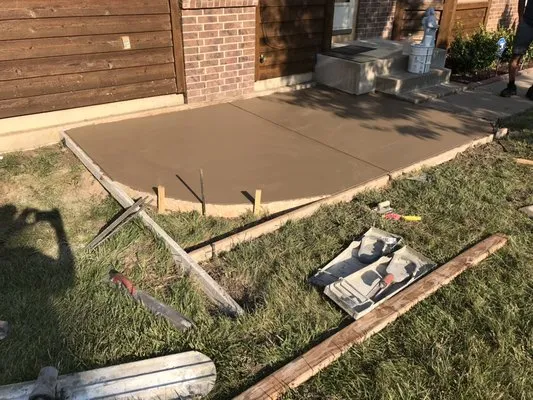
Topeka's Affordable Lawn Care
Topeka's Affordable Lawn Care LLC is a locally owned and operated business that grew from a personal passion into a trusted community service. Founded by someone who genuinely loves the outdoors, gard...
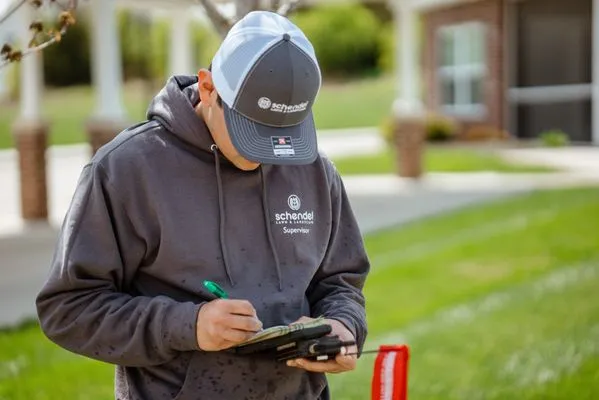
Schendel Lawn & Landscape
For nearly 40 years, Schendel Lawn & Landscape has been a trusted name in Topeka, dedicated to enriching our community by creating and maintaining beautiful, functional outdoor spaces. As a locally-ow...
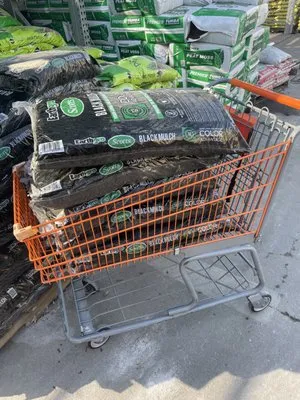
Lawn & Landscaping By Brandon is a locally owned and operated service in Topeka, KS, dedicated to enhancing and maintaining your property. We combine years of hands-on experience with a practical unde...
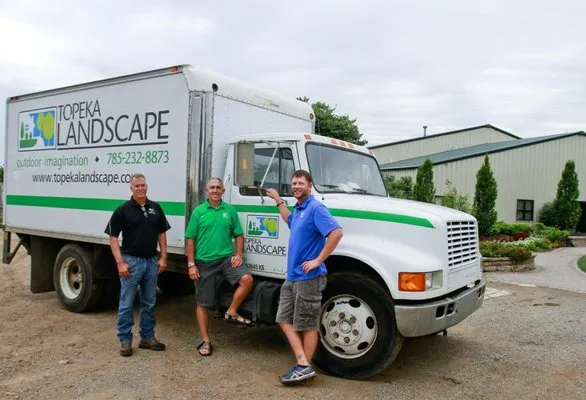
Topeka Landscape
Founded in 1994, Topeka Landscape is a locally owned and operated company dedicated to turning outdoor dreams into reality for homeowners and businesses across the Topeka area. Our foundation is built...
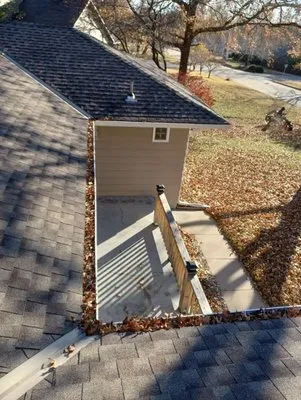
Eben Ezer Landscaping is a trusted, locally-owned landscaping and snow removal company serving Topeka, Kansas. We specialize in comprehensive snow removal services to keep your property safe and acces...
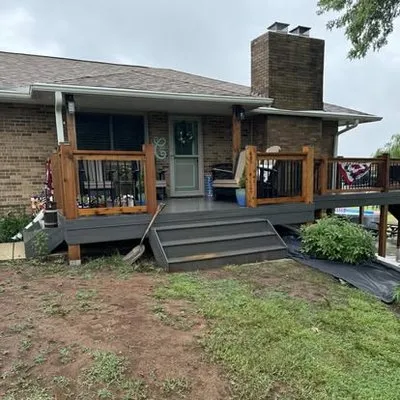
Prime Gravel LLC is a veteran-owned and operated small business based in Topeka, KS, specializing in gravel and mulch services for residential properties. Founded by locals who understand the area's s...
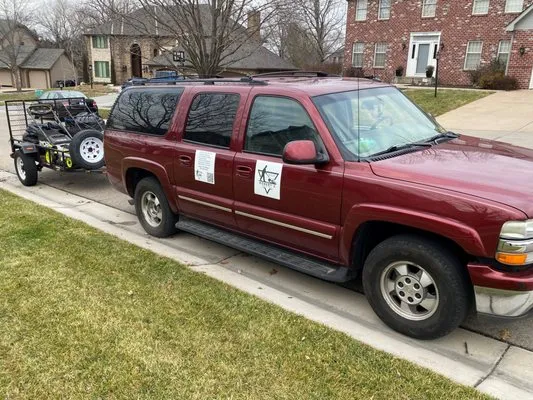
Hello, Topeka! I'm Robert McCanliss, a lifelong resident, and this is my son Myles. This summer, we decided to turn our shared passion for the outdoors into Robert's Mowing. More than just a business,...
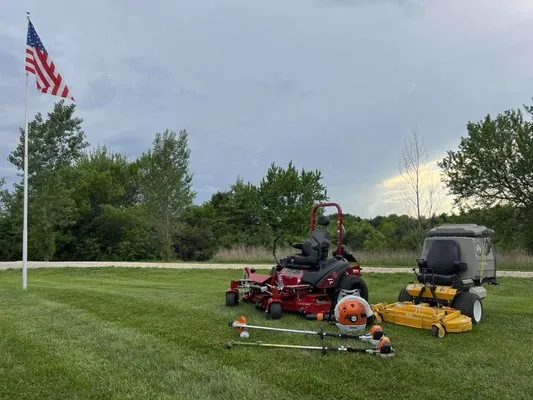
LMK Lawn Care is your Topeka neighbor for reliable lawn services. As a locally owned and operated company, we build our business on trust and consistent, quality work for homes across the community. O...
Estimated Landscaping Service Costs in Silver Lake, KS
Common Questions
Why does my Silver Lake yard have such dense, compacted soil that struggles to absorb water?
Silver Lake Residential Core properties built around 1972 have 54-year-old soil profiles that have matured into silty clay loam with pH 6.8-7.2. This soil type naturally compacts over decades, reducing permeability to 0.1-0.2 inches per hour. Core aeration every 2-3 years combined with 2-3 inches of organic compost addresses compaction while maintaining neutral pH for optimal nutrient availability. Soil testing through Kansas State Extension confirms whether sulfur amendments might be needed for specific planting beds.
How should I manage invasive species like Japanese knotweed without violating fertilizer regulations?
Early spring identification of invasive species allows targeted treatment before they establish. For Silver Lake's Moderate Firewise rating, manual removal followed by organic pre-emergent applications avoids phosphorus runoff concerns. State BMP guidelines permit spot treatments with glyphosate alternatives during active growth periods, avoiding blackout dates typically in late summer. Monitoring for 2-3 seasons ensures complete eradication while planting competitive natives like Little Bluestem creates biological barriers against reinfestation.
What licensing and permits are required for grading and drainage work on my quarter-acre Silver Lake property?
Grading that alters water flow patterns requires a Shawnee County Planning & Development permit, with engineered plans for slopes exceeding 3:1. Contractors must hold Kansas Department of Agriculture landscaping license #00321 for earth moving exceeding 50 cubic yards. On 0.25 acre lots, this typically involves certification of proper compaction (95% Proctor density) and erosion control measures. Professional licensing ensures compliance with state BMP guidelines and protects against liability for downstream water damage from improperly executed work.
What native planting strategies reduce maintenance while preparing for potential gas equipment restrictions?
Replacing 30-50% of Tall Fescue with Purple Coneflower, Little Bluestem, Butterfly Milkweed and New England Aster creates biodiverse landscapes requiring minimal intervention. These Zone 6a natives establish deep root systems within 2-3 growing seasons, eliminating weekly mowing and reducing irrigation needs by 60-80%. Battery-powered equipment maintains these plantings quietly under 70dB limits, while the dense foliage suppresses weeds naturally. This approach aligns with 2026 biodiversity standards and reduces carbon emissions from maintenance activities.
How do smart irrigation systems help maintain Tall Fescue turf during Kansas summers without wasting water?
Wi-Fi ET-based controllers calculate evapotranspiration rates specific to Silver Lake's Zone 6a climate, adjusting runtime based on real-time weather data. These systems typically reduce water use 20-30% compared to traditional timers while maintaining Tall Fescue's 1-2 inch weekly water needs. During Stage 0 restrictions, programming follows municipal guidelines with soil moisture sensors preventing irrigation during rainfall. Properly calibrated systems deliver 0.5-0.75 inches per watering event, promoting deeper root growth and drought tolerance.
Why choose limestone veneer and permeable pavers over wood for Silver Lake hardscaping projects?
Limestone veneer provides 50+ year durability with minimal maintenance, compared to wood's 10-15 year lifespan requiring regular treatment. For Silver Lake's Moderate Firewise USA rating, non-combustible materials create defensible space within 30 feet of structures. Permeable paver systems meet Shawnee County runoff standards while reducing heat island effect. These materials withstand Zone 6a freeze-thaw cycles without cracking, and their neutral tones complement the region's native limestone outcroppings naturally.
How quickly can you respond to emergency storm damage or HOA compliance notices in Silver Lake?
Our electric maintenance fleet dispatches from Silver Lake City Park within 15 minutes of notification, using US-24 for direct arterial access. During peak traffic conditions, arrival at Silver Lake Residential Core properties occurs within 20-30 minutes. We prioritize safety assessments first, then implement temporary stabilization measures before full cleanup. This response protocol meets most HOA 72-hour compliance windows while maintaining under 70dB noise limits with battery-powered equipment.
What solutions address the moderate runoff and clay saturation problems in Silver Lake yards?
Silty clay loam's slow permeability (0.1-0.2 in/hr) causes surface ponding during heavy rains. Installing French drains with clean gravel and landscape fabric redirects water away from foundations. Permeable pavers approved by Shawnee County Planning & Development allow 3-5 inches per hour infiltration, reducing runoff volume by 50-70%. Grading slopes at 2% minimum directs water toward drainage swales planted with deep-rooted natives that absorb excess moisture while meeting municipal stormwater requirements.
