Top Landscaping Services in Satanta, KS, 67870 | Compare & Call
There are 35 landscaping companies server in Satanta KS
Illoldi and Illoldi Lawn Firm is a trusted, family-owned lawn care provider serving Rolla, KS, and the surrounding communities. We specialize in comprehensive lawn care services designed to keep your ...
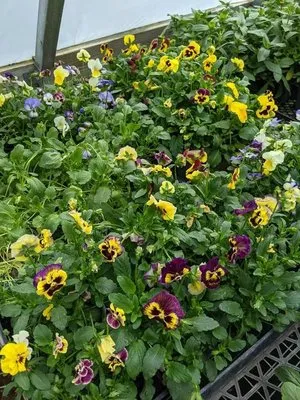
Koehn's Country Gardens in Ulysses, Kansas, is a locally-owned resource for comprehensive property care and beautification. We provide professional lawn maintenance, thorough property clean-up, and ex...
Coleman Sprinkler Lawn & Lands is a trusted lawn care provider serving Syracuse, KS, and the surrounding area. We specialize in comprehensive lawn services designed to address common local landscaping...
Terrones Landscaping is your trusted local partner for maintaining a beautiful and healthy outdoor space in Hugoton, KS. We understand the unique challenges homeowners face here, from stubborn overgro...
Justin and Sons is a family-run service business based in Deerfield, KS, founded by Justin Volden and his son. They provide a wide range of practical home and property maintenance services to help res...
Estimated Landscaping Service Costs in Satanta, KS
Q&A
How do we maintain Buffalograss or Tall Fescue during Stage 1 water restrictions?
Smart Wi-Fi ET-based controllers adjust irrigation schedules daily based on actual evapotranspiration rates, reducing water use by 20-30% compared to traditional timers. These systems account for local weather data, soil moisture sensors, and plant water needs specific to USDA Zone 6b. For Buffalograss, this means deeper, less frequent watering that encourages drought tolerance, while Tall Fescue benefits from precise moisture management during heat stress. This approach maintains turf health while supporting voluntary conservation goals.
Heavy rain causes pooling in our yard. What drainage solutions work with Richfield Silt Loam?
Richfield Silt Loam's moderate runoff and low permeability require engineered solutions that increase infiltration rates. Permeable installations using local Sandstone or Crushed Limestone create subsurface drainage channels while meeting Haskell County Planning & Zoning runoff standards. French drains with gravel layers, dry creek beds, and graded swales redirect water flow without creating erosion hazards. These systems work with the soil's natural characteristics rather than against them, preventing saturation during intense rainfall events.
We need emergency storm cleanup to meet HOA requirements. How quickly can you respond to Downtown Satanta?
Our electric maintenance fleet can dispatch from Satanta City Park within 15 minutes, traveling via US Highway 56 to reach most Downtown Satanta locations in 20-30 minutes during peak conditions. This rapid response time accommodates municipal quiet hours while ensuring compliance with post-storm cleanup requirements. Our equipment operates within noise ordinances, allowing work during standard hours without disturbing neighbors.
Our soil seems compacted and doesn't absorb water well. What's the issue with older Downtown Satanta properties?
Properties built around 1971 have 55-year-old soil systems that have experienced decades of compaction from foot traffic and equipment. Richfield Silt Loam naturally has low permeability, and over time this creates dense layers that restrict root growth and water infiltration. Core aeration with organic amendments like composted manure addresses this by improving soil structure and introducing beneficial microorganisms. This treatment is particularly effective for the alkaline pH range of 7.5-8.2 common in this neighborhood.
We're seeing invasive species in our landscape. How do we treat them without violating fertilizer regulations?
Common invasive alerts in this region include Johnsongrass and Field Bindweed, which compete with native vegetation for resources. Mechanical removal during early growth stages followed by targeted organic herbicides avoids the state nutrient management ordinance's winter application restrictions. Introducing competitive native species creates ecological pressure against reinfestation while improving soil health through mycorrhizal associations. This integrated approach manages invasives without chemical dependency or regulatory violations.
What alternatives exist for high-maintenance turf that reduce noise and water use?
Transitioning to native plantings like Little Bluestem, Sideoats Grama, Purple Coneflower, and Maximilian Sunflower creates resilient landscapes requiring minimal irrigation and no gas-powered maintenance. These species have deep root systems that improve soil structure and support local pollinators while providing year-round visual interest. Electric equipment handles any necessary trimming within noise ordinance parameters, and the reduced mowing frequency decreases both carbon emissions and operational costs. This approach aligns with emerging 2026 biodiversity standards for residential properties.
Should we use wood or stone for new patio construction considering fire safety?
Local Sandstone and Crushed Limestone offer superior longevity and fire resistance compared to wood, with lifespans exceeding 50 years versus wood's 10-15 year replacement cycle. These materials maintain structural integrity in USDA Zone 6b temperature extremes while contributing to the Moderate Fire Wise rating's required 30-foot defensible space. Stone hardscapes don't combust, don't require chemical treatments, and provide permanent firebreaks that protect structures. Their thermal mass also moderates microclimate temperatures around your home.
What permits and licensing are needed for grading work on our quarter-acre lot?
Grading that alters water flow patterns or changes elevation by more than 12 inches requires approval from Haskell County Planning & Zoning, with specific requirements for erosion control during construction. Contractors must hold appropriate licensing through the Kansas Department of Agriculture, which verifies competency in soil management and drainage engineering. On 0.25-acre lots, even minor grading can significantly impact neighboring properties and municipal stormwater systems, making professional oversight essential for compliance and preventing future liability issues.
