Top Landscaping Services in Saint Marys, KS, 66536 | Compare & Call

There are 60 landscaping companies server in Saint Marys KS
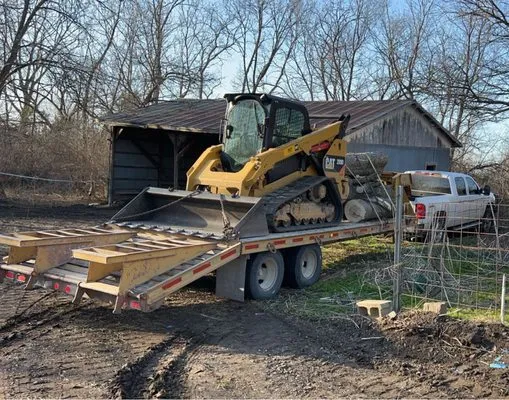
SD Excavating & Land Clearing is a trusted local contractor serving Meriden, KS, and surrounding areas. We specialize in comprehensive excavation, land clearing, and landscaping services to help homeo...
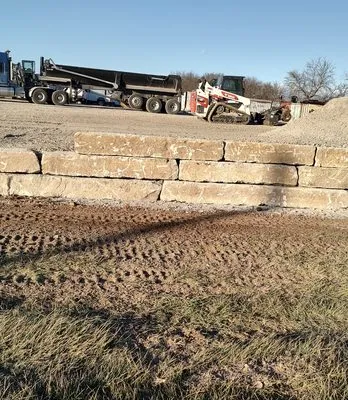
Frontier Native Stone is a locally owned and operated business in Alma, KS, specializing in general contracting, landscaping, and excavation services. We provide beautiful, natural tan limestone from ...
Savage Lawns is a locally owned and operated lawn care business in Topeka, KS, founded by Cale Savage, a student athlete at Washburn University. With a background in athletics and lifelong experience ...
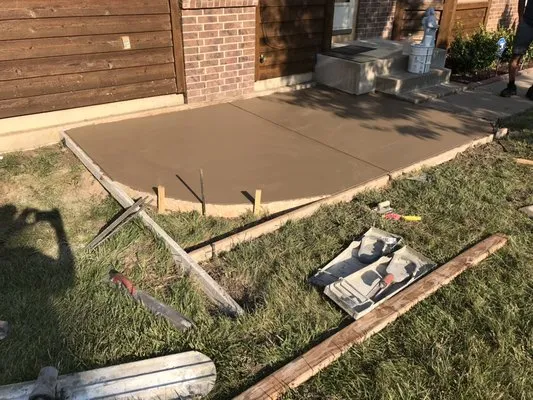
Topeka's Affordable Lawn Care
Topeka's Affordable Lawn Care LLC is a locally owned and operated business that grew from a personal passion into a trusted community service. Founded by someone who genuinely loves the outdoors, gard...
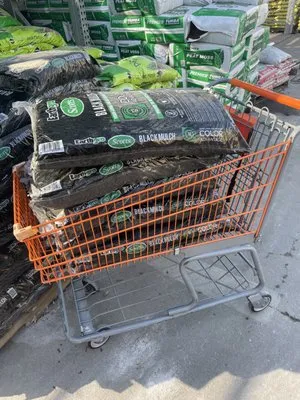
Lawn & Landscaping By Brandon is a locally owned and operated service in Topeka, KS, dedicated to enhancing and maintaining your property. We combine years of hands-on experience with a practical unde...
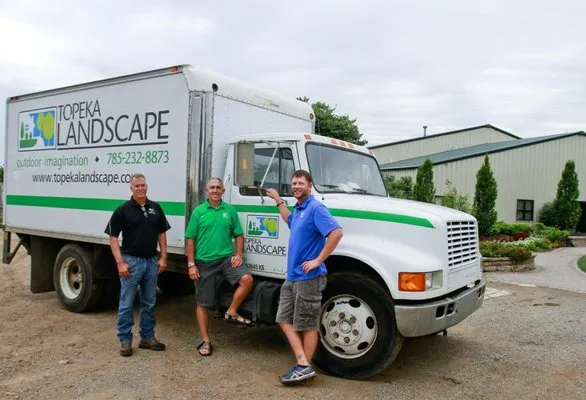
Topeka Landscape
Founded in 1994, Topeka Landscape is a locally owned and operated company dedicated to turning outdoor dreams into reality for homeowners and businesses across the Topeka area. Our foundation is built...
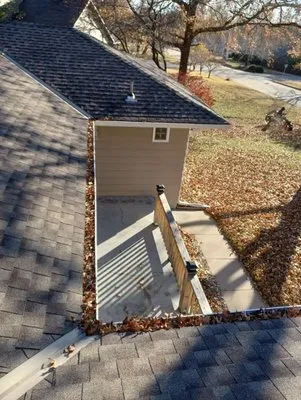
Eben Ezer Landscaping is a trusted, locally-owned landscaping and snow removal company serving Topeka, Kansas. We specialize in comprehensive snow removal services to keep your property safe and acces...
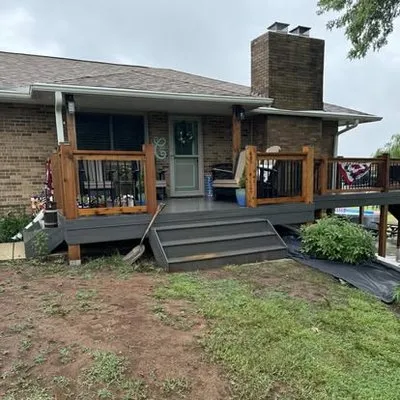
Prime Gravel LLC is a veteran-owned and operated small business based in Topeka, KS, specializing in gravel and mulch services for residential properties. Founded by locals who understand the area's s...
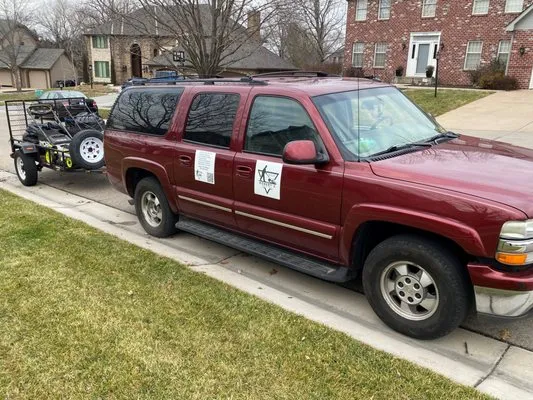
Hello, Topeka! I'm Robert McCanliss, a lifelong resident, and this is my son Myles. This summer, we decided to turn our shared passion for the outdoors into Robert's Mowing. More than just a business,...
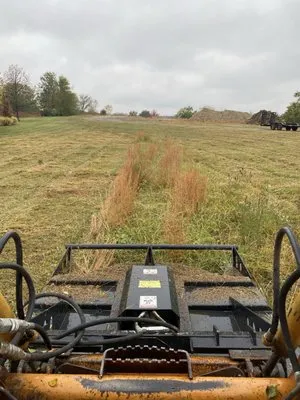
With 24 years of experience in the construction industry, M's Skid Steer Work brings deep expertise to every project in Topeka, KS. Starting from years of hands-on work, the business now focuses on he...
Estimated Landscaping Service Costs in Saint Marys, KS
Frequently Asked Questions
My yard floods and stays soggy after rains. What's a lasting fix?
Moderate runoff and clay saturation are common here due to the low permeability of silty clay loam. A graded French drain system, directing water away from foundations, is often necessary. For hardscape additions, using permeable limestone pavers instead of solid concrete allows water to infiltrate directly, reducing surface runoff. Any such system must be designed to meet the City of Saint Marys Planning & Zoning standards for stormwater management to prevent off-property flow issues.
What's your fastest response for storm damage or an urgent HOA violation notice?
For emergency cleanup, our dispatch prioritizes Saint Marys with a route from the Kaw Valley State Bank directly onto US-24, ensuring a 20 to 30-minute arrival during peak hours. We operate a fully electric maintenance fleet, which complies with local noise nuisance ordinances while allowing for immediate morning deployment. Our crews are equipped to secure hazards, clear debris, and perform a rapid initial assessment to bring your 0.25-acre property into compliance without delay.
Are limestone patios better than wood decks for our area?
Limestone is a superior long-term investment for Saint Marys. It is a native material with exceptional durability against freeze-thaw cycles, requires no sealing or staining, and has a permeability that mitigates runoff. Compared to wood, it does not rot, warp, or attract pests. In the context of a Moderate Firewise Rating for rural interface zones, non-combustible limestone patios also contribute to defensible space by creating a fire-resistant break between vegetation and your home's structure.
Why does my yard seem to repel water, and why is the soil so hard to dig in?
Homes in the Saint Marys Historic District, built around 1968, have soils with nearly 60 years of compaction from construction and standard maintenance. This area's silty clay loam, with its naturally high pH of 7.2-7.5, becomes dense and impermeable when compacted, limiting root growth and water infiltration. Core aeration, performed in early fall or spring, is critical to break up this pan. Following aeration, amending with 1/4 inch of compost will improve soil structure, microbial activity, and nutrient availability for your Tall Fescue.
What permits and credentials should I verify before hiring for a major grading project?
Any significant earthwork or grading on a 0.25-acre lot requires proper licensing and permits. The contractor must hold a current license with the Kansas Department of Agriculture for landscape architecture or contracting. The project plans, especially those altering drainage patterns, will likely need review and a permit from the City of Saint Marys Planning & Zoning office to ensure compliance with local codes and watershed protection. Never proceed without verifying these credentials, as unpermitted work can lead to costly fines and remediation orders.
I want to reduce mowing, noise, and water use. What should I plant?
Transitioning high-maintenance turf to a climate-adaptive xeriscape with Kansas natives is a forward-thinking strategy. Species like Purple Coneflower, Little Bluestem, Butterfly Milkweed, and Leadplant are deeply rooted, drought-tolerant, and support local biodiversity. This landscape drastically reduces the need for weekly mowing and watering, and it aligns with evolving municipal noise ordinances that increasingly restrict gasoline-powered blowers and mowers. The resulting habitat is both ecologically sound and visually coherent with the regional prairie character.
What invasive weeds should I watch for, and how do I control them safely?
In USDA Zone 6a, be vigilant for invasive species like musk thistle, bindweed, and Japanese knotweed. Management requires a targeted, integrated approach. For broadleaf weeds, a selective post-emergent herbicide applied in late spring or early fall is effective, but you must strictly adhere to state BMP guidelines which prohibit any phosphorus application on frozen ground. For perennial invaders, careful manual removal or targeted spot-treatment is necessary to preserve the integrity of your native plantings and soil biology.
How can I keep my lawn green during summer without violating water conservation rules?
Under Stage 1 voluntary conservation, efficient water use is paramount. A Wi-Fi ET-based weather-sensing irrigation system is the standard solution, automatically adjusting schedules based on real-time evapotranspiration data from local weather stations. This technology prevents overwatering by applying only the precise amount needed to maintain Tall Fescue health, which is about 1 to 1.5 inches per week. This approach maximizes percolation into our clay-based soils while staying well within municipal guidance, preserving water resources.
