Top Landscaping Services in Russell, KS, 67665 | Compare & Call
There are 200 landscaping companies server in Russell KS
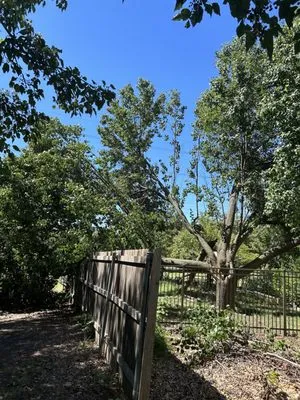
Wichita Tree Service
Wichita Tree Service is a locally owned and operated business serving our community since 2012. Founded by Wichita native Robert Phillips, we're built on the principles of honesty, hard work, and fair...
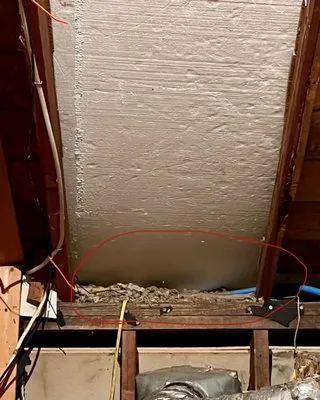
Those Pest Solutions is a locally owned and operated business in Hesston, KS, founded by a pest management professional with extensive national experience. After years working for a large national com...

Dixon Lawn Care is your local Hutchinson expert for comprehensive lawn and irrigation solutions. We understand the common local challenges homeowners face, such as standing water in yards and persiste...

Scott's Professional Landscape
Scott's Professional Landscape is a Hutchinson-based company serving central Kansas with comprehensive outdoor solutions. We specialize in landscaping, irrigation, and snow removal, offering services ...

Sallee Lawn Care is your trusted South Hutchinson neighbor for year-round property care. We specialize in professional lawn services, expert snow removal, and comprehensive irrigation solutions. We un...

C&R Lawn Services is a trusted, locally-owned lawn care provider serving Hutchinson, Kansas and the surrounding areas. We specialize in comprehensive lawn care solutions designed to address common loc...
Lackey's Landscaping in Hutchinson, KS is a locally owned landscaping company with over 15 years of experience serving both residential and commercial properties. Led by owner Greg Lackey, a Kansas ce...
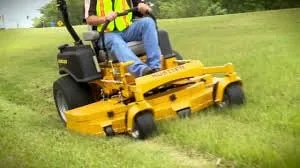
Midwest Lawn & Sprinkler is a family-owned and operated landscaping and irrigation company serving Hutchinson, Wichita, and surrounding Kansas communities since 2010. Founded by Steve Barber, who brin...
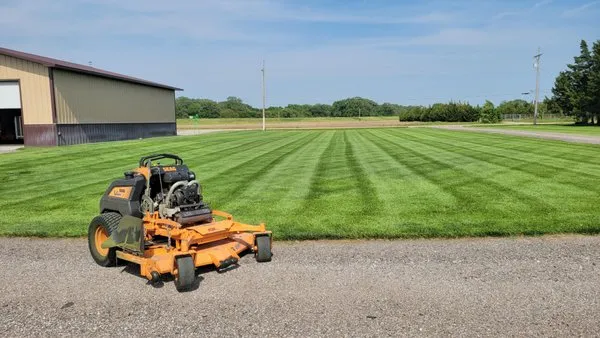
Jason's Total Lawn Care
Jason's Total Lawn Care has been a trusted Hutchinson lawn service since 1997, built from a childhood passion for mowing neighborhood lawns. Now 40 years old, Jason has turned that early interest into...

Brawner Landscaping is a full-service landscaping company serving Hutchinson, KS, and the surrounding area. We understand that local homeowners often face challenges with overgrown shrubs and dead or ...
Estimated Landscaping Service Costs in Russell, KS
Frequently Asked Questions
Why does my Russell Residential Historic District yard drain so slowly?
Homes in this district, averaging 70 years old, have had decades for silty clay loam to compact under foot and equipment traffic. This soil type naturally has low permeability, and 70 years of maturation has significantly reduced pore space, limiting water percolation. Core aeration each fall, paired with incorporating 2-3 inches of compost, is essential to rebuild soil structure and mitigate the heavy clay compaction characteristic of these established lots.
What permits and licenses are needed for regrading my backyard?
Significant regrading on a 0.22-acre lot typically requires an erosion control permit from the Russell City Building & Zoning Department to manage sediment runoff. Furthermore, any contractor performing this work must hold appropriate licensing through the Kansas Department of Agriculture, which regulates landscape architecture and contracting to ensure adherence to state environmental and professional standards.
How fast can you respond to a storm damage or HOA compliance issue?
For emergency cleanup or compliance work, we dispatch from our central staging area near the Deines Cultural Center. Using I-70 for primary access, our electric fleet can typically reach any point in the Russell Residential Historic District within the 15-20 minute public works response window, ensuring timely mitigation of safety hazards or ordinance violations.
My yard pools water after heavy rain. What's a lasting solution?
Moderate runoff in silty clay loam soils requires interventions that address both surface and subsurface flow. Installing a French drain system tied to a dry well is often necessary. For new hardscape, specify permeable base materials beneath native limestone veneer patios or walkways; this meets Russell City Building & Zoning Department runoff standards by allowing infiltration rather than contributing to stormwater volume.
How can I keep my Tall Fescue healthy under Stage 1 water restrictions?
Smart Wi-Fi controllers with ET-based scheduling are the standard for Russell's voluntary conservation stage. These systems automatically adjust runtime based on local evapotranspiration data, weather forecasts, and soil moisture, applying water only when and where needed. This technology can reduce irrigation volume by 20-30% compared to traditional timers, maintaining turf health while strictly adhering to municipal water conservation goals.
I've spotted invasive bindweed. How do I handle it safely?
Bindweed is a pervasive alert in this area. For established infestations, a targeted systemic herbicide applied to actively growing foliage in late spring is most effective. This must be done well outside the state ordinance's phosphorus blackout dates and never on frozen ground. For organic management, persistent smothering with cardboard and deep mulch, coupled with vigilant hand-pulling before seed set, can provide control over several seasons.
Is native limestone a better choice than wood for a new patio?
Native limestone veneer offers superior longevity and fire resilience compared to wood. Its mineral composition is non-combustible, contributing directly to the defensible space required by Firewise USA Community Standards for moderate-risk zones. While the initial cost is higher, limestone requires no sealing, staining, or replacement, providing a permanent, low-maintenance structure that integrates seamlessly with the local landscape.
What are low-maintenance alternatives to my high-input lawn?
Transitioning to a xeriscape anchored by regionally native plants like Little Bluestem, Purple Coneflower, and Buffalograss dramatically reduces water, mowing, and chemical inputs. This established palette is adapted to Zone 6a and Russell's alkaline soils. Furthermore, it supports 2026 biodiversity standards and future-proofs your property against tightening noise ordinances that will restrict gas-powered blowers and mowers.
