Top Landscaping Services in Riverside, KS, 67037 | Compare & Call
There are 179 landscaping companies server in Riverside KS

Dirt Girl Cleaning is your trusted, locally-owned partner in Wichita for tackling common outdoor challenges. We understand that Wichita weather can leave your property with bare lawn patches and scatt...
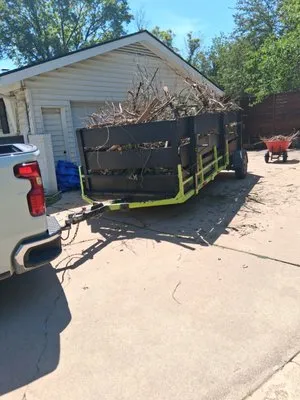
Make It Happen is a trusted, multi-service provider in Wichita, KS, specializing in junk removal & hauling, lawn services, and moving. We understand that many Wichita homeowners face common landscapin...

Weed Man in Goddard, KS, is your local partner for a healthy, resilient lawn. We understand that Goddard homeowners face specific challenges like soil compaction and dying shrubs, which can rob your y...
S & L Lawn and Services is a trusted, locally-owned lawn care company serving homeowners across Wichita, KS. We understand the unique challenges of our region, from compacted soil that stifles healthy...
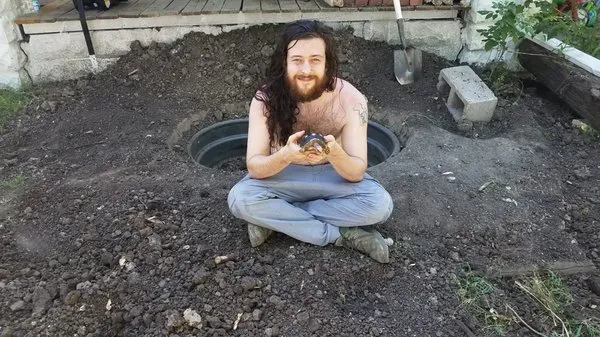
Collier's Aquatics is a Wichita-based company specializing in comprehensive aquarium services and professional landscaping solutions. We help local homeowners and businesses maintain vibrant aquatic e...
Text A Cut in Wichita, KS, is a locally owned and operated home services company dedicated to helping residents maintain their properties with ease. We provide reliable lawn care, including mowing, ed...
A&V House And Lawn Service is a Wichita-based lawn care provider founded on clear communication, dedicated work ethic, and genuine care for the community. As a hardworking local business, we focus on ...
Me Mow Lawn Care is a dedicated local provider serving Wichita, KS, focusing on reliable lawn maintenance and health. We understand the unique challenges Wichita homeowners face, such as post-storm de...
Kota's Lawn Care is a trusted lawn service provider dedicated to serving homeowners across Wichita, KS. We specialize in comprehensive lawn care designed to tackle the region's most common and frustra...
Estimated Landscaping Service Costs in Riverside, KS
Question Answers
How quickly can a crew respond for an emergency tree limb removal to meet HOA compliance?
For urgent situations like storm-damaged limbs, our standard dispatch from our staging area near Riverside Park utilizes I-35 for direct access to Riverside Heights. Accounting for typical mid-day traffic variables, we target a 20-30 minute arrival window for peak storm response. This allows for rapid assessment and safe removal to mitigate hazard and restore property safety promptly.
How can I maintain my Tall Fescue lawn during Riverside's Stage 1 water conservation without wasting water?
Implementing a Wi-Fi ET-based irrigation controller is the most effective strategy. This technology uses local evapotranspiration data to schedule watering only when needed, directly replacing moisture lost to sun and wind. It automatically adjusts for rainfall, preventing overwatering and keeping your Tall Fescue healthy while adhering to voluntary conservation goals. This precise approach often uses less water than a fixed timer schedule.
Why does my 1980s-era Riverside Heights yard have such poor, compacted soil?
Properties built around 1982, like many in Riverside Heights, have soil approximately 44 years in development from initial construction. The native Silty Clay Loam common here was often stripped and compacted during building, limiting biological activity and permeability. This legacy compaction impedes root growth and water infiltration, making core aeration and incorporation of composted organic matter critical interventions to rebuild soil structure and function.
Do I need a permit to regrade my backyard, and what kind of professional should I hire?
Yes, significant grading on a 0.22-acre lot typically requires a permit from the Riverside City Planning & Zoning Department to ensure proper drainage and compliance with codes. For this work, you must hire a contractor licensed by the Kansas Department of Agriculture for soil erosion and sediment control. This licensing ensures the professional is trained in best management practices to prevent off-site environmental damage during earth-moving operations.
My yard has persistent puddling and runoff. What's a long-term solution for my Silty Clay Loam soil?
Moderate runoff in Silty Clay Loam is primarily due to low permeability from compaction. Beyond soil aeration, replacing impervious surfaces with Permeable Concrete Pavers is a strategic solution. These pavers allow stormwater to infiltrate directly into the subsoil, reducing surface flow and meeting Riverside City Planning & Zoning Department standards for onsite management. Integrating these with shallow grading and rain gardens can effectively redirect water.
I want a lower-maintenance, quieter landscape. What are my options beyond weekly mowing?
Transitioning high-input turf areas to a planting of Riverside-native species like Purple Coneflower, Little Bluestem, Butterfly Milkweed, and Wild Bergamot creates a resilient, biodiverse landscape. These deep-rooted plants require no regular mowing, minimal watering once established, and provide critical habitat. This shift also reduces dependency on gasoline-powered equipment, aligning with evolving municipal noise ordinances that restrict early morning gas blower use.
Are permeable concrete pavers a better choice than wood decking for a new patio?
For durability and ecological function in Riverside, permeable concrete pavers are superior. They offer a lifespan measured in decades with minimal maintenance, unlike wood which requires regular sealing and is susceptible to rot. From a Firewise Community perspective, pavers provide a non-combustible, defensible space material, enhancing safety in this Moderate risk rating area by creating a firebreak near structures.
What invasive species should I watch for, and how do I treat them with current regulations?
In Zone 6a, be vigilant for invasive plants like Japanese knotweed, bindweed, and bush honeysuckle. Treatment requires an integrated approach: manual removal for small infestations and targeted, professional herbicide application for larger ones, always following label instructions. Crucially, any application near waterways or drainage paths must comply with Kansas State Phosphorus Application Regulations to protect water quality from nutrient runoff.
