Top Landscaping Services in Plainville, KS, 67663 | Compare & Call

There are 24 landscaping companies server in Plainville KS
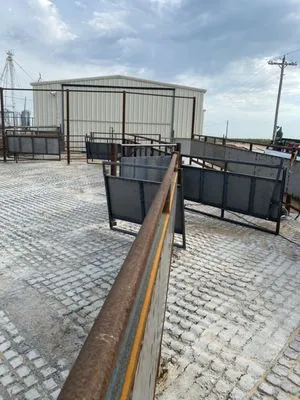
Saints Works is a trusted general contractor serving Great Bend, KS, with expertise in landscaping, metal fabrication, and comprehensive construction services. We specialize in home remodeling, new co...
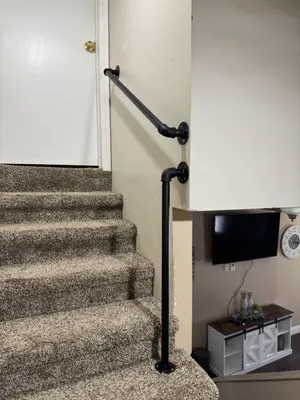
Gill Services is your trusted local handyman and lawn care expert in Larned, KS, specializing in fence and gate installation, painting, staining, and repair, along with comprehensive lawn services. We...
Superior Lawn & Landscape is a trusted, full-service provider serving Hays and the surrounding area. We specialize in creating and maintaining beautiful, resilient outdoor spaces. A common challenge f...
Petz Lawn Care is a trusted Hays, KS lawn service provider specializing in comprehensive solutions for local homeowners. We address common regional landscaping challenges like yard erosion and dying s...
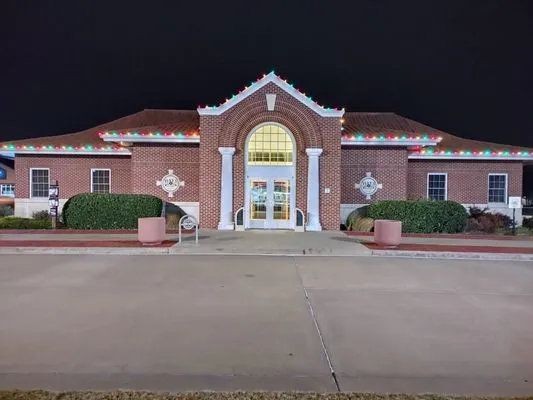
Saint Nick's Snow Plowing & Outdoor Management
Saint Nick's Snow Plowing & Outdoor Management is your trusted, licensed partner for year-round outdoor care in Hays, KS. We're the local professionals you can rely on to transform your property for e...
G & L Landscape
G & L Landscape is a trusted Hays, KS landscaping company specializing in comprehensive lawn care, holiday decorating, and masonry/concrete services. Many homes in the Hays area struggle with bare law...
Flax Lawns & Landscaping is a trusted, locally-owned landscaping company serving Hays, Kansas. We understand the common frustrations homeowners in our area face, like struggling shrubs and inefficient...
Lawn Masters is a trusted landscaping, irrigation, and masonry/concrete company serving Hays, KS homeowners. We specialize in solving common local landscaping challenges like overgrown shrubs and patc...
Darren's Lawn Care
Darren's Lawn Care in Hays, KS is a locally owned and operated landscaping company with 15 years of experience serving the Hays community. Founded by Darren, who holds a Horticulture degree from Kansa...

Cutting Edge Lawn Professionals is a trusted local provider in Victoria, KS, dedicated to maintaining healthy, vibrant lawns for residential and commercial properties. Our team brings reliable experti...
Estimated Landscaping Service Costs in Plainville, KS
Common Questions
How quickly can you respond to an emergency storm cleanup or HOA compliance notice in Plainville?
Our standard service response for Central Plainville addresses is 15-20 minutes from dispatch. For emergency situations, we route from Plainville City Park via US-183, which provides efficient access to most residential areas. This timeframe accommodates loading necessary equipment while adhering to quiet hour restrictions from 10 PM to 7 AM. We maintain electric maintenance fleets specifically for noise-sensitive compliance work during daytime hours when traditional gas equipment might violate nuisance ordinances.
What permits and licensing are required for grading and drainage work on my 0.22-acre Plainville property?
Grading that alters water flow patterns requires a permit from Plainville City Clerk/Zoning Department, with specific requirements for silt fencing and erosion control on silty clay loam soils. Contractors must hold Kansas Department of Agriculture licensing for landscape architecture or irrigation work exceeding $10,000 in value. On 0.22-acre lots, even modest regrading can impact neighboring properties, necessitating professional oversight to prevent drainage litigation. These regulations ensure work meets 2026 standards for stormwater management while protecting the community's shared water resources and infrastructure.
Why does my Central Plainville yard have such dense, compacted soil that struggles to absorb water?
Central Plainville lots with 1959-era construction have silty clay loam soil that has matured for 67 years, developing significant compaction layers from decades of foot traffic and conventional maintenance. This soil type naturally has low permeability, and the alkaline pH range of 7.5-8.0 further restricts nutrient availability. Core aeration every 1-2 years combined with organic amendments like composted leaf mold can improve soil structure and water infiltration. The compaction is particularly evident in older neighborhoods where original topsoil was disturbed during construction and never properly rehabilitated.
What solutions address moderate runoff problems in my silty clay loam yard without creating drainage issues for neighbors?
Silty clay loam's slow permeability creates runoff that requires engineered solutions meeting Plainville City Clerk/Zoning Department standards. Installing French drains with proper gravel sizing improves subsurface drainage, while permeable native limestone patios or pathways allow surface water infiltration. For significant grading work, creating swales with 2-3% slope directs water away from foundations without overwhelming municipal systems. These approaches address clay compaction while preventing the ponding that damages turf grass root systems during heavy rainfall events.
What invasive species should I watch for in Plainville, and how do I treat them within state fertilizer guidelines?
Japanese knotweed and field bindweed present significant risks in Central Plainville, exploiting disturbed soils in older neighborhoods. Treatment requires careful timing outside Kansas Department of Agriculture nutrient management blackout periods, typically late fall when plants translocate herbicides to roots. Manual removal before seed set combined with targeted spot treatments minimizes chemical use while preventing spread. For persistent infestations in silty clay loam, improving soil health with mycorrhizae inoculants creates competition that suppresses invasive establishment without violating state guidelines.
What low-maintenance native alternatives can replace high-input turf grass as electric equipment becomes standard?
Transitioning to Little Bluestem, Purple Coneflower, Switchgrass, Leadplant, and Butterfly Milkweed creates biodiverse landscapes requiring minimal maintenance ahead of 2026 noise ordinance trends. These deep-rooted natives survive on natural precipitation once established, eliminating irrigation needs. Their growth patterns require only annual cutting with electric equipment rather than weekly mowing, reducing both noise and carbon emissions. This approach aligns with grassland wildfire risk management by creating defensible space with fire-adapted species that don't accumulate dry thatch like traditional turf.
How can I maintain healthy Tall Fescue turf while conserving water in Plainville's current restriction-free environment?
Despite Stage 0 water restrictions, implementing soil-moisture sensor-based controllers optimizes irrigation by applying water only when evapotranspiration data indicates need. For Kentucky-31 or Turf-Type Tall Fescue in USDA Zone 6a, this typically means 1-1.5 inches weekly during peak summer months, adjusted for actual rainfall. These controllers prevent overwatering that exacerbates clay compaction while maintaining turf health. The system automatically adjusts for Plainville's variable precipitation patterns, potentially reducing water use by 30-50% compared to traditional timer-based irrigation.
Is native limestone or wood better for patios and retaining walls given Plainville's climate and wildfire considerations?
Native limestone outperforms wood for longevity in USDA Zone 6a, withstanding freeze-thaw cycles without deterioration for decades versus wood's 10-15 year lifespan. Limestone's thermal mass moderates temperature extremes while its natural permeability reduces runoff compared to impervious alternatives. For Moderate Fire Wise rated areas, limestone creates defensible space without combustible materials, an important consideration in grassland wildfire zones. The material's local availability also reduces transportation emissions compared to imported hardscape options, supporting regional sustainability goals.
