Top Landscaping Services in Palmyra, KS, 66006 | Compare & Call
There are 173 landscaping companies server in Palmyra KS

Rock Out Excavation is your trusted, local partner for excavation and landscaping in Holton, Kansas. We provide reliable services for residential, commercial, and industrial projects, from foundationa...

Topeka Outdoor Services is a trusted local company helping homeowners across Topeka, KS, maintain beautiful and functional properties. We specialize in the essential outdoor tasks that keep your home ...

Limitless Lawn Care is a Topeka-based lawn service provider dedicated to helping local homeowners achieve and maintain healthy, vibrant lawns. Many Topeka homes struggle with common landscaping issues...
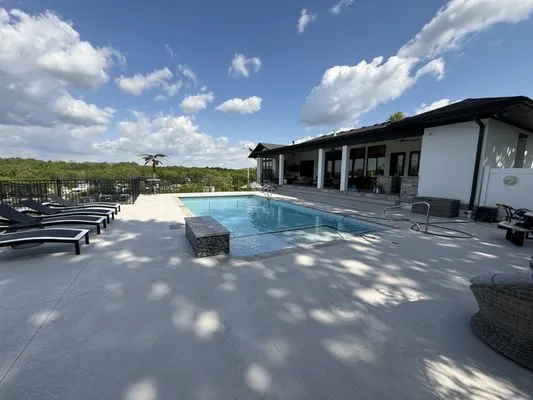
CTB Pool & Patio is a locally-owned and operated Kansas City business with over seven years of dedicated service. We specialize in creating complete backyard environments, from custom swimming pools i...
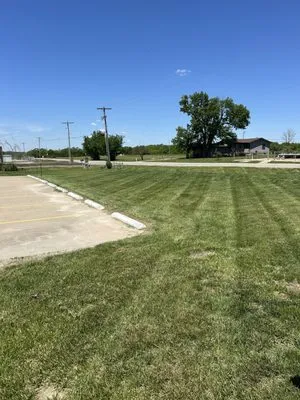
EZ and Sons is a trusted, family-owned lawn care and snow removal service proudly serving Lecompton, KS. We understand the unique challenges of local yards, including persistent mulch bed weeds and so...
GLC is a family-owned lawn care business serving Topeka, KS, founded by Susy and Adam. Susy, originally from Germany, and Adam, a U.S. Army veteran with over 15 years of lawn care experience, run the ...
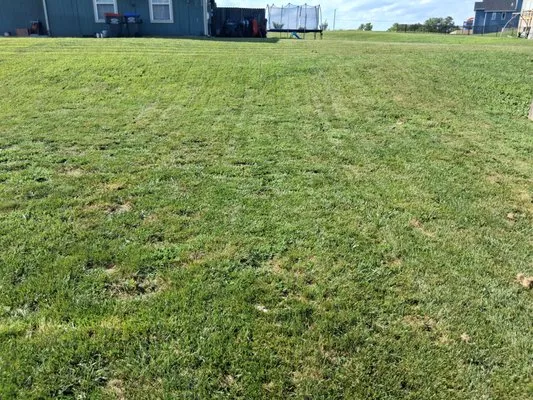
Affordable Lawn Care is your Lawrence, KS, neighbor dedicated to solving common local landscaping headaches. We specialize in comprehensive lawn care services that directly address issues like overgro...
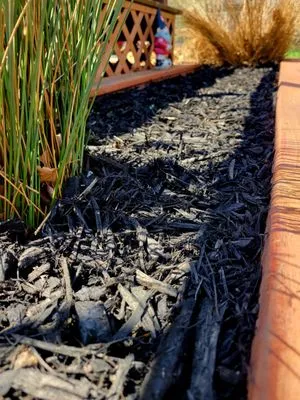
Direct Connection Lawn Services is a family-owned and operated lawn care company proudly serving Hoyt, KS, and the Topeka area since 2017. Founded on principles of reliability and clear communication,...
Affordable Lawncare provides professional lawn services in Lecompton, KS, specializing in keeping your outdoor space healthy and well-maintained. We understand that many local homeowners struggle with...
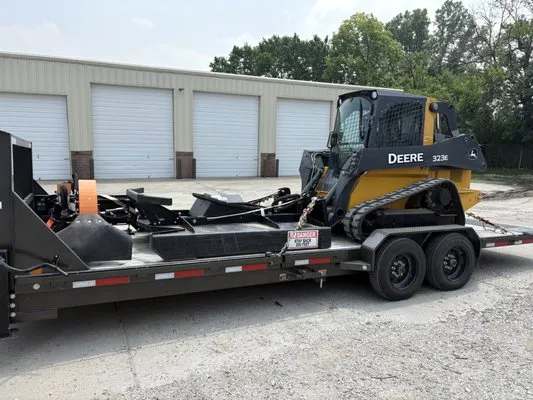
Midwest Land And Property Solutions is a trusted local provider serving Overland Park and surrounding Northeast Kansas communities. We specialize in comprehensive land and property clearing solutions,...
Estimated Landscaping Service Costs in Palmyra, KS
Question Answers
Why choose native limestone over wood for patio construction in Palmyra?
Native limestone offers century-long durability compared to wood's 15-25 year lifespan, with minimal maintenance requirements beyond occasional cleaning. The material's thermal mass moderates temperature extremes while providing non-combustible surfaces that support Palmyra's low fire-wise rating. For properties needing defensible space management, stone hardscaping creates natural firebreaks without contributing to moderate fuel loads. Limestone's local availability reduces transportation emissions and blends aesthetically with the region's geological character.
What solutions address the moderate clay-heavy runoff in my Palmyra yard?
Silt loam soils with clay content require graded swales and French drains to redirect surface water away from foundations. Permeable native limestone hardscaping creates stable surfaces that allow gradual infiltration rather than rapid runoff. The Douglas County Zoning and Codes Department requires drainage plans that manage stormwater on-site, which these systems accomplish through calculated slope and aggregate layers. Combining vegetative buffers with stone channels addresses both the immediate runoff hazard and long-term soil structure improvement.
How quickly can you respond to an HOA violation notice for overgrown vegetation in Palmyra?
Emergency cleanup crews dispatch from the Douglas County Fairgrounds area via US-56, reaching most Palmyra Historic District properties within 20-30 minutes during standard operating hours. We prioritize compliance situations with same-day assessment and can typically complete initial mitigation within 4 hours of arrival. The route optimization accounts for both highway access and neighborhood street patterns to maintain this response window. All equipment meets daytime noise ordinance requirements for operation between 7 AM and 9 PM.
What invasive species should I watch for in Palmyra, and how do I treat them safely?
Japanese knotweed and musk thistle present the highest risk in Douglas County, with aggressive growth that outcompetes native vegetation. Manual removal before seed set combined with targeted spot treatments using Kansas Department of Agriculture-approved herbicides provides effective control. Timing applications outside of nutrient management guideline blackout dates prevents runoff into waterways. Regular monitoring along property edges and drainage paths catches infestations early, when mechanical removal alone may suffice without chemical intervention.
Why does my Palmyra Historic District lawn struggle with compaction despite regular watering?
Properties built around 1992 have 34-year-old soil profiles where decades of foot traffic and conventional maintenance have degraded the original silt loam structure. The pH range of 6.5-7.2 indicates adequate alkalinity, but the fine particles in silt loam compact easily under pressure, reducing oxygen availability to grassroots. Core aeration every 2-3 years combined with organic amendments like composted leaf mold will restore permeability and microbial activity. This addresses the common issue in older neighborhoods where soil has matured without intentional remediation.
What permits and licenses are required for regrading my 0.25-acre Palmyra property?
The Douglas County Zoning and Codes Department issues grading permits for earthmoving exceeding 50 cubic yards, which most quarter-acre projects approach. Contractors must hold appropriate licensing through the Kansas Department of Agriculture, specifically the Horticulture or Landscape Contractor classifications. These requirements ensure proper erosion control during construction and final grading that directs water away from structures. Unlicensed grading risks improper slope creation that could affect neighboring properties or violate drainage ordinances.
Should I replace part of my lawn with native plants to reduce maintenance requirements?
Transitioning high-maintenance turf areas to Purple Coneflower, Little Bluestem, Butterfly Milkweed, and Wild Bergamot creates resilient landscapes that require minimal inputs. These natives have deep root systems that improve soil structure and drought tolerance beyond what cool-season grasses provide. As Palmyra considers tighter restrictions on gas-powered equipment, electric maintenance fleets already operate quietly within noise ordinance parameters. The shift toward xeriscaping principles using regionally appropriate plants represents forward-thinking landscape infrastructure.
Can I maintain Kentucky Bluegrass and Tall Fescue during Palmyra's voluntary water conservation stage?
Smart Wi-Fi ET-based controllers precisely match irrigation to evapotranspiration rates, reducing water use by 15-25% while preserving turf health. These systems adjust daily based on local weather data, applying water only when soil moisture sensors indicate need. For the silt loam soil common in Palmyra, this technology prevents both underwatering stress and the runoff common with traditional timers. Municipal conservation goals align with this approach, as ET-based irrigation stays within recommended limits while maintaining the cool-season grass blend preferred in this region.
