Top Landscaping Services in Overland Park, KS, 66013 | Compare & Call
There are 106 landscaping companies server in Overland Park KS
Nature Needs LawnCare
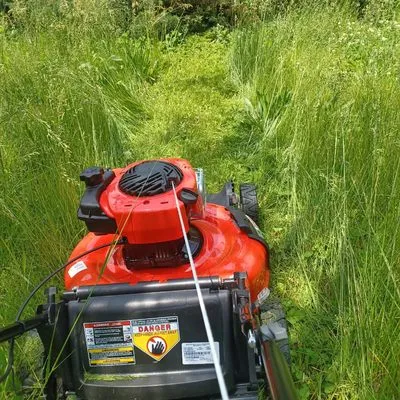
Nature Needs LawnCare was founded on a simple, heartfelt idea: to bring happiness through service while working in the outdoors we love. Owner [Your Name] started by volunteering, cleaning up vacant l...
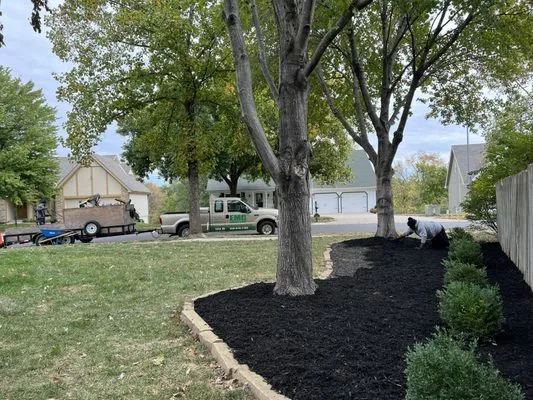
EMC Landscaping has been a trusted name in Kansas City, KS since 2008, specializing in yard cleanups and mulching. With over 14 years of dedicated experience, we handle both residential and commercial...
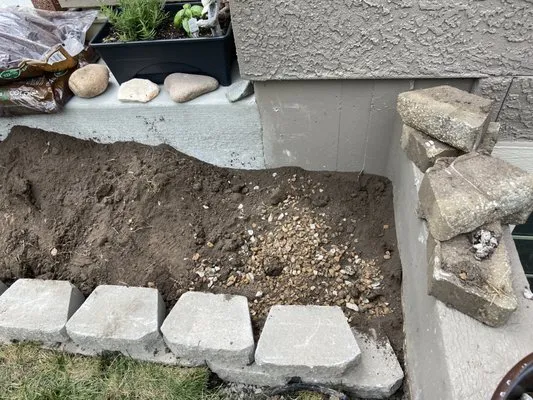
Founded by Dave Woodring, a Kansas University business graduate with a keen eye for construction, Platinum Outdoor Concepts brings professional management and a deep understanding of the Kansas City a...

Teddy's Lawn and Landscape provides reliable lawn and tree care services for Kansas City, KS, residents. We handle everything from routine mowing, edging, and leaf blowing to tree care and stump grind...
Escape Lawn & Landscaping is a trusted local provider in Overland Park, KS, specializing in gardening and landscape maintenance. We help homeowners tackle common local challenges like moss growth in l...
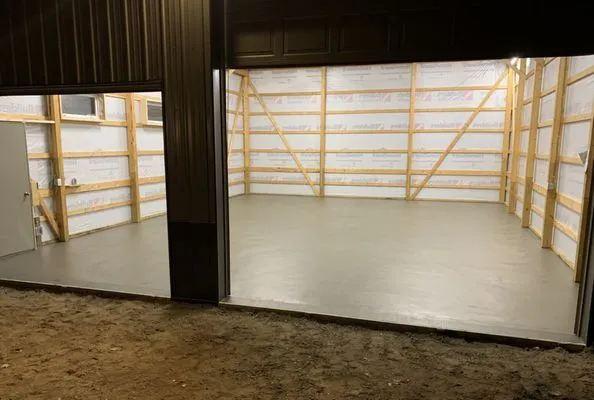
Sutton Landworks is a trusted, family-owned business serving Edwardsville and the surrounding Kansas City area. For years, we've been the local go-to for comprehensive site work, combining excavation,...
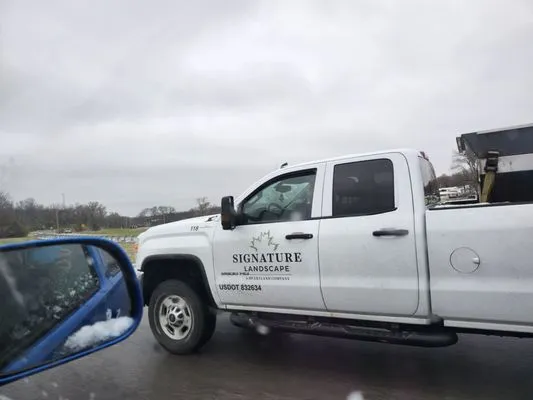
Signature Landscape, established in 1989, is a cornerstone of the Olathe and greater Kansas City landscaping community. With our headquarters here in Olathe and additional branches serving North and E...
Triton Lawn is a family-owned lawn and tree service company serving Olathe and Johnson County, specializing in comprehensive tree care, landscaping, and irrigation solutions. Founded by horticulture e...
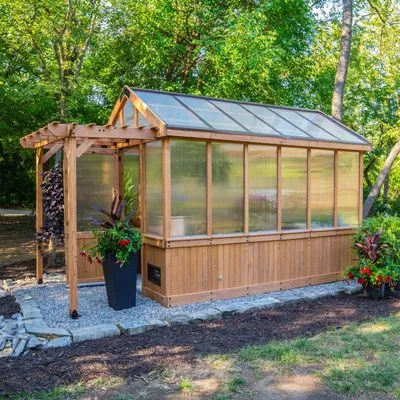
Gyro Contracting is a family-operated home improvement company serving Gardner, Kansas, and surrounding areas. With over 15 years of experience, we specialize in masonry, concrete, and landscaping ser...
Olympic Landscape & Irrigation is a trusted Overland Park landscaping and irrigation company serving Johnson County homeowners and businesses. We provide a comprehensive range of services, including e...
Estimated Landscaping Service Costs in Overland Park, KS
Q&A
How do smart irrigation systems conserve water while maintaining turf health?
Wi-Fi ET-based weather sensing irrigation calculates evapotranspiration rates specific to Overland Park's microclimate. This technology adjusts watering schedules daily based on actual weather data, preventing overwatering during Stage 0 restrictions. Tall fescue requires approximately 1-1.5 inches weekly during peak growth, which ET systems deliver precisely through cycle-and-soak programming that matches soil absorption rates.
What solutions address clay soil runoff in my landscape?
Silty clay loam's low permeability creates surface runoff that requires engineered drainage solutions. Permeable Kansas limestone hardscapes allow water infiltration while meeting Overland Park Planning and Development Services runoff standards. French drains with clean gravel and dry creek beds redirect water from foundations, with soil amendments like expanded shale improving subsurface drainage over time.
How quickly can you respond to emergency storm damage for HOA compliance?
Emergency cleanup crews dispatch from the Overland Park Farmers' Market area via I-435, arriving within 20-30 minutes during peak conditions. This routing prioritizes access to Downtown Overland Park neighborhoods while avoiding typical congestion points. Crews carry equipment for immediate debris removal and temporary stabilization to meet HOA appearance standards within restricted noise ordinance hours of 7am-9pm.
Can native plants reduce maintenance while supporting local ecology?
Replacing high-maintenance turf with Purple Coneflower, Little Bluestem, Butterfly Milkweed, and Wild Bergamot creates resilient landscapes requiring minimal inputs. These natives adapt to Kansas' 6b hardiness zone with deep root systems that improve soil structure and drought tolerance. Transitioning to electric maintenance equipment aligns with evolving noise ordinances while supporting 2026 biodiversity standards through pollinator habitats.
Why does my Overland Park lawn have drainage issues and compacted soil?
Downtown Overland Park properties built around 1988 have 38-year-old soil systems in silty clay loam. This soil type naturally compacts over time, reducing permeability and creating high runoff conditions. Core aeration with organic amendments like compost improves soil structure by increasing pore space for water infiltration. Regular soil testing confirms pH levels between 6.5-7.2, which supports microbial activity when properly managed.
What permits and licenses are required for landscape grading projects?
Grading work on 0.25-acre lots requires permits from Overland Park Planning and Development Services for erosion control and drainage compliance. The Kansas Department of Agriculture licenses professionals for soil movement exceeding certain volumes, ensuring proper techniques that prevent downstream sedimentation. Contractors must demonstrate competency in soil science and hydrology to obtain these credentials, protecting both property and watershed health.
Why choose limestone over wood for durable outdoor structures?
Kansas limestone offers superior longevity with minimal maintenance compared to wood's decay cycle in our climate. This native stone provides permanent structure without chemical treatments, aligning with Low Fire Wise ratings for defensible space in urban-suburban interfaces. Properly installed limestone retains permeability for drainage while creating fire-resistant zones around structures, an important consideration given changing climate patterns.
What invasive species threaten Overland Park landscapes and how are they managed?
Japanese knotweed and wintercreeper present significant invasion risks in established neighborhoods. Treatment involves targeted herbicide applications during active growth phases, carefully timed outside Kansas' phosphorus restriction windows for established lawns. Mechanical removal followed by soil solarization prevents regrowth while maintaining compliance with state fertilizer ordinances requiring soil tests before phosphorus application.
