Top Landscaping Services in North Newton, KS, 67114 | Compare & Call

There are 86 landscaping companies server in North Newton KS
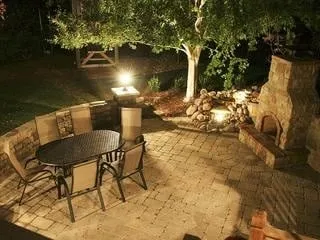
New Look Landscape
New Look Landscape was founded in Wichita by Steve Locke, whose passion for horticulture took root early. Starting a mowing business in the fifth grade and working at a local nursery in high school, S...
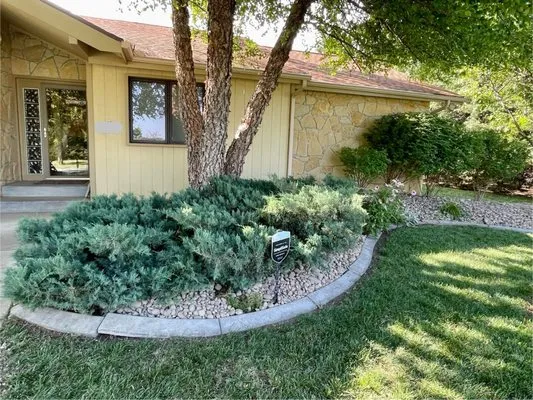
Bossy Oak Landscaping is a locally owned and operated landscaping company serving Andover, KS, and the surrounding areas since 2014. Licensed and insured, we provide comprehensive landscaping solution...
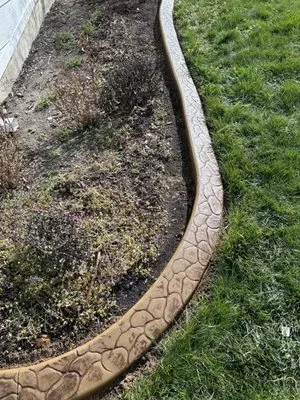
A and S Borders is a family-owned, licensed concrete edging service based in Valley Center, KS, specializing in continuous landscape curbing and irrigation solutions. We offer a wide variety of styles...
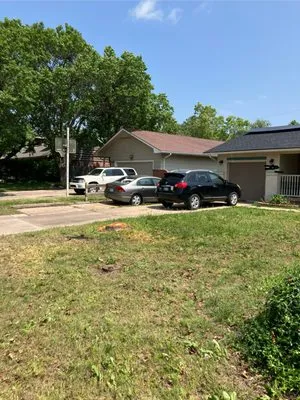
Jordan's Outdoor Services is a trusted Andover, KS provider of comprehensive tree services and landscaping solutions. We specialize in addressing common local landscaping challenges like standing wate...
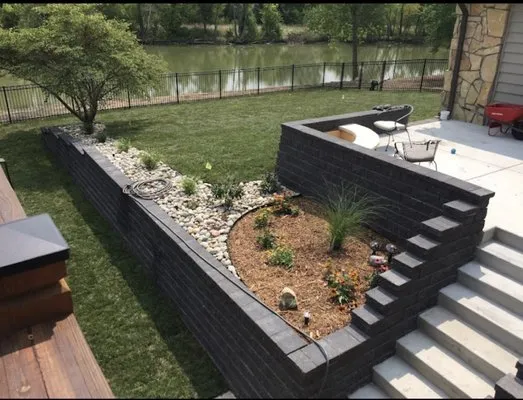
Daniel's Lawn & Landscaping Service
Daniel's Lawn & Landscaping Service began as a family-focused effort to earn extra income in Wichita, KS. What started as a side project quickly grew into a passion for transforming outdoor spaces thr...
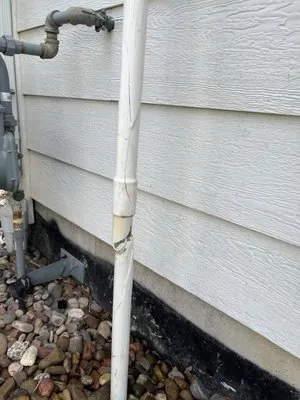
Gabe's Sprinkler Systems is a family-owned irrigation and lawn care business serving Wichita, KS since 2009. With over 15 years of hands-on experience, owner Gabe personally handles every project—from...

Tiny’s Lawn Service is a trusted, locally-owned lawn care provider dedicated to keeping Peck, KS lawns healthy and vibrant. We specialize in addressing the common local issues of bare lawn patches and...
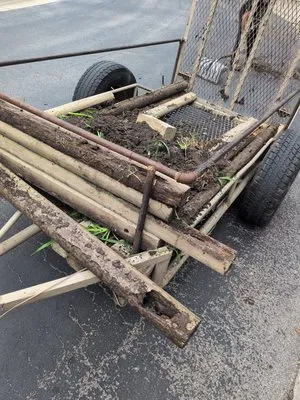
Mikes Landscaping is a trusted Wichita, KS-based provider specializing in lawn care, tree services, and nursery solutions. With deep local expertise, we help homeowners tackle common area challenges l...

Based in Wichita, Aaron's Lawn Service is a locally owned and operated company dedicated to providing reliable lawn care and snow removal for our community. We understand the specific challenges of ma...
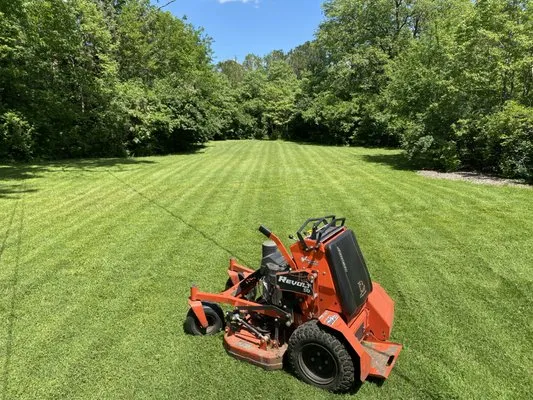
AB Mowing is a trusted local service provider in Wichita, KS, offering comprehensive solutions for lawn care, snow removal, and junk removal. With a focus on reliability and affordability, we handle e...
Estimated Landscaping Service Costs in North Newton, KS
Q&A
We want a new patio. Is local limestone a better choice than composite wood?
For durability, longevity, and fire safety, local limestone is a superior choice in our climate. While composite materials can warp and fade, limestone is a permanent, low-maintenance asset that complements the regional aesthetic. Critically, for meeting the Moderate Fire Wise rating, a 5-foot non-combustible perimeter around the home is required. A limestone patio seamlessly fulfills this defensible space requirement, whereas wooden decks present a combustible fuel source that would necessitate additional mitigation measures.
Our lawn seems compacted and struggles to drain. Is this a common problem for older homes here?
Yes, this is a direct result of soil maturity and development history. Homes built around the 1989 average in the North Newton Residential Core were constructed on native Silty Clay Loam subsoils, which have inherently low permeability. Over 37 years of standard maintenance, foot traffic, and machinery weight, the critical topsoil layer has become severely compacted, restricting root growth and water infiltration. Core aeration in spring and fall, combined with adding 1/4 inch of compost, is essential to rebuild soil structure and biological activity.
How can I keep my Tall Fescue lawn healthy during the summer without wasting water?
Effective irrigation in North Newton requires respecting the current Voluntary Conservation status and adapting to our Silty Clay Loam soil. Smart Wi-Fi ET-based controllers are the technical solution, automatically adjusting run times based on real-time evapotranspiration data, soil moisture, and weather forecasts. This system applies water only when and where your Kentucky-31 or Turf-Type Tall Fescue needs it, preventing runoff from the low infiltration rate. This method can reduce potable water use by 20-30% while maintaining turf health within municipal guidelines.
What are the most aggressive weeds here, and how should I deal with them safely?
In established North Newton lawns, invasive species like Bermudagrass, bindweed, and Japanese knotweed pose significant alerts. Safe, effective control starts with a professional soil test to determine nutrient levels, as Kansas BMPs for Phosphorus prohibit application unless a deficiency is proven. For perennial weeds, targeted spot-treatment with approved herbicides in fall, combined with pre-emergent applications in early spring, is most effective. Always follow label instructions to protect nearby natives like Prairie Dropseed and avoid application during blackout dates or prior to forecasted rain.
I'm tired of weekly mowing. Are there lower-maintenance, attractive alternatives?
Absolutely. Transitioning high-input turf areas to a climate-adaptive xeriscape featuring native prairie plants is a forward-thinking strategy. Planting drifts of Little Bluestem, Purple Coneflower, and Butterfly Milkweed creates a resilient, biodiverse landscape that thrives in Zone 6b with minimal supplemental water once established. This approach drastically reduces mowing, eliminates gas-powered blower use ahead of tightening noise ordinances, and provides critical habitat, aligning with 2026 ecological landscaping standards.
We need some regrading done. What should we check before hiring a contractor?
Any significant grading or earth-moving work on a 0.32-acre lot requires due diligence. First, verify the contractor holds a current license with the Kansas Department of Agriculture for horticultural or landscaping work, which is legally required. Second, contact the North Newton Planning & Zoning Department to determine if the scope of work requires a permit, especially if it alters water flow to adjacent properties or involves installing retaining walls over a certain height. Using an unlicensed operator risks poor outcomes and invalidates any applicable warranties.
Our yard holds water for days after a rain. What's the best long-term fix?
Prolonged pooling indicates the high clay content and low infiltration rate of your Silty Clay Loam soil. The long-term solution integrates subsurface and surface strategies. Installing a French drain system to intercept and redirect groundwater is often necessary. For any new patios or walkways, specify permeable concrete pavers or local limestone set on a gravel base; these materials meet North Newton Planning & Zoning Department runoff standards by allowing water to percolate into the subsoil rather than contributing to stormwater overload.
If a major storm downs a tree limb, how fast can a crew get here for an emergency cleanup?
For an emergency cleanup to address safety hazards or immediate HOA compliance, we dispatch from our staging area near the Bethel College Campus. Using I-135 for direct access, our peak storm response time to the North Newton Residential Core is a reliable 15-20 minutes. Our electric fleet meets the standard 7:00 AM to 9:00 PM noise ordinance, allowing for immediate, low-impact work to clear driveways and public rights-of-way without violating local codes.
