Top Landscaping Services in Moundridge, KS, 67107 | Compare & Call

There are 97 landscaping companies server in Moundridge KS
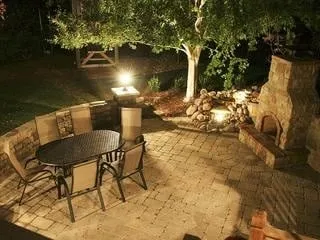
New Look Landscape
New Look Landscape was founded in Wichita by Steve Locke, whose passion for horticulture took root early. Starting a mowing business in the fifth grade and working at a local nursery in high school, S...
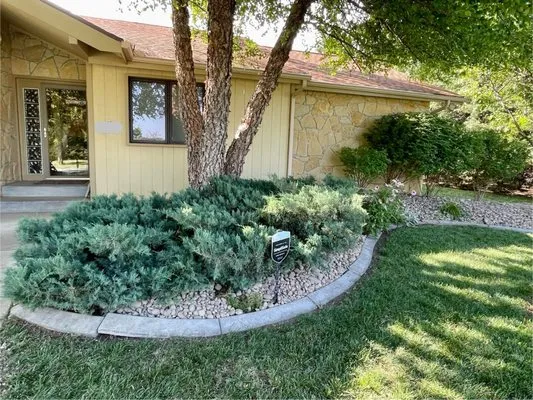
Bossy Oak Landscaping is a locally owned and operated landscaping company serving Andover, KS, and the surrounding areas since 2014. Licensed and insured, we provide comprehensive landscaping solution...
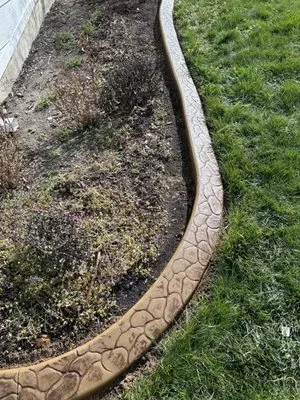
A and S Borders is a family-owned, licensed concrete edging service based in Valley Center, KS, specializing in continuous landscape curbing and irrigation solutions. We offer a wide variety of styles...
Jordan's Outdoor Services is a trusted Andover, KS provider of comprehensive tree services and landscaping solutions. We specialize in addressing common local landscaping challenges like standing wate...
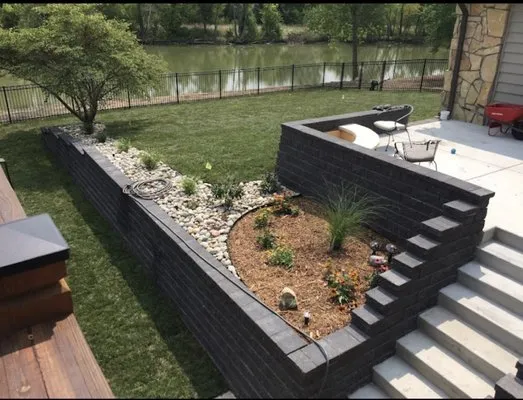
Daniel's Lawn & Landscaping Service
Daniel's Lawn & Landscaping Service began as a family-focused effort to earn extra income in Wichita, KS. What started as a side project quickly grew into a passion for transforming outdoor spaces thr...

Tiny’s Lawn Service is a trusted, locally-owned lawn care provider dedicated to keeping Peck, KS lawns healthy and vibrant. We specialize in addressing the common local issues of bare lawn patches and...
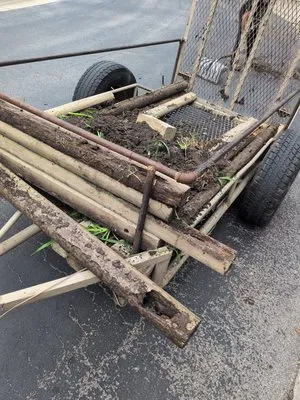
Mikes Landscaping is a trusted Wichita, KS-based provider specializing in lawn care, tree services, and nursery solutions. With deep local expertise, we help homeowners tackle common area challenges l...

Based in Wichita, Aaron's Lawn Service is a locally owned and operated company dedicated to providing reliable lawn care and snow removal for our community. We understand the specific challenges of ma...

Justin Empire Fences is a Wichita-owned and operated company dedicated to enhancing outdoor living spaces. Founded in 2017 by Justin, a father of two, the business is built on a foundation of hard wor...
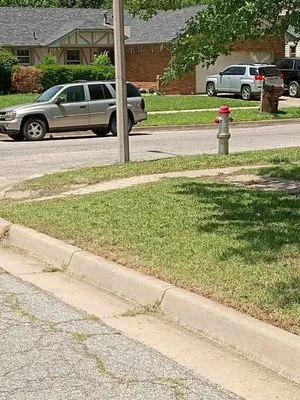
Zips Grass and Gutters is a locally owned and operated business proudly serving Wichita, KS, and the surrounding communities. We specialize in comprehensive lawn care and gutter services, providing re...
Estimated Landscaping Service Costs in Moundridge, KS
Questions and Answers
I'm tired of weekly mowing. Are there lower-maintenance alternatives to grass?
Transitioning high-input turf to a native plant community is a forward-thinking strategy. Species like Little Bluestem, Purple Coneflower, and Butterfly Milkweed are adapted to Zone 6b and require no mowing, minimal water, and no chemical inputs. This shift aligns with evolving noise ordinances that increasingly restrict gas-powered equipment. A designed native landscape provides critical habitat and stays green with far less labor and resource use.
My yard seems hard as concrete and nothing grows well. What's the problem with Moundridge soil?
Homes in the Moundridge Residential District, built around 1975, sit on soil that is now over 50 years mature. This long-term development has compacted the native Silty Clay Loam, reducing permeability and root penetration. The inherent pH of 7.2-7.5 is suitable for many plants, but compaction is the primary constraint. Annual core aeration and the incorporation of compost are essential to rebuild soil structure and improve water infiltration for healthy plant growth.
A storm knocked down a large limb. How quickly can a crew get here for emergency cleanup?
An emergency dispatch from our Black Kettle Park staging area via I-135 allows for a peak response time of 20-30 minutes to most Moundridge neighborhoods. Crews are equipped for immediate debris removal and safety mitigation. All work adheres to the standard noise ordinance, operating within the 7am to 9pm window unless an immediate hazard exists. This routing ensures the fastest possible response to secure your property.
My flower beds are being taken over by a fast-spreading vine. What is it and how do I stop it?
The description suggests an invasive species like bindweed or honeysuckle, which thrive in disturbed soils. Manual removal, when the soil is moist, is the first line of defense, ensuring all root fragments are extracted. For persistent issues, a targeted, EPA-approved herbicide applied in late spring or early fall is effective, but you must strictly avoid the state BMP's winter application blackout period. Consistent management over a full growing season is typically required for control.
Do I need a permit to regrade my backyard, and what kind of contractor should I hire?
Significant grading on a 0.25-acre lot that alters water flow likely requires a permit from the Moundridge City Clerk & Zoning Office. It is critical to hire a landscaper licensed by the Kansas Department of Agriculture, as this body regulates the professional application of soil amendments and ensures adherence to erosion control BMPs. Unlicensed grading work can lead to drainage violations, neighbor disputes, and costly corrective measures enforced by the city.
How do I keep my Tall Fescue lawn green during the summer without wasting water?
Modern Wi-Fi ET-based weather-sensing irrigation controllers are the solution for Moundridge's voluntary conservation status. These systems adjust watering schedules daily based on local evapotranspiration data, precisely matching your Tall Fescue's needs. This technology can reduce outdoor water use by 20-30% compared to traditional timers. It ensures deep, infrequent watering that promotes drought-tolerant root growth while staying well within municipal guidelines.
Water pools in my backyard every spring. What's a long-term fix for this ponding?
Seasonal ponding is common in Silty Clay Loam due to its moderate permeability. A strategic solution involves creating a dry creek bed or French drain system using locally sourced Kansas Limestone pavers, which are naturally permeable. This approach addresses runoff at the source and can be designed to meet the City Clerk & Zoning Office's stormwater management standards. Integrating such features redirects water effectively while adding landscape interest.
Should I use Kansas Limestone or wood for a new patio that's both durable and fire-safe?
Kansas Limestone pavers offer superior longevity and fire resistance compared to wood, making them the definitive choice for Moundridge's Moderate Grassland Interface fire rating. Stone is non-combustible and contributes to the defensible space required around structures. While the initial investment is higher, limestone requires no ongoing sealing or replacement, providing a permanent, low-maintenance hardscape that withstands freeze-thaw cycles and enhances property resilience.
