Top Landscaping Services in Minneha, KS, 67206 | Compare & Call
There are 179 landscaping companies server in Minneha KS
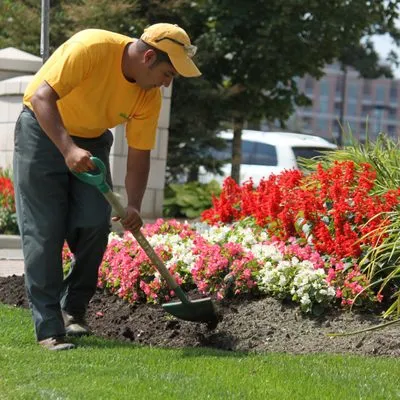
The Grounds Guys of Wichita is a locally owned and operated landscaping and irrigation company serving the Wichita, KS community. Founded in 1987 by ten brothers, this Neighborly company has grown int...

Derek from Reds Lawncare brings a lifelong passion for lawn care to Wichita. Since he was young, maintaining lawns has been more than just a job; it's about creating neat, welcoming spaces and providi...
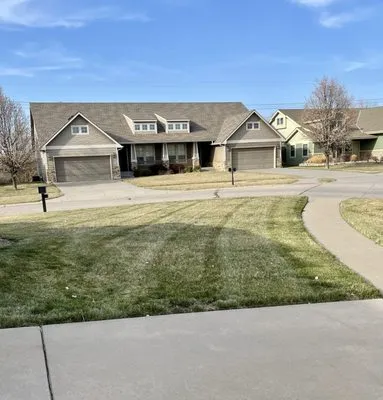
Meticulous Lawn Care is a trusted Wichita-based provider specializing in comprehensive lawn services and reliable snow removal. We understand the unique challenges Wichita homeowners face, including c...
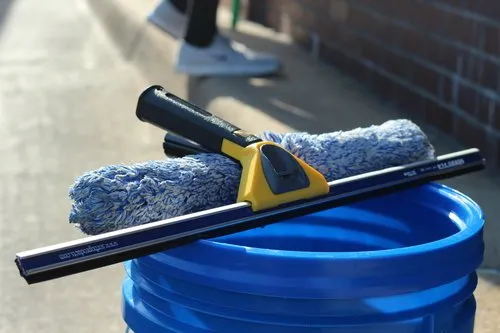
Student StartUp in Wichita, KS is a unique nonprofit that empowers local students by providing hands-on work experience in window washing, lawn care, and gutter services. Founded by two entrepreneurs ...

Xman Hauling is your trusted, locally-owned solution for junk removal and property cleanup in Wichita, KS. We specialize in clearing out the clutter that builds up in homes and yards, from old applian...
Lawn John Lawn Care is a trusted, full-service landscaping company serving Wichita, KS, and the surrounding communities. We specialize in comprehensive tree services, year-round landscaping, and relia...
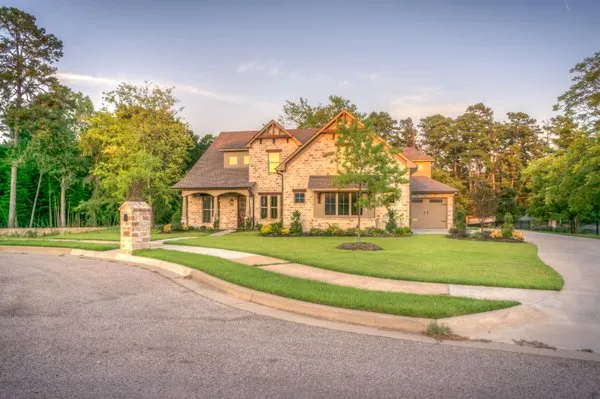
Going Yard
Going Yard is a trusted local provider of comprehensive lawn and property maintenance services for homeowners, businesses, and organizations throughout Wichita and Sedgwick County, Kansas. We speciali...

Hi! I'm Justin, the owner of J's Lawn Care in Andover, KS. My passion for this work runs deep; I've been mowing yards since I was 12 years old, learning how to handle a riding mower from my dad at 14....
Yardworx Lawn & Landscape
Yardworx Lawn & Landscape is a trusted local provider in Wichita, KS, specializing in comprehensive solutions for residential and commercial properties. We offer expert irrigation construction, design...
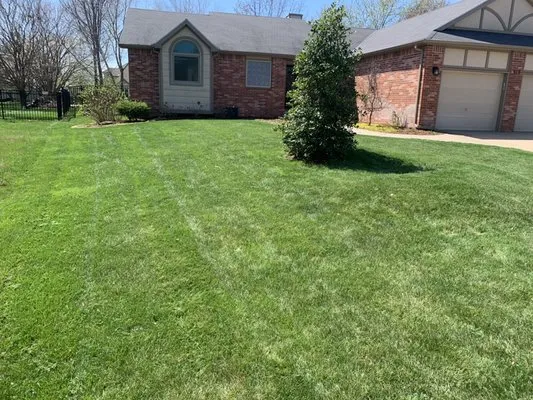
Devon's First-Class Mowing is a full-service Wichita landscaping company dedicated to creating and maintaining beautiful, healthy outdoor spaces. We understand the common local challenges of sprinkler...
Estimated Landscaping Service Costs in Minneha, KS
Question Answers
Our yard pools water every spring. What's a lasting fix for this clay soil?
Seasonal saturation is common in silty clay loam due to its slow percolation rate. A graded French drain system intercepts subsurface water and directs it away from foundations. Complementing this with permeable limestone paver installations for patios or walkways increases surface infiltration. This integrated approach manages moderate runoff and often meets the Sedgwick County Metropolitan Area Planning Department's updated standards for on-site stormwater retention.
What should we do about invasive weeds without harming nearby waterways?
First, identify the specific threat; common alerts include musk thistle or bindweed. For organic control, targeted manual removal or precise spot-treatment with a glyphosate alternative is effective during active growth phases. Crucially, any product used must be phosphorus-free to comply with local ordinances protecting watersheds. Application timing must also avoid blackout dates, typically during peak spring runoff, to prevent herbicide movement into drainage systems.
How fast can a crew respond for an urgent cleanup to meet an HOA deadline?
For an emergency compliance or storm cleanup, dispatch from the Harry Street and Webb Road Intersection allows direct access to K-96. A dedicated crew can typically be on-site within the 20-30 minute peak response window. This routing prioritizes the Minneha Residential District, ensuring timely arrival to address immediate property standards or safety hazards before fines are issued.
Are permeable limestone pavers a better long-term choice than wood decking?
Yes, for durability and ecological function. Limestone pavers have a lifespan exceeding 25 years with minimal upkeep, unlike wood which requires regular sealing and replacement. Their permeability reduces surface runoff, directly addressing clay saturation issues. Furthermore, in Minneha's Moderate (WUI Zone 2) fire risk area, non-combustible stone hardscapes contribute to defensible space, a key component of Firewise landscaping principles for structure protection.
How can we keep a Tall Fescue lawn healthy under Stage 1 water conservation rules?
Wi-Fi ET-based weather-sensing irrigation controllers are the standard solution. These systems automatically adjust watering schedules by using local evapotranspiration data, applying water only when the turfgrass needs it. This technology can reduce water use by 20-30% compared to traditional timers, keeping Kentucky-31 or Turf-Type Tall Fescue viable while adhering to Minneha's voluntary conservation stage. Deep, infrequent watering cycles are programmed to encourage deeper root systems.
Is there a lower-maintenance alternative to our weekly-mowed lawn?
Transitioning high-input turf areas to a xeriscape of regionally native plants like Purple Coneflower, Little Bluestem, and Butterfly Milkweed drastically reduces water, mowing, and chemical needs. These deep-rooted perennials build soil carbon and require no fertilization. This shift also future-proofs your property against potential tightening of noise ordinances that may restrict gas-powered blowers and mowers, moving maintenance toward quieter, electric-hand-tool methods.
What permits and credentials are needed to regrade our quarter-acre lot?
Significant grading that alters water flow or involves cut/fill over a certain volume requires a permit from the Sedgwick County Metropolitan Area Planning Department. The contractor must hold appropriate licensing through the Kansas Department of Agriculture, which ensures they carry necessary insurance and understand erosion control best practices. For a 0.25-acre property, improper grading can create off-site drainage liabilities, making verified professional work a critical investment.
Why does our yard's soil in Minneha feel so heavy and compacted?
Minneha Residential District homes built around 1985 have soils that have matured for over 40 years. The native silty clay loam is naturally dense, and decades of routine mowing and foot traffic have significantly reduced soil permeability. This compaction limits root growth and water infiltration, creating a hardpan layer. Core aeration and top-dressing with composted organic matter are necessary to rebuild soil structure and biological activity for long-term health.
