Top Landscaping Services in Minneapolis, KS, 67467 | Compare & Call
There are 77 landscaping companies server in Minneapolis KS

The Lawn Doctor is your local Manhattan, KS expert for comprehensive lawn care services. We specialize in diagnosing and solving common local landscaping issues like poor lawn grading and inconsistent...
Telebec
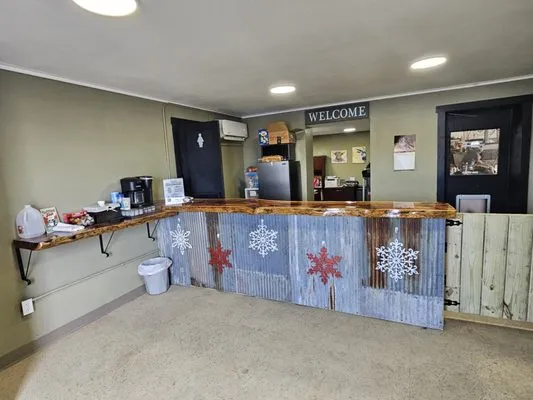
Telebec is a family-owned business in Junction City, KS, proudly serving the community since 2000. What began in government contracting has grown into a trusted local resource for home and property ca...
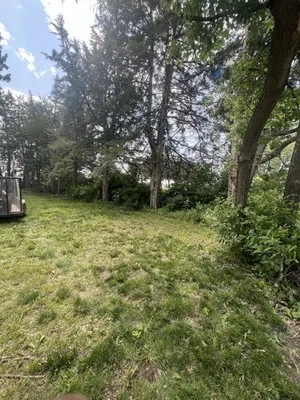
Precision Mowing Services in Salina, KS, is a dedicated landscaping business focused on providing reliable, high-quality outdoor solutions for homeowners and property owners in the Salina and Abilene ...
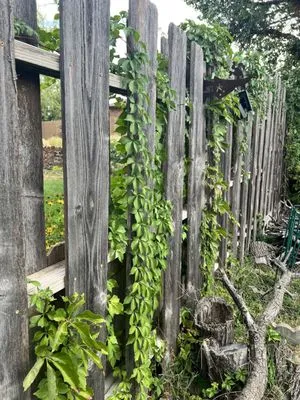
Fox Lawn & Landscape is a full-service landscaping company serving Salina, Kansas, and surrounding areas. We specialize in comprehensive landscape solutions including fence sales and installation, dec...
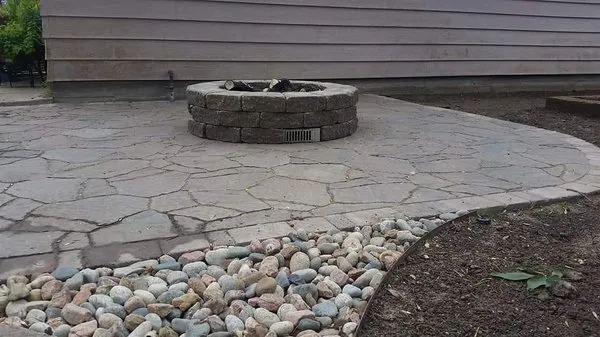
Precision Landscaping is a full-service Salina, KS contractor specializing in landscape construction and tree care. We help local homeowners and businesses build and maintain beautiful, durable outdoo...
Lovett Lawn Care is a trusted landscaping provider serving Salina, KS, and the surrounding communities. We understand that local homeowners often struggle with common issues like overgrown shrubs and ...

Salina Family Lawn Care is a locally owned and operated lawn services company in Salina, Kansas, dedicated to providing reliable and professional care for residential properties. With a focus on build...
McKee & Son Landscaping is a trusted, family-run landscaping business proudly serving Salina and the surrounding communities. With deep roots in the area, we understand the specific lawn challenges th...
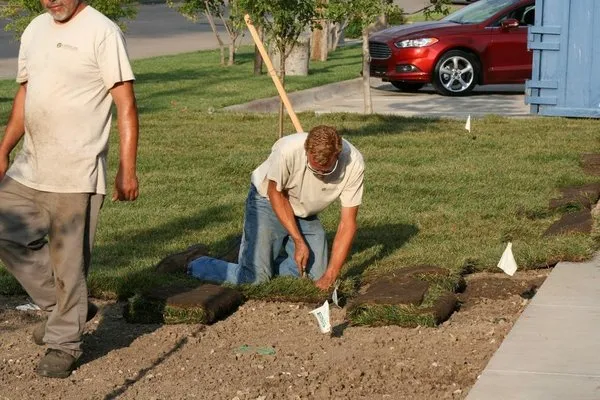
Landscape Consultants
Landscape Consultants LLC has been serving New Cambria and the surrounding Kansas communities since 2009, providing reliable landscape, irrigation, and maintenance services at fair prices. Our team ho...
Naturescape Lawn & Landscape
Naturescape Lawn & Landscape is a full-service Salina, KS company dedicated to creating and maintaining beautiful, resilient outdoor spaces. We specialize in both the art of landscape design and the s...
Estimated Landscaping Service Costs in Minneapolis, KS
Q&A
Can I reduce lawn maintenance costs and noise by replacing grass with native plants?
Replacing high-maintenance turf with native species like Purple Coneflower, Little Bluestem, Butterfly Milkweed, and Leadplant cuts mowing frequency and eliminates gas-powered equipment use. This transition aligns with evolving noise ordinances targeting gas blowers, as electric fleets become standard. Native plants require minimal irrigation, support local pollinators, and enhance biodiversity under 2026 ecological standards, creating a resilient landscape.
What solutions exist for moderate runoff issues in my clay-heavy Minneapolis yard?
Silty clay loam soils in Minneapolis create moderate runoff due to low permeability. Installing permeable concrete pavers increases infiltration rates, meeting Ottawa County Planning & Zoning runoff standards. These pavers allow water to pass through joints filled with gravel, reducing surface flow and alleviating compaction. Combined with French drains or rain gardens, this approach manages stormwater effectively while preventing erosion.
Why does my Minneapolis yard have such heavy, compacted soil that struggles to grow anything?
Minneapolis properties built around 1963 have soil that has matured for over 60 years. Downtown Minneapolis lots typically feature silty clay loam with pH 7.2-7.6, which becomes dense and impermeable over decades. This soil type requires annual core aeration to improve oxygen exchange and organic amendments like compost to enhance microbial activity. Without intervention, compaction reduces root penetration and water infiltration, limiting plant health.
Are concrete pavers a better choice than wood for durability and fire safety in Minneapolis?
Concrete pavers offer superior longevity compared to wood, resisting rot, insects, and weathering in Kansas's climate. For properties with a Moderate Wildland-Urban Interface fire-wise rating, pavers create defensible space by reducing flammable materials near structures. Their non-combustible nature enhances safety during dry periods, while proper installation ensures stability and low maintenance, aligning with 2026 building resilience standards.
Do I need permits or licensed professionals for grading work on my 0.22-acre Minneapolis lot?
Grading on a 0.22-acre lot requires oversight from Ottawa County Planning & Zoning for permits to ensure proper drainage and erosion control. The Kansas Department of Agriculture mandates licensing for landscape contractors performing such work, as improper grading can lead to runoff violations or structural damage. Hiring licensed professionals guarantees compliance with local codes and protects against liability, especially in areas with clay-heavy soils.
How do I maintain my Tall Fescue lawn during dry spells without violating water restrictions?
Wi-Fi ET-based weather sensing irrigation systems calculate evapotranspiration rates to deliver precise water amounts. This technology adjusts schedules based on real-time weather data, preserving Tall Fescue health while staying within municipal water limits. In Minneapolis's unrestricted status, such systems prevent overwatering and reduce runoff, optimizing soil moisture without manual intervention. Proper programming ensures deep root growth and drought resilience.
How quickly can you respond to an emergency storm cleanup that violates HOA compliance rules?
Emergency cleanup crews dispatch from the Ottawa County Courthouse area via KS-106, arriving within 20-30 minutes during peak conditions. Our electric maintenance fleet operates within standard daytime noise ordinances from 7:00 AM to 9:00 PM, ensuring quiet compliance while addressing fallen branches or debris. This rapid response prevents HOA violations and restores property safety without disturbing the neighborhood.
What invasive species should I watch for in Minneapolis, and how do I treat them safely?
Common invasive alerts include Japanese knotweed and garlic mustard, which outcompete natives in Zone 6a. Treatment involves manual removal or targeted herbicides applied during active growth phases, avoiding State BMP guideline blackout dates that prohibit phosphorus fertilizer on frozen ground. Always follow label instructions and consider organic alternatives like vinegar solutions for small infestations to protect soil microbiology and water quality.
