Top Landscaping Services in McPherson, KS, 67460 | Compare & Call


Prairie Land Lawn Care is a dedicated local provider serving Mcpherson, KS and the surrounding area with comprehensive lawn and landscaping solutions. We specialize in lawn care, maintenance, fertiliz...
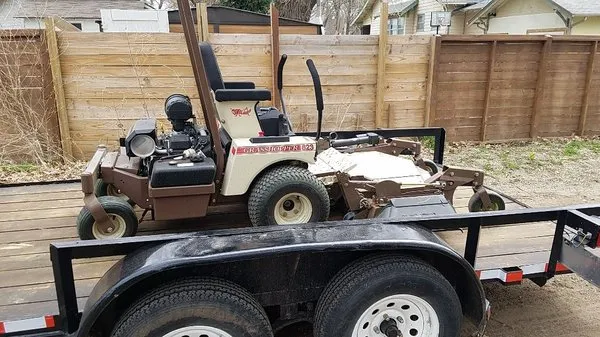
Not Too Shabby Lawn Care
Not Too Shabby Lawn Care began in McPherson with a simple push mower and a commitment to helping family and friends maintain their yards affordably. Our reputation grew through reliable workmanship an...
TallGrass Turf Solutions is a McPherson, KS-based lawn care company dedicated to helping local homeowners achieve healthy, vibrant lawns. Many homes in the area struggle with common landscaping issues...

Prairie Landworks
Prairie Landworks is a trusted, full-service contractor and landscaper serving the McPherson, KS, community since 2012. What began as a commercial construction firm has grown to become a comprehensive...
JM Lawn Care is your trusted, locally-owned lawn and tree care expert serving McPherson, KS. We understand the specific challenges McPherson homeowners face, from compacted soil that chokes grass root...
Defining Edge in McPherson, KS, is your local expert for building supplies and landscaping solutions. We specialize in helping McPherson residents tackle common local issues like dying shrubs and pers...
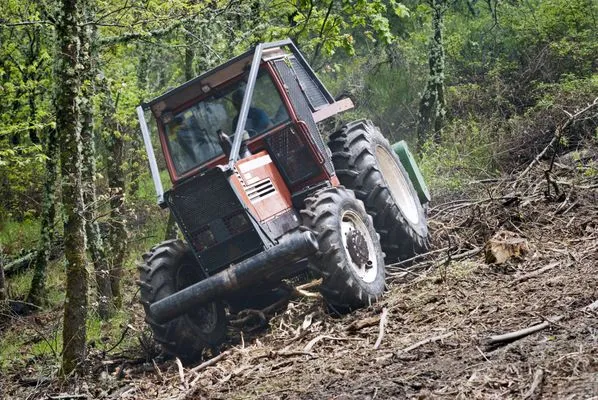
Diamond KC Forestry Service is a locally-owned landscaping company dedicated to serving McPherson, KS, and the surrounding area. With years of professional experience, our team focuses on providing re...
FAQs
How can I maintain healthy Tall Fescue turf while following McPherson's water conservation guidelines?
Wi-Fi ET-based weather sensing irrigation systems automatically adjust watering schedules based on real-time evapotranspiration data. These systems typically reduce water use by 20-30% compared to traditional timers while maintaining turf health. During normal water restriction periods with voluntary conservation encouraged, ET-based systems prioritize deep, infrequent watering that encourages deeper root growth. This approach keeps Tall Fescue resilient through Kansas summers while staying well within municipal water limits.
What permits and licenses are required for grading work on my 0.22-acre lot?
Significant grading on a 0.22-acre property requires both professional licensing and municipal permits. The Kansas Department of Agriculture licenses landscape contractors who perform earth-moving operations, ensuring proper training and insurance coverage. The McPherson Planning & Zoning Department issues grading permits to verify proposed changes comply with drainage and erosion control standards. This dual oversight prevents downstream flooding and ensures work meets current building code requirements for soil stabilization.
What solutions work best for poor drainage in McPherson's clay-heavy soil?
Silty clay loam's poor infiltration requires both surface and subsurface solutions. Installing permeable concrete pavers instead of solid surfaces reduces runoff by allowing water to percolate through joints filled with gravel. For existing hardscape, creating dry creek beds with limestone veneer edges directs water away from structures while meeting McPherson Planning & Zoning Department runoff standards. French drains with proper gravel and fabric layers provide subsurface relief for chronically wet areas.
Why does my Lincoln Heights yard have such compacted soil that needs annual aeration?
McPherson's silty clay loam soil naturally compacts over time, especially in neighborhoods like Lincoln Heights where most homes were built around 1980. With 46 years of development pressure, soil structure has degraded through construction compaction and routine maintenance. This soil type has poor permeability, requiring core aeration every 1-2 years to improve oxygen exchange and water infiltration. Adding 2-3 inches of composted organic matter annually helps rebuild soil biology and structure.
What native plant options reduce maintenance while supporting local ecology?
Replacing high-maintenance turf areas with native species like Purple Coneflower, Little Bluestem, and Prairie Dropseed creates resilient, low-input landscapes. These deep-rooted natives require minimal watering once established and support pollinator populations. Transitioning to electric maintenance equipment ahead of potential gas-blower restrictions reduces noise pollution while maintaining property aesthetics. Native plantings also contribute to Firewise USA Community Standards by creating defensible space with fire-resistant species.
How quickly can you respond to an emergency tree cleanup after a storm in Lincoln Heights?
Our electric maintenance fleet can dispatch from the McPherson Opera House area within 15-20 minutes during peak storm response. We route via I-135 to minimize travel time while complying with the 7:00 AM to 9:00 PM noise ordinance for equipment operations. This rapid response helps prevent property damage and ensures HOA compliance for debris removal. Our electric equipment operates quietly enough for early morning emergency work within ordinance limits.
What invasive species should I watch for in my Lincoln Heights landscape?
Common invasive threats include Japanese honeysuckle, bindweed, and Johnsongrass, which compete aggressively with native vegetation. Treatment involves mechanical removal followed by targeted herbicide application during active growth periods, always following label rates as required by local ordinance. Timing applications to avoid peak pollinator activity and heavy rainfall prevents environmental contamination. Regular monitoring and early intervention prevent establishment of these resource-draining species.
How does limestone veneer compare to wood for durability and fire safety?
Limestone veneer offers superior longevity with minimal maintenance compared to wood, which requires regular sealing and replacement in Kansas' variable climate. For fire safety, non-combustible materials like limestone and concrete pavers create essential defensible space around structures, supporting McPherson's moderate Firewise rating. These materials don't contribute to fire spread and maintain structural integrity during extreme weather events. Proper installation with adequate drainage prevents frost heave damage in Zone 6b winters.
