Top Landscaping Services in Manhattan, KS, 66502 | Compare & Call
There are 96 landscaping companies server in Manhattan KS
Complete Outdoors is your go-to Manhattan, KS landscaping partner, dedicated to keeping your yard beautiful and functional. We specialize in addressing common local challenges, particularly sprinkler ...
Wildcat Lawn Care is a trusted local provider serving Manhattan, KS, with comprehensive lawn care, snow removal, and tree services. We specialize in addressing common local landscaping challenges like...

The Lawn Doctor is your local Manhattan, KS expert for comprehensive lawn care services. We specialize in diagnosing and solving common local landscaping issues like poor lawn grading and inconsistent...
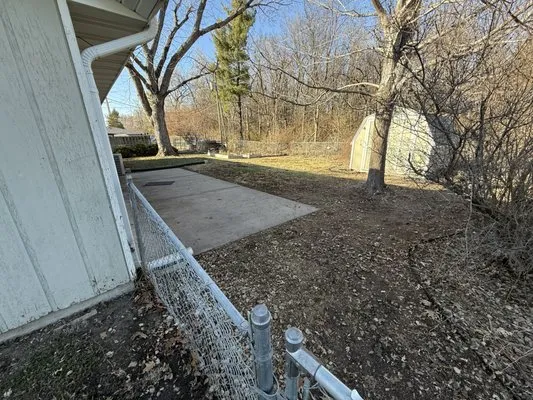
Green Pastures KS is a locally owned and operated lawn care and snow removal company serving Ogden, KS, and the surrounding area. We specialize in year-round property maintenance, including lawn care,...
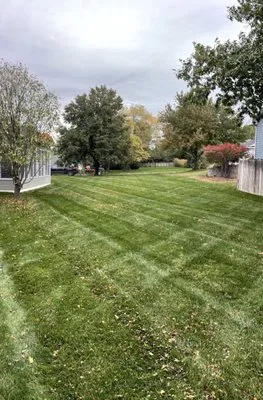
Cutting Edge Mowing is a Wamego-based lawn care service dedicated to maintaining beautiful outdoor spaces for both residential and commercial properties. With years of experience, owner Grant and his ...
Rabbits Lawn Care Services
Rabbits Lawn Care Services is a trusted local provider in Manhattan, KS, specializing in comprehensive landscaping, gardening, and tree care. We help Manhattan homeowners maintain beautiful, healthy o...
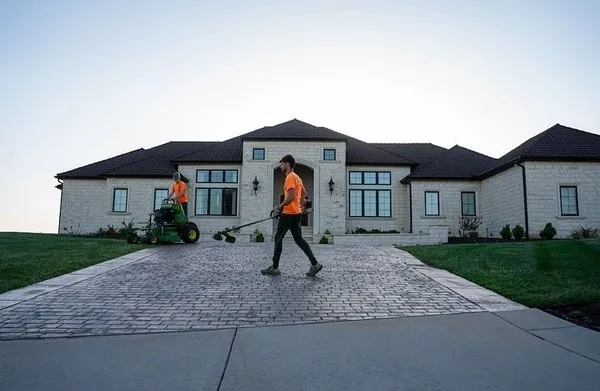
Manhattan Mowing and Landscaping is a locally owned and operated business serving Manhattan, KS, with over six years of experience. We specialize in comprehensive outdoor care, including landscape mai...
Luke's Landscaping is a trusted local landscaping company serving Manhattan, KS, and the surrounding Flint Hills region. We specialize in comprehensive lawn care, irrigation system maintenance, and er...
Done Right LLC is a Manhattan, KS-based landscaping and tree care company focused on solving specific outdoor challenges. Rather than just routine maintenance, they specialize in thoughtful, long-term...
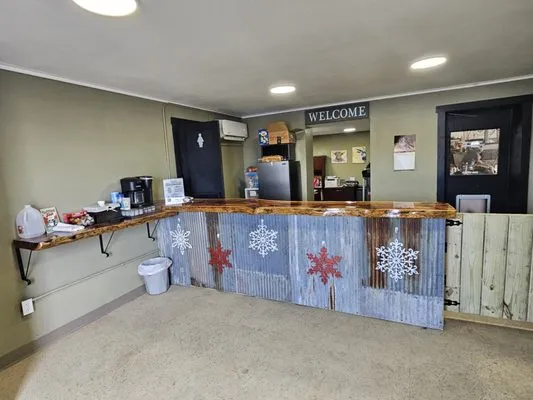
Telebec
Telebec is a family-owned business in Junction City, KS, proudly serving the community since 2000. What began in government contracting has grown into a trusted local resource for home and property ca...
Estimated Landscaping Service Costs in Manhattan, KS
Questions and Answers
My yard has persistent puddling and moderate runoff after rain. What's a durable solution for this clay soil?
Puddling indicates the moderate runoff hazard typical of Silty Clay Loam, where low permeability leads to surface water. A functional solution integrates subsurface French drains with permeable surface materials. Using locally sourced Flint Hills Limestone for patios or walkways creates a permeable hardscape that allows water to infiltrate, aligning with the Manhattan Community Development Department's runoff management standards. This combination addresses compaction at the surface and redirects groundwater effectively.
Is native limestone a better choice than wood for a new patio, considering longevity and safety?
Flint Hills Limestone offers superior longevity and fire resilience compared to wood. As a non-combustible material, it contributes to defensible space in Manhattan's Moderate Urban-Wildland Interface rating zone. Limestone requires no sealing or replacement from rot and insect damage, providing a permanent, low-maintenance structure. Its thermal mass also moderates patio temperatures, enhancing usability and integrating seamlessly with the native landscape aesthetic.
A storm damaged several trees on my property, and I need an emergency cleanup to meet HOA standards. How quickly can a crew arrive?
For emergency storm response, a crew dispatched from our central location near City Park can typically reach College Hill via KS-18 within the 20 to 30 minute window noted for peak storm travel. We prioritize these calls to secure hazardous limbs and clear driveways, ensuring compliance with local safety and aesthetic standards. Our electric maintenance fleet allows us to operate within the city's general noise ordinance hours, starting work at 7 AM if necessary.
How can I maintain a healthy Tall Fescue lawn while following Manhattan's Stage 1 water conservation guidelines?
Stage 1 voluntary conservation is effectively managed using Wi-Fi ET-based weather-sensing irrigation. This technology automatically adjusts watering schedules based on real-time evapotranspiration data, applying water only when and where the Tall Fescue needs it. This prevents overwatering, a common issue with clay soils, and keeps usage well within municipal expectations. Properly programmed, such a system supports deep root growth while conserving a significant volume of water annually.
I want to reduce mowing, watering, and gas-powered maintenance. What are my options?
Transitioning high-maintenance turf to a climate-adaptive xeriscape with native plants is a forward-looking strategy. Species like Little Bluestem, Purple Coneflower, and Butterfly Milkweed are evolved for Kansas conditions, requiring minimal irrigation once established and no weekly mowing. This shift significantly reduces water use and eliminates the need for gas-powered blowers and mowers, future-proofing your landscape against tightening noise ordinances and increasing biodiversity.
My lawn has compacted, heavy soil that struggles to absorb water. What's the underlying cause in a Manhattan neighborhood like College Hill?
Homes built around the 1983 average in College Hill sit on soil that has matured for over 40 years. This Silty Clay Loam naturally compacts over decades of standard maintenance, reducing percolation and creating a dense layer that restricts root growth and water infiltration. The inherent pH of 7.2-7.5 further limits nutrient availability. Restoring soil health requires core aeration to relieve compaction, followed by incorporating compost to increase organic matter and improve soil structure for the long term.
I'm planning significant grading and drainage work on my 0.22-acre lot. What permits and contractor qualifications are required?
Altering drainage patterns on a property this size typically requires a grading permit from the Manhattan Community Development Department to ensure changes do not adversely affect neighboring lots or public infrastructure. The contractor performing the work must hold appropriate licensing through the Kansas Department of Agriculture, which regulates landscape architecture and contracting. This ensures they are bonded, insured, and knowledgeable about state BMPs, protecting you from liability and substandard work.
What invasive species should I watch for, and how do I control them without harming my garden or violating local rules?
Common invasive alerts for Zone 6b include Sericea Lespedeza and Japanese Knotweed. Safe treatment involves targeted mechanical removal or careful application of glyphosate in fall, when natives are dormant, to minimize drift. Crucially, any fertilizer or herbicide application must follow State BMPs for Phosphorus prevention to protect watersheds. Always avoid treatment during potential local blackout dates designed to prevent nutrient runoff into storm systems.
