Top Landscaping Services in Lyndon, KS, 66451 | Compare & Call

There are 43 landscaping companies server in Lyndon KS
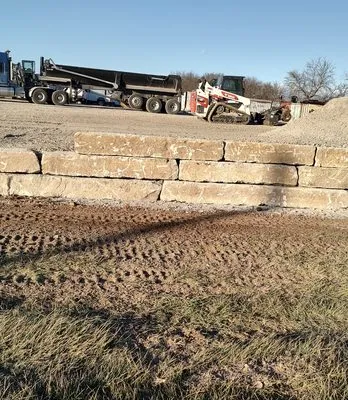
Frontier Native Stone is a locally owned and operated business in Alma, KS, specializing in general contracting, landscaping, and excavation services. We provide beautiful, natural tan limestone from ...
Savage Lawns is a locally owned and operated lawn care business in Topeka, KS, founded by Cale Savage, a student athlete at Washburn University. With a background in athletics and lifelong experience ...
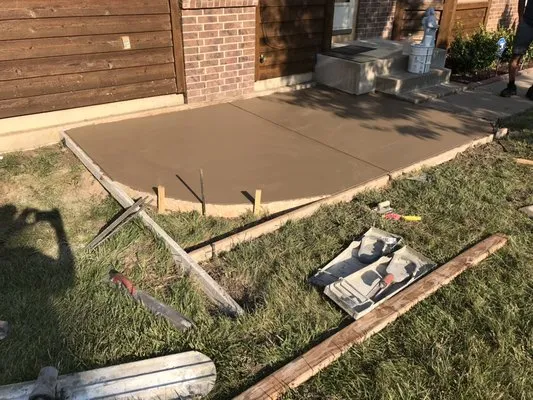
Topeka's Affordable Lawn Care
Topeka's Affordable Lawn Care LLC is a locally owned and operated business that grew from a personal passion into a trusted community service. Founded by someone who genuinely loves the outdoors, gard...
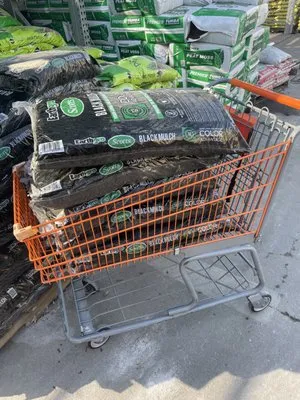
Lawn & Landscaping By Brandon is a locally owned and operated service in Topeka, KS, dedicated to enhancing and maintaining your property. We combine years of hands-on experience with a practical unde...
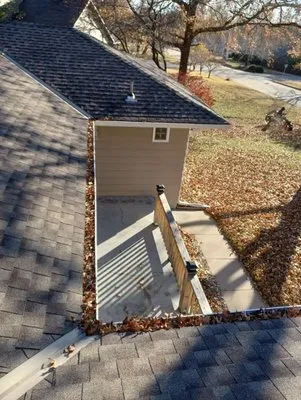
Eben Ezer Landscaping is a trusted, locally-owned landscaping and snow removal company serving Topeka, Kansas. We specialize in comprehensive snow removal services to keep your property safe and acces...
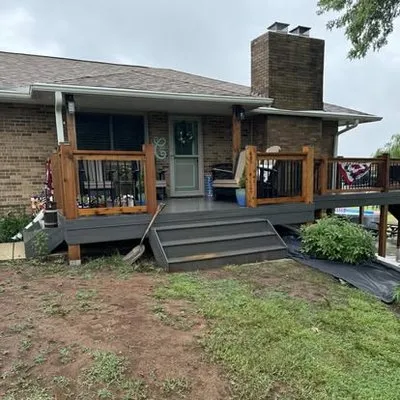
Prime Gravel LLC is a veteran-owned and operated small business based in Topeka, KS, specializing in gravel and mulch services for residential properties. Founded by locals who understand the area's s...
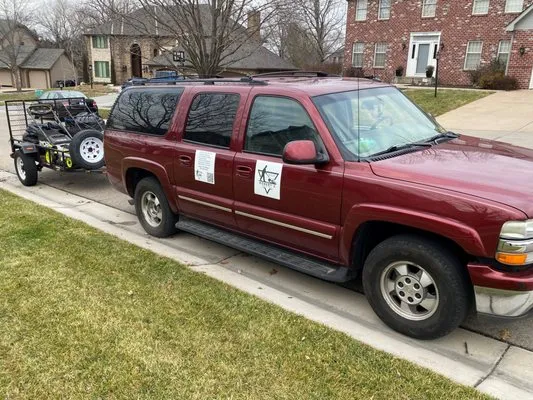
Hello, Topeka! I'm Robert McCanliss, a lifelong resident, and this is my son Myles. This summer, we decided to turn our shared passion for the outdoors into Robert's Mowing. More than just a business,...
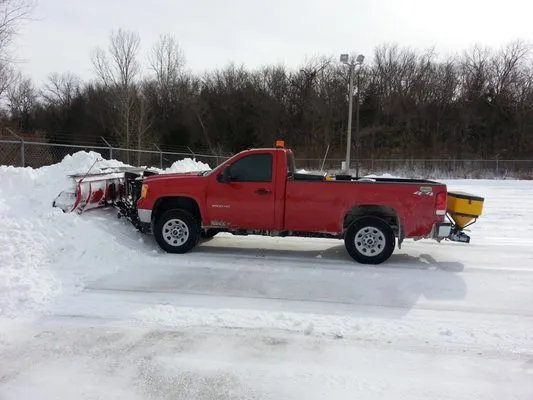
Pettigrew's Lawn Landscaping & Snow Removal
Pettigrew's Lawn Landscaping & Snow Removal is a family-owned, licensed, bonded, and insured business serving Topeka, KS. We provide expert commercial and residential lawn care and snow removal servic...
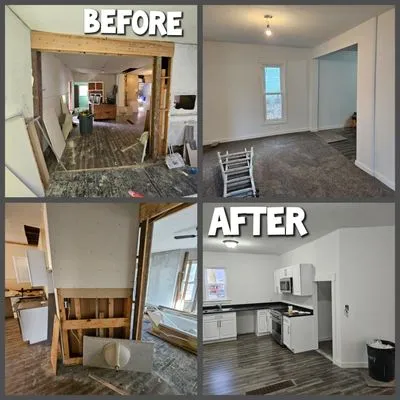
Amigos 4 Less is a Topeka-based, family-owned business dedicated to transforming your property with a personal touch. We approach every project, from difficult eviction cleanouts and abandoned propert...
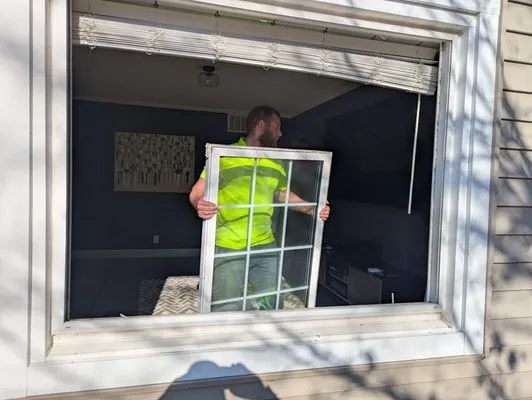
Bang Stick Customs is a versatile Topeka-based service provider specializing in handyman, landscaping, and auto repair solutions. With expertise across appliance installation, auto diagnostics, home r...
Estimated Landscaping Service Costs in Lyndon, KS
Q&A
Is crushed limestone or wood better for patios and pathways in Lyndon?
Crushed limestone offers superior longevity with minimal maintenance compared to wood, which requires regular treatment against rot and insects. The light color reflects heat, reducing urban heat island effect while providing stable footing. For properties with Moderate Firewise USA ratings, limestone creates defensible space without combustible materials near structures. Its permeability manages runoff better than solid surfaces, and proper compaction ensures decades of service with occasional regrading.
Should I replace part of my high-maintenance lawn with native plants in Lyndon?
Transitioning turf areas to native species like Purple Coneflower, Little Bluestem, and Butterfly Milkweed reduces maintenance by 60-70% while supporting local biodiversity. Native plantings require minimal watering once established and eliminate weekly mowing needs from April through October. This approach anticipates potential gas-blower restrictions under noise ordinances by creating self-sustaining landscapes. Leadplant and Switchgrass provide year-round structure while attracting pollinators adapted to USDA Zone 6a conditions.
How can I maintain my Tall Fescue lawn during Lyndon's voluntary water conservation periods?
Smart Wi-Fi weather sensing controllers optimize irrigation by using real-time evapotranspiration (ET) data to apply only necessary water. These systems automatically adjust schedules based on temperature, humidity, and rainfall, typically reducing water use by 20-30% while preserving turf health. During Stage 0 voluntary conservation, deep but infrequent watering (1-1.5 inches weekly) encourages deeper root growth. Properly programmed controllers help Tall Fescue withstand dry periods without exceeding municipal water guidelines.
What's the best solution for moderate clay-based runoff in my Lyndon yard?
Silty clay loam soils in Lyndon have low permeability, causing surface runoff during heavy rains. Installing French drains with gravel channels redirects water away from foundations, while rain gardens with native plants absorb excess moisture. Crushed limestone hardscapes provide permeable surfaces that meet Osage County Planning and Zoning runoff standards. These solutions work together to manage moderate drainage hazards by increasing infiltration rates and reducing erosion on sloped properties.
Why does my Lyndon Central yard have such dense, compacted soil that struggles to absorb water?
Lyndon Central properties built around 1961 have 65 years of soil development, creating mature silty clay loam with high compaction. This soil type naturally forms dense layers that restrict water percolation and root penetration. Core aeration every 2-3 years breaks up compaction, while adding 2-3 inches of composted organic matter improves soil structure and microbial activity. These amendments increase permeability, allowing better water infiltration and reducing surface runoff common in established neighborhoods.
What permits and licenses are needed for grading work on my quarter-acre Lyndon property?
Significant grading on 0.25-acre lots requires permits from Osage County Planning and Zoning to ensure proper drainage and erosion control. Contractors must hold appropriate licensing through the Kansas Department of Agriculture, verifying training in soil management and runoff prevention. Professional licensing ensures compliance with state BMP guidelines for fertilizer application and sediment control. Unpermitted grading can violate county standards and create downstream flooding issues, making proper documentation essential for property improvements.
How quickly can you respond to an emergency tree cleanup after a storm in Lyndon?
Emergency storm response from the Osage County Courthouse area typically takes 20-30 minutes during peak conditions via US-75. Our electric maintenance fleet operates within standard noise nuisance ordinances while providing rapid deployment. For HOA compliance issues requiring immediate attention, we prioritize routes through Lyndon Central to minimize disruption. This response window accounts for traffic patterns and equipment mobilization while maintaining safety protocols.
What invasive species should I watch for in Lyndon, and how do I treat them safely?
Japanese knotweed and musk thistle pose significant threats in Osage County, spreading rapidly through root systems and seed dispersal. Manual removal before seed set combined with targeted herbicide applications during active growth phases provides effective control. Treatment timing avoids state BMP guideline blackout dates while preventing damage to desirable vegetation. Regular monitoring in early spring catches infestations when they're most manageable, protecting native plant communities from displacement.
