Top Landscaping Services in Little River, KS, 67502 | Compare & Call

There are 16 landscaping companies server in Little River KS
Eilert Repairs is your trusted local solution in Hutchinson, KS, offering comprehensive handyman, landscaping, and auto repair services. With a focus on reliability and customer satisfaction, we provi...

The Right Moves & Hauls is a Wichita-based company living by the motto, ""We're here to be a Blessing, Not a Burden."" We provide reliable and responsive moving, hauling, and junk removal services for...
For over 15 years, B&D Services has been Hutchinson's trusted local provider for comprehensive outdoor care. As a family-owned business, we specialize in professional lawn care, expert fence & gate in...

Prairie Hills Nursery and Plant Shop
Prairie Hills Nursery and Plant Shop is a family-owned destination for gardeners and homeowners in Hutchinson, KS, dedicated to cultivating beauty suited for central Kansas. We offer a carefully curat...
Freedom Lawn Care is your trusted, full-service property partner in Nickerson, KS. We specialize in lawn care, tree services, and junk removal to help you maintain a beautiful and functional outdoor s...

Wetlands Irrigation & Turf
Wetlands Irrigation & Turf is a licensed irrigation contractor based in Galva, KS, with over 20 years of experience serving the local community. Our team is dedicated to providing reliable irrigation,...
Full Send Lawn Care is a New Cambria lawn service built on the principle that quality work shouldn't break the bank. We pride ourselves on offering reliable, comprehensive care at competitive rates, o...
Those Pest Solutions is a locally owned and operated business in Hesston, KS, founded by a pest management professional with extensive national experience. After years working for a large national com...
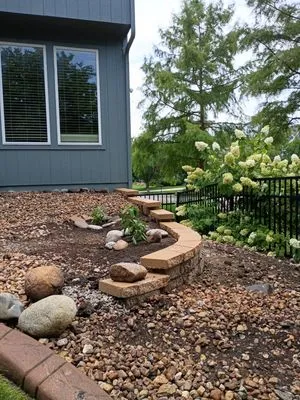
Finchs Landscaping is your Hutchinson-based partner for creating and maintaining a beautiful, functional outdoor space. We understand that local homeowners frequently face issues like landscape edging...
Brogan Landscaping & Lawn Care Service is a Hutchinson-based company specializing in comprehensive outdoor solutions for residential and commercial properties. With expertise in landscape design, cons...
Estimated Landscaping Service Costs in Little River, KS
Questions and Answers
How do I manage invasive species without harming waterways?
Japanese knotweed and musk thistle pose significant threats in Rice County, requiring targeted treatment outside State BMPs phosphorus application windows near waterways. Manual removal before seed set combined with spot-applied glyphosate in fall minimizes chemical use. Always check Kansas Department of Agriculture guidelines for current blackout dates protecting aquatic ecosystems. Proper disposal prevents reinfestation while maintaining watershed health.
What alternatives reduce maintenance while supporting local ecology?
Replacing high-maintenance turf with Little Bluestem, Purple Coneflower, Butterfly Milkweed, and Switchgrass creates resilient landscapes requiring minimal inputs. These natives support pollinators while reducing mowing frequency and eliminating gas-powered blower use ahead of tightening noise ordinances. Established native plantings need only seasonal attention, converting weekly maintenance into quarterly ecological stewardship. This transition aligns with 2026 biodiversity standards for urban landscapes.
What permits and licenses are needed for landscape grading work?
Grading on 0.25-acre lots requires Rice County Planning & Zoning approval for drainage alterations exceeding 100 cubic yards of soil movement. Contractors must hold Kansas Department of Agriculture licensing for soil erosion control and proper disposal practices. Unlicensed grading risks fines up to $5,000 and mandatory restoration orders. Always verify current license status through state databases before authorizing earthwork on your property.
Why does my Little River lawn struggle despite regular watering and fertilizing?
Central Little River Residential District properties average 82 years of soil development since 1944 construction, creating compacted silty clay loam with pH 7.2-7.5. This alkaline, dense soil restricts root penetration and water infiltration below surface layers. Core aeration every 2-3 years combined with organic amendments like composted leaf mold improves soil structure and microbial activity. Proper soil management addresses the fundamental limitation rather than temporary symptom treatments.
Is native crushed limestone better than wood for pathways and patios?
Native crushed limestone offers superior longevity with minimal maintenance compared to wood's decay cycle in Kansas' climate. Its light color reflects heat, reducing urban heat island effect while providing fire-resistant material for Moderate Fire Wise Rating defensible space requirements. Properly compacted limestone pathways last decades without replacement, avoiding the chemical treatments and frequent repairs associated with wood structures in our environment.
What solutions address seasonal runoff and siltation in my yard?
Silty clay loam's moderate permeability causes surface runoff that carries sediment during heavy rains. Installing French drains with clean gravel and native crushed limestone creates permeable pathways that meet Rice County Planning & Zoning runoff standards. Grading adjustments of 2% slope direct water away from foundations while bioswales planted with native grasses filter silt. These integrated approaches manage water volume and quality simultaneously.
Can I maintain Tall Fescue turf under Stage 1 water restrictions?
Smart Wi-Fi weather-based controllers calculate ET (evapotranspiration) rates to deliver precise irrigation matching municipal conservation guidelines. These systems adjust watering schedules based on real-time weather data, reducing Tall Fescue requirements by 30-40% while maintaining turf health. Deep, infrequent watering encourages deeper root systems that better withstand drought periods. This approach preserves turf quality while respecting voluntary conservation measures.
How quickly can you respond to storm damage requiring HOA compliance?
Emergency cleanup crews dispatch from Little River City Park via K-4 Highway, reaching Central Little River Residential District within 20-30 minutes during peak conditions. Our electric maintenance fleet operates within standard daylight hours (7:00 AM - 9:00 PM) to comply with noise ordinances while providing rapid response. We prioritize safety hazards like downed limbs over aesthetic concerns, with documentation for insurance and HOA requirements.
