Top Landscaping Services in Linn Valley, KS, 66040 | Compare & Call

There are 10 landscaping companies server in Linn Valley KS
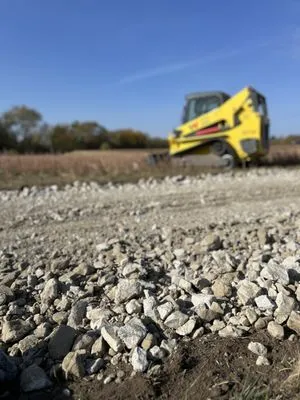
Glacial Plains Land Services is a Paola, Kansas, contractor with deep roots in the local landscape. We specialize in transforming and maintaining rural properties with services from land clearing and ...
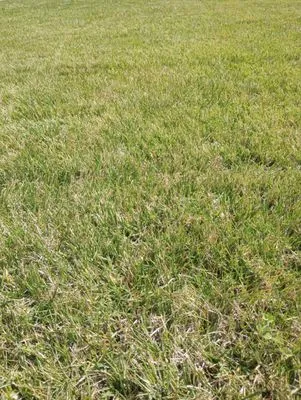
A & Z Lawn Care is a trusted, full-service landscaping company serving Paola, KS, and the surrounding areas. We specialize in comprehensive lawn care, tree care services, and gutter maintenance to kee...
Linn Valley Landscaping is a trusted local landscaping company serving homeowners in Linn Valley, KS. We specialize in addressing common local landscaping challenges, including tree root lawn damage a...
Dreamscape Innovations
Dreamscape Innovations Inc. has grown from a local Mound City business into a trusted name for comprehensive outdoor solutions across Linn County. We understand the unique seasonal challenges of our r...

Unity X Ranch is a Mapleton-based excavation and land management company built on a foundation of faith and hard work. We believe in showing up for our neighbors with reliable equipment and a commitme...
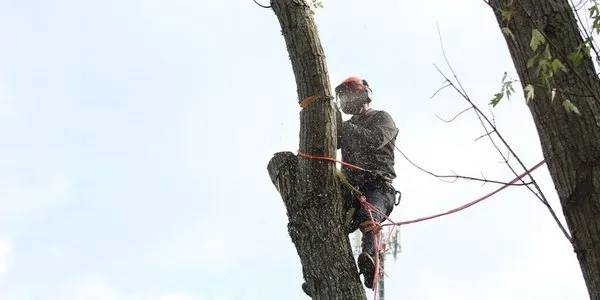
Founded in the fall of 2023 by Tyler Sundin and Patrick Libby, Gummarus Lawn and Tree was born from a shared vision to bring reliable, high-quality tree and lawn care to the Kansas City metro area. Ty...

Key Lawn & Tree
Key Lawn & Tree is a trusted local provider in Linn Valley, KS, specializing in comprehensive tree care and landscaping services. With expertise in irrigation design, landscape maintenance, and tree p...
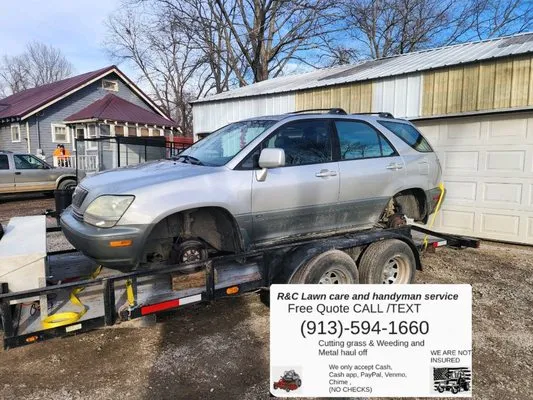
R&C Lawn Care And Handyman Service is a trusted local provider in LaCygne, KS, offering comprehensive solutions for landscaping, junk removal, and handyman needs. Many homes in the area face common is...
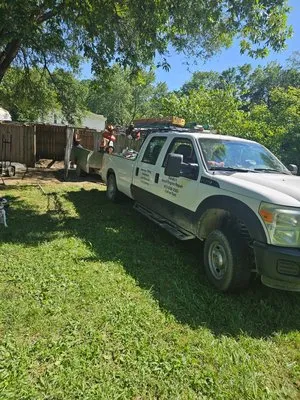
Randy's Small Engine Repair
Randy's Small Engine Repair in Pleasanton, KS is a family-run business that blends decades of professional experience with a personal touch. After years of working for companies while taking on side p...
Valley Lawn And Landscape is a trusted local lawn and tree service provider serving LaCygne, KS, and the surrounding area. We specialize in comprehensive lawn care and expert tree care services to add...
Estimated Landscaping Service Costs in Linn Valley, KS
Questions and Answers
Our backyard develops standing water for days after storms. What solutions work with Linn County's runoff regulations?
Moderate runoff in silt loam with clay subsoil requires permeability enhancement. We install French drains with clean crushed limestone aggregate that meets Linn County Planning & Zoning's 50% void space standard for subsurface systems. Grading swales at 2% slope toward rain gardens planted with Switchgrass provides biological filtration while handling 1.5 inch per hour rainfall events.
We've spotted invasive Japanese knotweed near our property line. How do we treat it without violating fertilizer regulations?
Japanese knotweed requires systemic herbicide application during active growth phases, avoiding Kansas BMP blackout dates before forecasted heavy rain. We use cut-stem treatments with glyphosate formulations labeled for aquatic margins, followed by solarization with clear polyethylene for 8-10 weeks. This prevents nitrogen runoff while ensuring complete rhizome eradication before reseeding with native Switchgrass buffers.
How can we maintain Tall Fescue during summer while following Linn Valley's water conservation guidelines?
Wi-Fi ET-based weather sensing irrigation calculates evapotranspiration rates specific to your microclimate. The system automatically adjusts runtime to deliver 1-1.5 inches weekly during Stage 0 voluntary conservation. Deep, infrequent watering at dawn encourages 8-10 inch root development in Tall Fescue while reducing surface evaporation by 30-40% compared to manual schedules.
We want to regrade our 0.35 acre lot for better drainage. What permits and contractor qualifications are required?
Linn County Planning & Zoning requires erosion control permits for any grading moving over 50 cubic yards of earth. Contractors must hold Kansas Department of Agriculture Pesticide Applicator licenses for adjacent vegetation management and business registration for landscape architecture services. On 0.35 acre parcels, certified professionals document soil compaction testing to ensure post-construction permeability meets original drainage coefficients.
We need emergency storm debris removal to meet HOA compliance deadlines. What's your fastest response time?
Our dispatch routes from the Linn Valley Lakes Clubhouse via US-69 achieve 45-60 minute arrival during peak conditions. We maintain dedicated storm response crews with electric chippers that operate within the 7am-9pm noise ordinance. For time-sensitive HOA violations, we prioritize properties with visible safety hazards or drainage blockages from the roadway.
We want to reduce mowing and gas equipment noise while supporting pollinators. What native options thrive here?
Replacing 500-1000 square feet of Tall Fescue with Big Bluestem and Purple Coneflower establishes self-sustaining habitat. These deep-rooted natives require no irrigation after establishment and eliminate weekly mowing emissions. Butterfly Milkweed supports monarch migration corridors while creating natural firebreaks that exceed WUI Zone 2 defensible space requirements without gas-powered maintenance.
We're considering a new patio. How does crushed limestone compare to wood for durability and fire safety?
Crushed limestone compacted to 95% Proctor density provides permanent, non-combustible surfaces that meet Moderate fire-wise ratings. Unlike wood decks requiring chemical treatments, limestone's 50+ year lifespan comes from its natural cementation process. For defensible space in WUI Zone 2, we maintain 5-foot mineral soil barriers around structures using the same material, eliminating flammable organic mulch near foundations.
Our Linn Valley Lakes yard seems compacted and drains poorly after rain. Is this typical for our neighborhood's soil?
Linn Valley Lakes properties built around 1998 have 28-year-old soil profiles. The silt loam common here naturally compacts over time, reducing permeability to 0.5-1.5 inches per hour. Core aeration every 2-3 years introduces oxygen channels while top-dressing with 0.25 inches of composted organic matter rebuilds soil structure. This addresses the pH 6.5-7.2 buffer capacity that limits nutrient availability in mature lawns.
