Top Landscaping Services in Liberal, KS, 67901 | Compare & Call

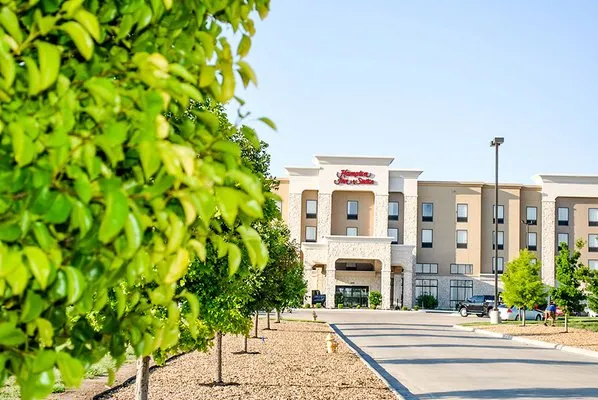
GAS Lawn Pros is a family-owned lawn care company founded in Liberal, Kansas, in 2007 by Grant and Amanda Sallaska. Built on Christian principles of relationship and service, they focus on creating ge...

DV Enterprises LLC is a family-owned and operated business serving Liberal and Southwest Kansas since 2004. With roots in the local agriculture industry dating back to the 1970s, we bring generations ...
Pro Scapes is a family-owned landscaping company serving Liberal, KS and surrounding areas since 2001. With over 30 years of combined experience, we provide comprehensive landscaping solutions includi...

Thomas Landscape & Nursery is a trusted local landscaping company serving Liberal, KS, and the surrounding area. We specialize in diagnosing and solving common local lawn problems, particularly moss g...
Furr Lawn & Landscape is a full-service landscaping company proudly serving Liberal, KS. We understand the local challenges homeowners face, including patchy, struggling grass and insect damage that c...
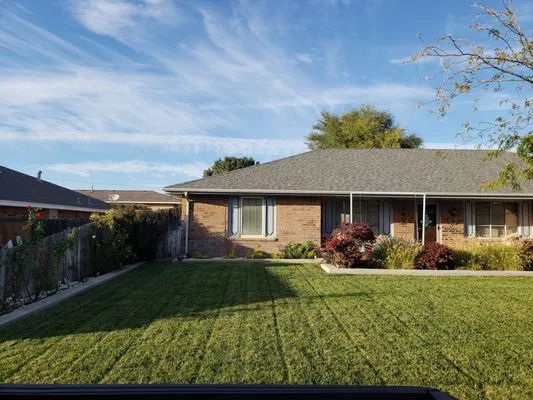
Lawn N Order is a trusted local landscaping and snow removal service, proudly serving Liberal, KS, and the surrounding area since 2015. We specialize in providing reliable, year-round outdoor maintena...
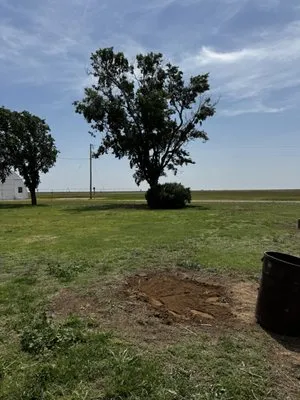
RO Services is a trusted, full-service landscaping and demolition company serving Liberal, KS, and the surrounding area. We specialize in a comprehensive range of services, from interior and exterior ...

Gary's Yard Maintenance is your local, reliable partner for keeping your Liberal property in great shape. We provide personalized and affordable lawn care, including mowing and edging, along with esse...
Question Answers
Our 1970s-era lawn in Sunflower Estates is thin and compacted. What's the underlying issue?
Homes built around 1971, like many in Sunflower Estates, have soil over 50 years old that has settled into a dense, calcareous silty clay loam. This soil naturally has high alkalinity (pH 7.9-8.2) and poor permeability, which starves grass roots of air and water. Core aeration is critical to break up the crust, followed by amending with composted organic matter to improve soil structure and slowly lower pH for healthier plant growth.
Do we need a permit to regrade our 0.22-acre lot, and what should we check for in a contractor?
Significant grading that alters water flow or involves retaining walls over a certain height typically requires a permit from the Liberal Building & Zoning Department. For any contractor performing this work, verify they hold the proper licensing through the Kansas Department of Agriculture, which regulates landscape architecture and contracting. This ensures they are bonded, insured, and knowledgeable about local soil stability and drainage codes for a lot of your size.
Is limestone a better choice than wood for a new patio in our fire-prone area?
Yes, permeable limestone pavers are superior for durability and fire safety. Unlike wood, limestone is non-combustible and will not degrade or warp over time. For properties in Moderate (WUI Zone 2) fire risk areas, using non-flammable materials like stone for the first 5-10 feet around your home is a recommended defensible space practice. Limestone also complements the regional geology and manages runoff effectively.
We need emergency storm debris cleanup to meet an HOA deadline. What's your response protocol?
For urgent compliance, our electric fleet can dispatch from near the Mid-America Air Museum. We route via US-54 to reach Sunflower Estates, targeting a 20-30 minute arrival during peak response times. Our quiet, battery-powered equipment allows us to operate effectively within standard daylight hours (7:00 AM to 9:00 PM) to clear debris without violating noise ordinances.
Water pools in our yard after rain. What's a long-term solution for this clay soil?
High runoff and surface crusting are typical of our calcareous silty clay loam. The solution integrates soil improvement with strategic hardscaping. First, aerate and amend soil to increase infiltration. For new patios or walkways, specify permeable limestone pavers, which allow water to pass through and recharge the groundwater. This approach directly addresses runoff and often helps meet the Liberal Building & Zoning Department's standards for on-site stormwater management.
We've spotted invasive bindweed. How do we treat it without harming the environment?
Bindweed is a persistent threat. For safe control, use a targeted systemic herbicide applied directly to the foliage in late spring or early fall when the plant is actively transporting nutrients to its roots. This spot-treatment method minimizes chemical use. Always follow state-regulated nutrient and pesticide application guidelines, and avoid any treatments during periods of plant stress or drought to prevent runoff into the ecosystem.
How can we keep our Buffalo Grass healthy during voluntary water conservation?
Smart, Wi-Fi ET-based irrigation is the key. This system uses local weather data to apply water only when needed, matching the precise evapotranspiration rate of your Buffalo Grass. This method often uses less water than a fixed schedule, keeping you well within Stage 1 voluntary conservation limits. It prevents overwatering, which is especially harmful in our alkaline soils, and promotes deeper, drought-tolerant roots.
We want to reduce mowing and gas equipment noise. What's a good alternative to traditional turf?
Transitioning to a native grass and wildflower meadow is ideal. Planting Little Bluestem, Buffalo Grass, Purple Coneflower, and Maximilian Sunflower creates a resilient, low-water landscape that thrives in Zone 6b. This eliminates bi-weekly mowing and the associated noise, future-proofing your property against tightening gas-blower ordinances. It also provides critical habitat, aligning with 2026 biodiversity goals for urban landscapes.
