Top Landscaping Services in Leoti, KS, 67861 | Compare & Call

There are 47 landscaping companies server in Leoti KS
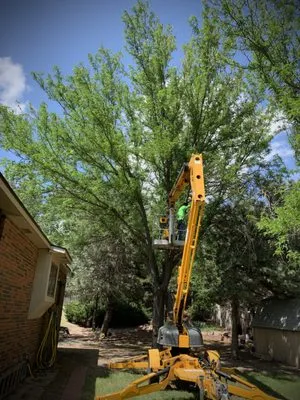
Juarez Lawn & Landscaping has been serving Dodge City, KS, since 2000, providing reliable landscaping, fencing, and tree services. We specialize in both residential and commercial projects, offering l...
Coltons Lawn Care is your trusted local lawn service provider in Garden City, KS. We specialize in comprehensive lawn care to help homeowners maintain a healthy, beautiful yard year-round. We understa...
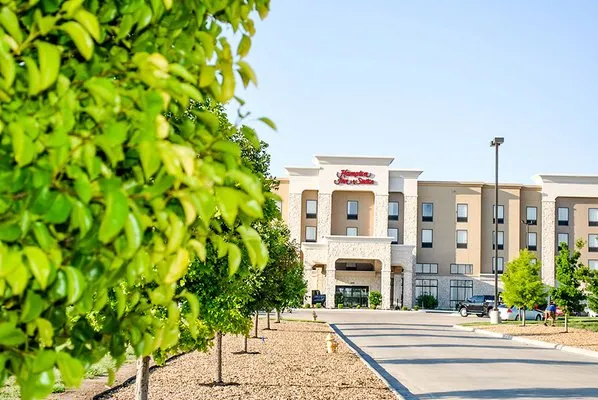
GAS Lawn Pros is a family-owned lawn care company founded in Liberal, Kansas, in 2007 by Grant and Amanda Sallaska. Built on Christian principles of relationship and service, they focus on creating ge...
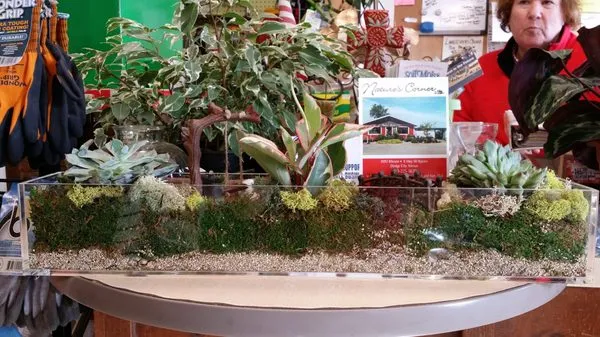
Nature's Corner Garden Center & Nursery
Nature's Corner Garden Center & Nursery is Dodge City's trusted source for comprehensive gardening and landscaping solutions. More than a supplier, we are your local partners in creating and maintaini...
JCH Multi Services
JCH Multi Services is a trusted local provider in Dodge City, KS, specializing in comprehensive lawn and landscape solutions. Many homes in our area struggle with common landscaping issues like dead l...
R&R Landscape is a trusted landscaping company serving Garden City, KS, dedicated to addressing common local landscaping challenges. Many homes in the area face issues like landscape edging damage and...
Official Landscape is a full-service landscaping company serving Kismet, KS, specializing in comprehensive outdoor solutions for local homeowners. We address common local issues like tree root lawn da...

Pro Tech Spraying Service
Pro Tech Spraying Service is your local expert in Cimarron, KS, dedicated to the health and beauty of your outdoor spaces. We specialize in comprehensive tree care and lawn maintenance, offering servi...
Green World Lawn Care
Green World Lawn Care is Dodge City's trusted partner for transforming and maintaining healthy, resilient landscapes. We specialize in resolving the most common local issues, like poor lawn grading th...
CMS Lawncare is a trusted local lawn service provider in Dodge City, KS, specializing in comprehensive lawn care solutions. We understand that many homeowners in our area face common landscaping chall...
Estimated Landscaping Service Costs in Leoti, KS
Q&A
What are the benefits of switching from traditional turf to native plants?
Transitioning to a landscape of Little Bluestem, Sideoats Grama, Purple Prairie Clover, and Butterfly Milkweed reduces water, mowing, and chemical inputs. This xeriscaping approach builds soil health and supports local pollinators. It also future-proofs your property against increasing noise ordinances targeting gas-powered blowers and mowers, as native plantings require minimal, quieter electric maintenance.
My yard pools water after rains. What's a long-term solution?
Moderate runoff is common here due to Ulysses Silt Loam's clay subsoil, which slows permeability. A functional solution involves regrading to create positive drainage away from foundations and installing French drains. Using local Sandstone Pavers for patios or walkways in a permeable base system can also reduce surface runoff, helping meet Wichita County Planning & Zoning standards for stormwater management.
What invasive species should I watch for, and how do I control them safely?
Common invaders in Zone 6a include Field Bindweed and Musk Thistle. Treatment involves timely mechanical removal or careful, targeted herbicide application during active growth phases, always following label instructions. It is critical to avoid any treatment during Kansas' state-mandated fertilizer blackout dates to prevent runoff and comply with all regulations, even without a specific municipal nitrogen ban.
Do I need a permit to regrade my yard or install a new patio?
Regrading that alters water flow or installing a substantial hardscape often requires a permit from Wichita County Planning & Zoning. For a 0.25-acre lot, significant earthmoving may impact drainage patterns for adjacent properties. Ensure any contractor holds appropriate licensing through the Kansas Department of Agriculture, which validates competency in pesticide application, irrigation, and proper construction techniques.
Is it possible to have a green lawn under Stage 1 water conservation rules?
Yes, using an ET-based Soil Moisture Sensor (SMS) Controller is key. This technology irrigates only when soil moisture drops below a set threshold, preventing overwatering. For Leoti's climate, pairing this with drought-adapted Buffalograss or deep-rooted Tall Fescue maximizes water use efficiency. This system often keeps water usage well within voluntary conservation limits while maintaining plant health.
How fast can you respond for an emergency storm cleanup to meet HOA deadlines?
For urgent compliance or storm debris removal, our dispatch prioritizes routes from the Wichita County Courthouse. Using K-96, we can typically reach Central Leoti addresses within the 45-60 minute window noted for peak storm response. This efficiency is aided by an electric fleet that complies with standard noise nuisance ordinances during early morning or evening work.
Are sandstone patios a good choice compared to wood decks?
Local Sandstone Pavers offer superior longevity and minimal maintenance compared to wood, which requires regular sealing and is susceptible to rot. Sandstone is also non-combustible, a significant advantage for creating defensible space in Leoti's Moderate Fire Wise rating zone. Its natural thermal mass helps moderate soil temperature, benefiting nearby plantings.
Why does my yard struggle with compaction and thin grass compared to newer neighborhoods?
Properties in Central Leoti, built around the late 1960s, have nearly 60 years of soil maturity. The native Ulysses Silt Loam has a high pH and is prone to clay subsoil compaction from decades of conventional maintenance. This compaction restricts root growth and water percolation. Core aeration and incorporating organic compost are essential to rebuild soil structure and support healthy turf like Buffalograss.
