Top Landscaping Services in Lansing, KS, 66043 | Compare & Call
There are 110 landscaping companies server in Lansing KS
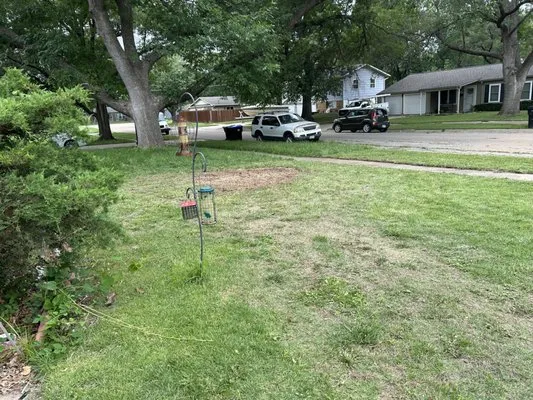
Greentouch Lawn & Tree has been a trusted part of the Topeka community since 2007, building a reputation for dependable, environmentally conscious landscaping and tree care. We are a professional team...
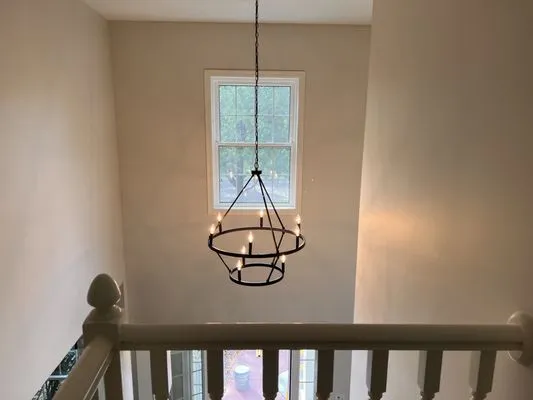
Happy Helpers is a locally-owned and operated home services company proudly serving Shawnee, Olathe, Overland Park, and the greater Kansas City metro. Based right here in Shawnee, KS, we are a license...
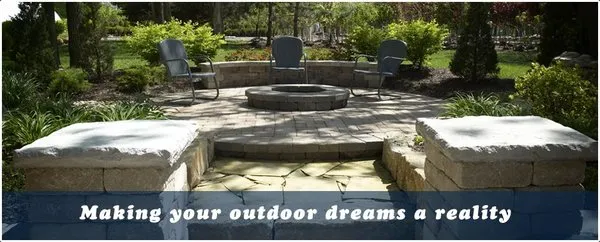
Curby's Lawn & Garden is a trusted, family-owned landscaping and irrigation company serving Gardner, Olathe, Shawnee, and surrounding Johnson County communities since 1984. We specialize in transformi...

Tidd Lawn Care is a trusted landscaping company serving Kansas City, KS, specializing in comprehensive lawn and shrub care. We offer landscape construction, maintenance, greenscape construction, and d...

Mill Lawn Service is a trusted, family-operated landscaping company proudly serving the Stilwell community and the greater Kansas City metro since 1986. Founded by Brian Driskell, we provide reliable,...
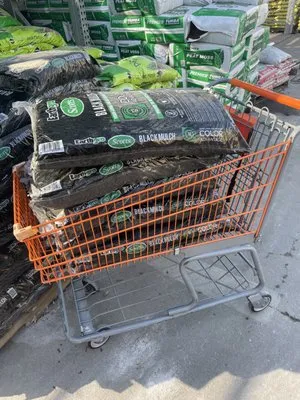
Lawn & Landscaping By Brandon is a locally owned and operated service in Topeka, KS, dedicated to enhancing and maintaining your property. We combine years of hands-on experience with a practical unde...
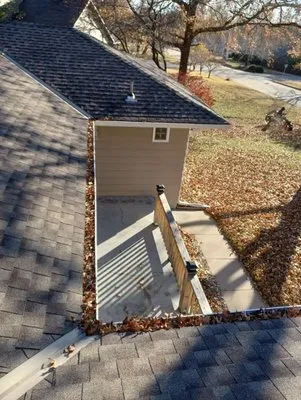
Eben Ezer Landscaping is a trusted, locally-owned landscaping and snow removal company serving Topeka, Kansas. We specialize in comprehensive snow removal services to keep your property safe and acces...
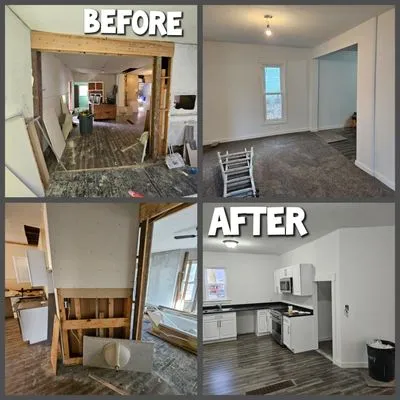
Amigos 4 Less is a Topeka-based, family-owned business dedicated to transforming your property with a personal touch. We approach every project, from difficult eviction cleanouts and abandoned propert...
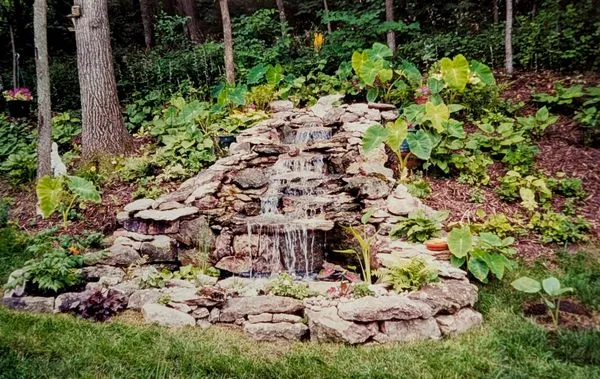
Titan Tiger LLC is a faith-based, family-owned and operated business serving McLouth, KS, with a mission to deliver exceptional customer service and professional results. We work closely with clients ...
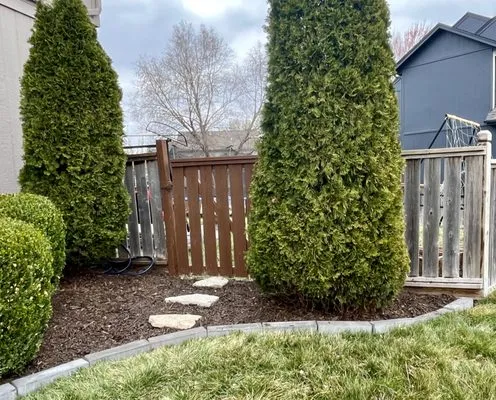
Landscape By Design is a Kansas City-based lawn care and landscape architecture firm focused on creating beautiful, sustainable, and functional outdoor spaces. We understand the common local frustrati...
Estimated Landscaping Service Costs in Lansing, KS
Questions and Answers
What alternatives reduce maintenance while supporting pollinators?
Transitioning high-maintenance turf to Purple Coneflower, Little Bluestem, Butterfly Milkweed, and Wild Bergamot creates self-sustaining habitat requiring minimal intervention. These deep-rooted natives survive drought periods without irrigation while providing year-round visual interest. Electric maintenance equipment operates quietly within noise ordinance hours, eliminating gas-blower emissions while supporting 2026 biodiversity targets for urban landscapes.
Why does my Lansing Heights lawn struggle despite regular care?
Lansing Heights properties average 40 years of soil development since 1986 construction. Decades of compaction from maintenance equipment and foot traffic have degraded the native silt loam structure, reducing permeability below optimal levels for root growth. Core aeration every 2-3 years introduces oxygen channels while incorporating composted organic matter addresses nutrient depletion. This approach restores the soil's natural pH balance of 6.5-7.0 without chemical dependency.
How quickly can you address storm damage for HOA compliance?
Emergency cleanup crews dispatch from Lansing City Hall via K-7 highway, reaching Lansing Heights properties within 20-30 minutes during peak response windows. Our electric maintenance fleet operates within 10 PM to 7 AM noise ordinance restrictions while handling fallen branches, debris clearance, and turf restoration. This rapid response prevents HOA violations while minimizing secondary damage to landscape infrastructure.
What permits and licenses are required for landscape grading?
Grading a 0.35-acre Lansing lot requires erosion control permits from Lansing Community & Economic Development to prevent sediment runoff into waterways. The Kansas Department of Agriculture licenses professionals performing earthwork exceeding 100 cubic yards. Certified contractors carry insurance covering subsurface utility strikes and soil stability issues. These requirements ensure compliance with state BMPs while protecting adjacent properties from drainage alterations.
How do I maintain Tall Fescue without wasting water?
Wi-Fi ET-based weather sensing irrigation calculates evapotranspiration rates using real-time Lansing weather data. This system delivers precise moisture to Tall Fescue root zones while automatically adjusting for rainfall, humidity, and temperature fluctuations. Even during Stage 0 water restrictions, this technology reduces consumption 30-40% compared to traditional timers by eliminating runoff and deep percolation losses.
Are concrete pavers better than wood for patio longevity?
Concrete pavers offer superior durability with 25-30 year lifespans versus wood's 10-15 year maximum in Lansing's freeze-thaw cycles. Their non-combustible nature supports Low Fire Wise ratings by creating defensible space without fuel accumulation. Interlocking designs accommodate soil movement while permeable options reduce runoff. Proper installation with geotextile fabric and compacted base prevents settling and weed penetration.
Why does water pool around my foundation after moderate rain?
Silt loam surfaces over clay subsoil create moderate runoff conditions common in Lansing. Water infiltrates the upper layer but encounters saturation at the clay interface, causing lateral movement and pooling. Installing permeable concrete pavers with gravel bases creates infiltration zones that meet Lansing Community & Economic Development runoff standards. French drains channel excess water away from structures while preventing soil erosion.
How do I control invasive species without harming my garden?
Japanese knotweed and garlic mustard present the highest invasion risks in Lansing's silt loam soils. Manual removal during early growth stages prevents seed dispersal while preserving soil microbiology. Spot treatments using EPA-approved herbicides follow Kansas BMPs for nutrient runoff, avoiding application during spring blackout dates. Regular monitoring catches new infestations before they establish competitive advantages over native species.
