Top Landscaping Services in Inman, KS, 67546 | Compare & Call

There are 24 landscaping companies server in Inman KS
Eilert Repairs is your trusted local solution in Hutchinson, KS, offering comprehensive handyman, landscaping, and auto repair services. With a focus on reliability and customer satisfaction, we provi...
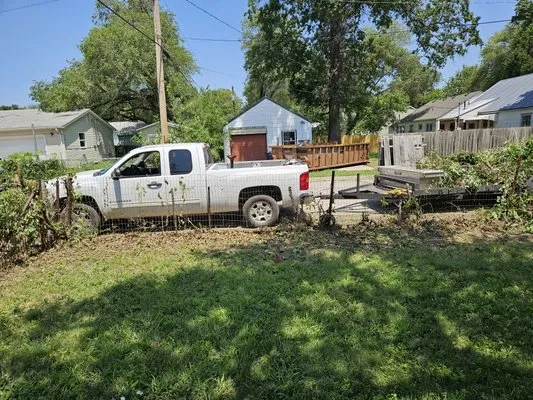
Serving El Dorado and the surrounding communities, Buzz'z Lawn & Landscaping is your local, full-service partner for outdoor care and property cleanup. We specialize in tackling the common landscaping...
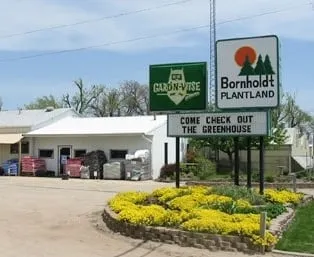
Bornholdt Plantland
Bornholdt Plantland is a family-owned and operated nursery and landscaping business with deep roots in Hutchinson, Kansas. Founded in 1943 as a feed and seed store, the company evolved into a full-ser...
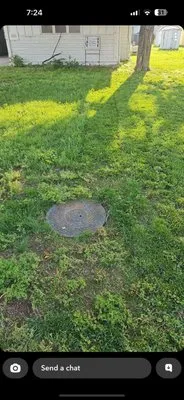
For over 15 years, B&D Services has been Hutchinson's trusted local provider for comprehensive outdoor care. As a family-owned business, we specialize in professional lawn care, expert fence & gate in...
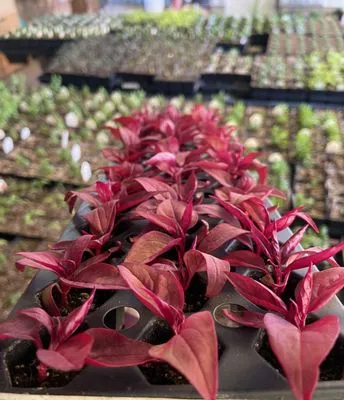
Prairie Hills Nursery and Plant Shop
Prairie Hills Nursery and Plant Shop is a family-owned destination for gardeners and homeowners in Hutchinson, KS, dedicated to cultivating beauty suited for central Kansas. We offer a carefully curat...
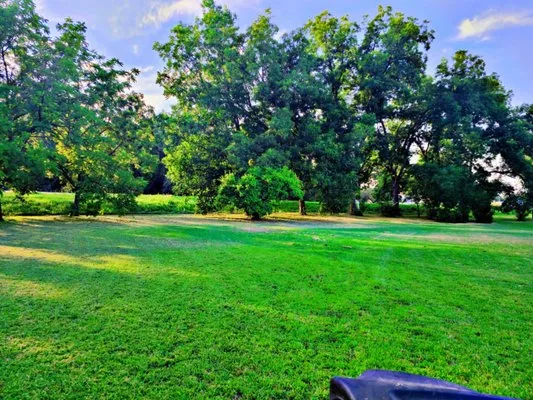
Freedom Lawn Care is your trusted, full-service property partner in Nickerson, KS. We specialize in lawn care, tree services, and junk removal to help you maintain a beautiful and functional outdoor s...
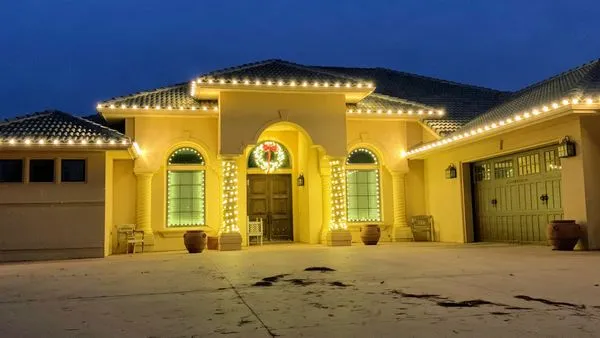
Wetlands Irrigation & Turf
Wetlands Irrigation & Turf is a licensed irrigation contractor based in Galva, KS, with over 20 years of experience serving the local community. Our team is dedicated to providing reliable irrigation,...
Plumer Lawn & Landscape has been a cornerstone of the Lindsborg community since 1977, now owned and operated by Erin Plumer since 2009. With a deep-rooted passion for the outdoors and plants, Erin and...
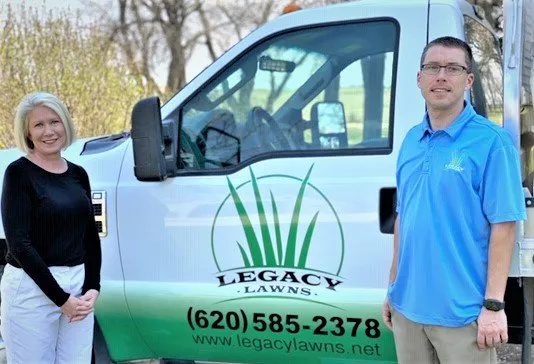
Legacy Lawns is a family-owned lawn and pest control service that has been a trusted part of the Inman, KS community since 1998. Founded by Tyler, who started working alongside his parents, the busine...
Full Send Lawn Care is a New Cambria lawn service built on the principle that quality work shouldn't break the bank. We pride ourselves on offering reliable, comprehensive care at competitive rates, o...
Estimated Landscaping Service Costs in Inman, KS
FAQs
Can I maintain a healthy Tall Fescue lawn under Inman's Stage 1 water conservation guidelines?
Yes, smart Wi-Fi ET-based weather sensing irrigation systems precisely match watering to actual evapotranspiration rates, typically reducing water use by 30-50% compared to traditional timers. These systems automatically adjust for rainfall, humidity, and temperature while maintaining Tall Fescue's 1-1.5 inch weekly requirement during peak growth. Programming deep, infrequent watering cycles encourages deeper root systems that better withstand drought conditions. This approach keeps lawns healthy while staying well within voluntary conservation targets.
What invasive species should Inman homeowners watch for, and how do we treat them safely?
Japanese knotweed and musk thistle pose significant threats in Zone 6a, exploiting disturbed soil areas and outcompeting native vegetation. Manual removal before seed set combined with targeted spot treatments using Kansas Department of Agriculture-approved herbicides provides effective control. Always apply treatments outside of state nutrient management guideline blackout dates to prevent runoff into waterways. For persistent infestations, soil solarization during peak summer heat disrupts root systems without chemical intervention.
Why does my Inman City Center lawn have compacted soil that struggles to absorb water?
Inman's 1974-built homes have 52-year-old soil profiles where decades of foot traffic and conventional maintenance have reduced permeability in the silt loam base. This soil type naturally compacts over time, creating a dense layer that restricts water infiltration and root development. Core aeration every 2-3 years introduces oxygen channels while top-dressing with composted organic matter improves soil structure. Addressing this now prevents more severe drainage issues as the soil continues to mature beyond its original installation specifications.
What permits and licenses are required for regrading my 0.22-acre Inman property?
Significant grading work on 0.22-acre lots requires both Inman City Clerk & Planning Office permits for erosion control and drainage plans, plus Kansas Department of Agriculture licensing for professionals handling soil disturbance exceeding 500 cubic yards. These regulations ensure proper sediment management that protects adjacent properties and municipal infrastructure. Unlicensed grading can result in fines up to $5,000 and mandatory restoration costs. Always verify contractor credentials through both agencies before beginning earthwork projects.
What's the best solution for occasional siltation and standing water in my Inman yard?
Silt loam's fine particles naturally lead to moderate drainage challenges, particularly in low-lying areas where water pools after heavy rains. Installing permeable concrete pavers with gravel-set bases creates infiltration zones that meet Inman City Clerk & Planning Office runoff standards. French drains with clean washed gravel and geotextile fabric prevent future siltation issues by filtering sediment before it enters the drainage system. These solutions address both surface water and subsurface saturation common in established Inman neighborhoods.
Are concrete pavers better than wood for Inman patios considering fire safety and longevity?
Concrete pavers offer superior fire resistance compared to wood, creating defensible space that supports Inman's Moderate Firewise Community rating. Their non-combustible nature reduces wildfire spread risk while providing 30+ year durability versus wood's 10-15 year lifespan with maintenance. Interlocking paver systems allow for thermal expansion and frost heave resistance crucial in Kansas freeze-thaw cycles. The initial investment returns through reduced replacement costs and lower insurance premiums in fire-adapted landscapes.
How quickly can you respond to an emergency tree cleanup after a storm in Inman?
Our electric fleet dispatches from Inman City Park within 20-30 minutes during peak response times, traveling via K-61 to reach most City Center locations. This rapid deployment meets HOA compliance deadlines while operating within municipal noise ordinance hours (8:00 AM - 8:00 PM). We prioritize safety assessments first, then implement debris removal protocols that prevent secondary property damage. The electric equipment maintains quiet operation even during extended cleanup sessions in residential neighborhoods.
How can I reduce maintenance while preparing for stricter noise and emissions regulations?
Transitioning high-maintenance turf areas to native plantings like Little Bluestem, Purple Coneflower, Butterfly Milkweed, and Switchgrass creates self-sustaining landscapes that require minimal intervention. These deep-rooted perennials survive on natural rainfall once established, eliminating weekly mowing and frequent watering. The shift to electric maintenance equipment aligns with evolving noise ordinances targeting gas-powered blowers and mowers. This approach future-proofs your landscape against both regulatory changes and increasing water constraints.
