Top Landscaping Services in Horton, KS, 66439 | Compare & Call

There are 48 landscaping companies server in Horton KS
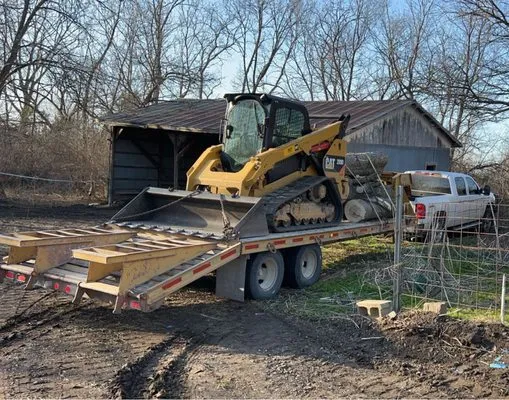
SD Excavating & Land Clearing is a trusted local contractor serving Meriden, KS, and surrounding areas. We specialize in comprehensive excavation, land clearing, and landscaping services to help homeo...
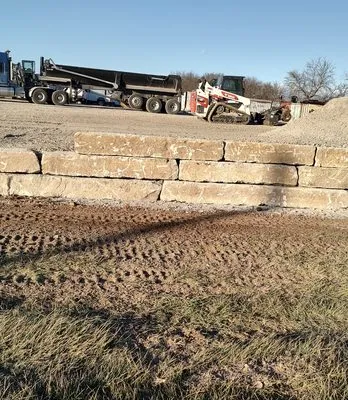
Frontier Native Stone is a locally owned and operated business in Alma, KS, specializing in general contracting, landscaping, and excavation services. We provide beautiful, natural tan limestone from ...
Savage Lawns is a locally owned and operated lawn care business in Topeka, KS, founded by Cale Savage, a student athlete at Washburn University. With a background in athletics and lifelong experience ...
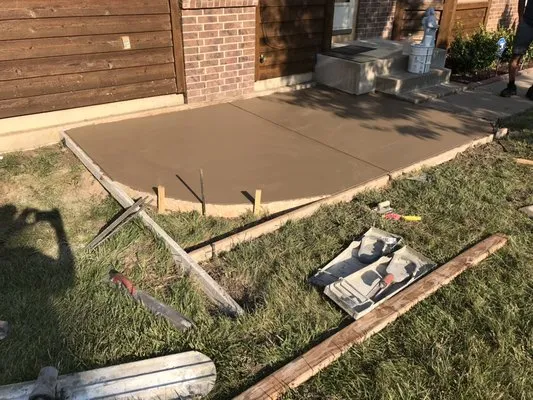
Topeka's Affordable Lawn Care
Topeka's Affordable Lawn Care LLC is a locally owned and operated business that grew from a personal passion into a trusted community service. Founded by someone who genuinely loves the outdoors, gard...
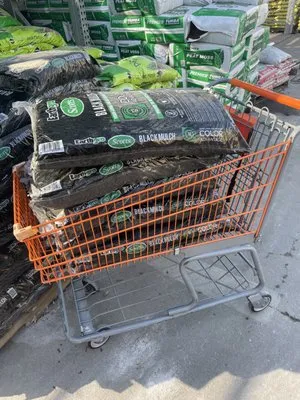
Lawn & Landscaping By Brandon is a locally owned and operated service in Topeka, KS, dedicated to enhancing and maintaining your property. We combine years of hands-on experience with a practical unde...
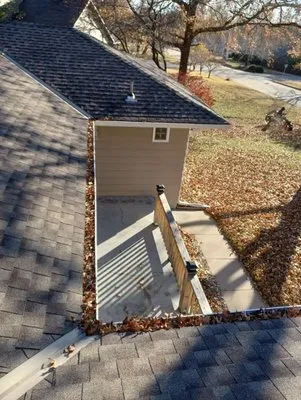
Eben Ezer Landscaping is a trusted, locally-owned landscaping and snow removal company serving Topeka, Kansas. We specialize in comprehensive snow removal services to keep your property safe and acces...
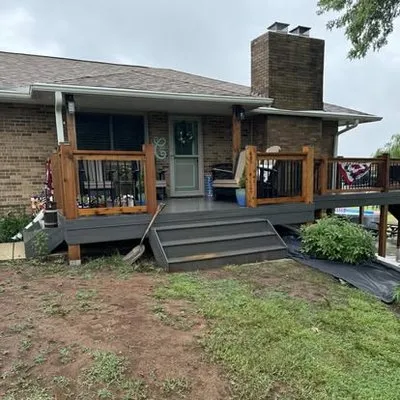
Prime Gravel LLC is a veteran-owned and operated small business based in Topeka, KS, specializing in gravel and mulch services for residential properties. Founded by locals who understand the area's s...
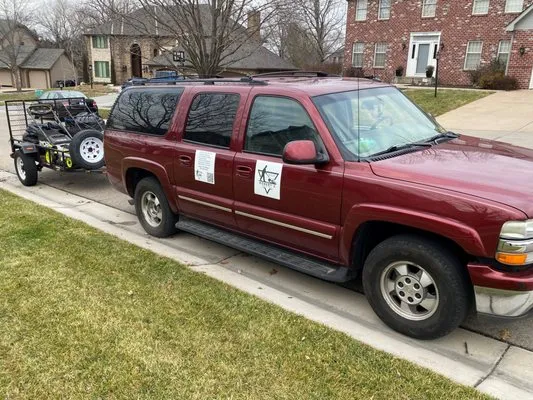
Hello, Topeka! I'm Robert McCanliss, a lifelong resident, and this is my son Myles. This summer, we decided to turn our shared passion for the outdoors into Robert's Mowing. More than just a business,...
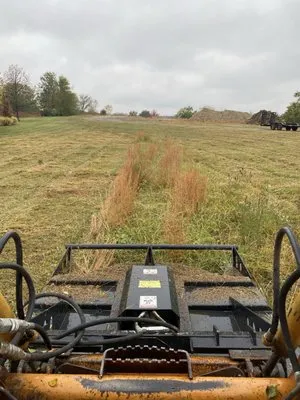
With 24 years of experience in the construction industry, M's Skid Steer Work brings deep expertise to every project in Topeka, KS. Starting from years of hands-on work, the business now focuses on he...
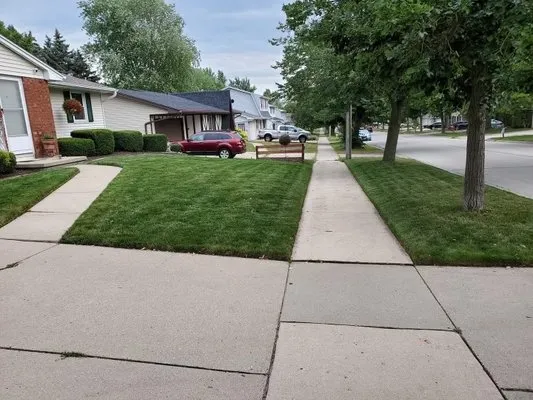
Big Cam's Lawn Care is a trusted, locally-owned lawn service provider serving homeowners throughout Topeka, KS. We understand the unique challenges Topeka properties face, including landscape edging d...
Estimated Landscaping Service Costs in Horton, KS
FAQs
Are sandstone pavers better than wood for Horton's climate?
Local sandstone pavers outperform wood with 50+ year lifespans versus wood's 15-year replacement cycle. Their non-combustible nature supports 30-foot defensible space requirements for moderate fire-wise zones, while thermal mass moderates soil temperature fluctuations in USDA Zone 5b. Properly installed with geotextile underlayment, they resist frost heave and maintain permeability for drainage compliance.
What permits and licenses are needed for grading my 0.22-acre lot?
Grading exceeding 50 cubic yards requires Horton City Clerk approval with engineered drainage plans. The Kansas Department of Agriculture licenses contractors for erosion control on slopes over 15%, mandatory for Horton's silty clay loam. Professionals carry $1 million liability coverage for utility strikes and sedimentation control, as 0.22-acre parcels often impact neighboring drainage patterns.
How quickly can you respond to storm damage for HOA compliance?
Emergency cleanup crews dispatch from Mission Lake Park via US-73, maintaining 20-30 minute response times during peak conditions. We prioritize safety hazards like downed limbs blocking driveways, followed by debris clearing to meet Horton's 72-hour HOA violation windows. Electric chainsaws operate within standard noise ordinance quiet hours (10 PM-7 AM) for extended work windows.
Should I replace high-maintenance grass with native plants?
Transitioning 500-800 square feet of turf to Purple Coneflower, Little Bluestem, and Butterfly Milkweed reduces mowing frequency from weekly to twice annually. These deep-rooted natives require no irrigation after establishment and support 3-5 times more pollinator species. Electric maintenance fleets eliminate gas-blower noise violations while providing 30-foot defensible space for Horton's moderate fire-wise rating.
Why does my Horton City Center lawn struggle with compaction and poor drainage?
Horton's 1953 average home construction means soil has matured for 73 years. Silty clay loam in this neighborhood naturally compacts over decades, reducing permeability to 0.1-0.3 inches per hour. Core aeration every 2-3 years introduces oxygen channels while adding 0.5 inches of composted organic matter annually improves soil structure without altering the optimal 6.5-7.2 pH range.
How do I control invasive species without violating fertilizer rules?
Japanese knotweed and musk thistle pose the highest invasive risks in Horton. Manual removal during April peak mulching season prevents seed spread, while spot-applying glyphosate in fall avoids Kansas BMP guidelines prohibiting nitrogen on frozen ground. Always maintain 6-inch mulch barriers around native plantings to suppress invaders without triggering ordinance violations.
What solves seasonal silting and runoff in my yard?
Moderate runoff in silty clay loam requires permeability solutions. Installing local sandstone pavers with 0.25-inch joints filled with polymeric sand creates 15-20% permeable surface area, meeting Horton City Clerk runoff standards. French drains with clean gravel layers redirect water from foundations, while rain gardens with Purple Coneflower and Wild Bergamot absorb 30% more stormwater than turf alone.
Can I maintain Tall Fescue under Stage 1 water restrictions?
Smart Wi-Fi weather-based controllers using ET (evapotranspiration) data preserve Tall Fescue with 30% less water than traditional systems. These controllers adjust daily based on Horton's microclimate, delivering 1-1.5 inches weekly during peak demand while staying within voluntary conservation limits. Deep, infrequent watering at dawn encourages 8-inch root development for drought resilience.
