Top Landscaping Services in Hesston, KS, 67062 | Compare & Call
There are 104 landscaping companies server in Hesston KS
Full Send Lawn Care is a New Cambria lawn service built on the principle that quality work shouldn't break the bank. We pride ourselves on offering reliable, comprehensive care at competitive rates, o...
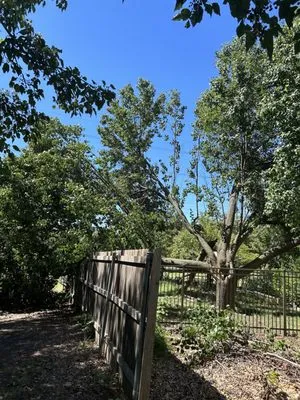
Wichita Tree Service
Wichita Tree Service is a locally owned and operated business serving our community since 2012. Founded by Wichita native Robert Phillips, we're built on the principles of honesty, hard work, and fair...
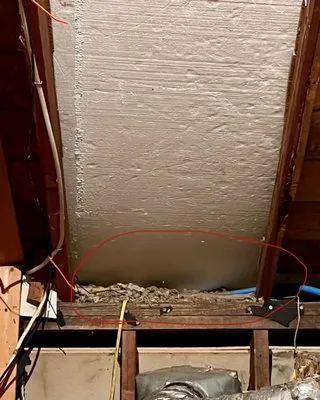
Those Pest Solutions is a locally owned and operated business in Hesston, KS, founded by a pest management professional with extensive national experience. After years working for a large national com...

Founded in Wichita during 2020, The Wash Guys emerged as a mobile service dedicated to helping our neighbors maintain their properties safely and conveniently. We started by bringing essential cleanin...
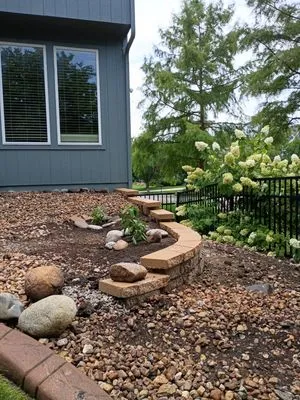
Finchs Landscaping is your Hutchinson-based partner for creating and maintaining a beautiful, functional outdoor space. We understand that local homeowners frequently face issues like landscape edging...
Brogan Landscaping & Lawn Care Service is a Hutchinson-based company specializing in comprehensive outdoor solutions for residential and commercial properties. With expertise in landscape design, cons...
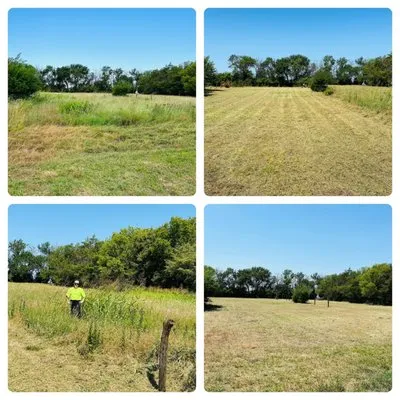
Canon's is your El Dorado, KS neighbor for reliable home and property upkeep. As a dedicated owner-operator, we handle a wide range of residential and industrial maintenance tasks with a focus on cons...
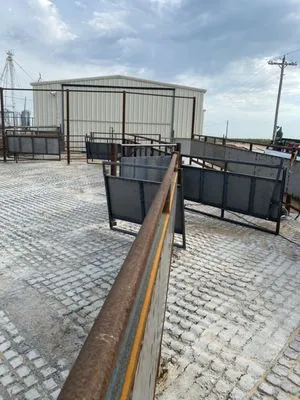
Saints Works is a trusted general contractor serving Great Bend, KS, with expertise in landscaping, metal fabrication, and comprehensive construction services. We specialize in home remodeling, new co...
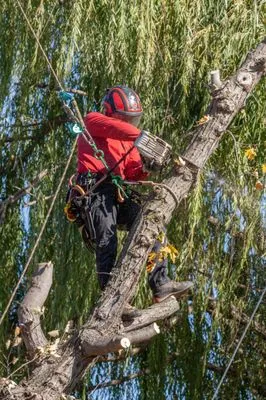
Joshua Tree Lawn & Garden has been the trusted choice for Valley Center homeowners and businesses seeking reliable outdoor solutions. We specialize in creating and maintaining landscapes that thrive i...
Shaws Lawn Care is a Willowbrook-based lawn service founded on a simple, neighborly principle: providing reliable, affordable lawn care for our community. I started this business because I saw a need—...
Estimated Landscaping Service Costs in Hesston, KS
Frequently Asked Questions
How quickly can you respond to storm damage for HOA compliance in Hesston?
Emergency cleanup crews dispatch from near Hesston College, taking I-135 to reach most residential areas within 15-20 minutes during peak conditions. Our electric maintenance fleet operates within standard quiet hours of 7:00 AM to 10:00 PM without noise violations. For immediate debris removal after severe weather, we prioritize safety assessments before clearing downed limbs or compromised hardscapes to restore property access and meet neighborhood standards.
What permits and licenses are needed for grading my 0.22-acre Hesston lot?
Grading that alters drainage patterns or involves cut/fill over 2 feet requires a permit from Hesston City Planning and Zoning. Contractors must hold Kansas Department of Agriculture landscaping licenses for earthmoving operations. On 0.22-acre lots, professional engineering may be needed if slope changes exceed 10% or affect neighboring properties. Licensed professionals carry insurance covering potential runoff impacts, ensuring compliance with state sediment control regulations during construction phases.
Are limestone veneer and permeable pavers better than wood for Hesston patios?
Limestone veneer offers superior durability with 50+ year lifespans versus wood's 10-15 years, requiring minimal maintenance in Kansas freeze-thaw cycles. Permeable paver systems manage runoff while providing stable surfaces. For properties with moderate fire-wise ratings, these non-combustible materials create defensible space when installed with proper clearance from structures. Their thermal mass also moderates temperature extremes, reducing urban heat island effects common in residential districts.
How do I maintain Tall Fescue during Hesston's voluntary water conservation periods?
Smart Wi-Fi ET-based controllers calculate evapotranspiration rates using local weather data to apply only necessary irrigation. This technology reduces water use by 20-30% compared to traditional timers while preserving turf health. During Stage 0 voluntary conservation, programming deep, infrequent watering cycles at dawn minimizes evaporation loss. Soil moisture sensors can further optimize schedules, ensuring Tall Fescue receives approximately 1-1.5 inches weekly without exceeding municipal guidelines.
Why does my Hesston Residential District lawn have drainage issues and compacted soil?
Hesston homes built around 1984 have soil that has matured for approximately 42 years. Silty clay loam common in this neighborhood naturally compacts over decades, reducing percolation rates below 0.5 inches per hour. Core aeration every 1-2 years with organic amendments like composted leaf mold addresses this by increasing soil porosity and microbial activity. The alkaline pH range of 7.2-7.8 further limits nutrient availability, requiring targeted soil testing before amendment applications.
Should I replace high-maintenance turf with native plants in Hesston?
Transitioning to Purple Coneflower, Little Bluestem, Butterfly Milkweed, and Switchgrass reduces mowing frequency and supports 2026 biodiversity targets. These natives require minimal irrigation once established and provide habitat for pollinators. Electric equipment used for maintenance stays within noise ordinance limits while eliminating gas emissions. Xeriscaping with these species also creates defensible space aligned with moderate Wildland-Urban Interface fire ratings through reduced fuel loads.
What solutions address seasonal clay saturation in my Hesston yard?
Seasonal runoff in silty clay loam requires graded swales or French drains to redirect water from foundations. Permeable pavers installed with aggregate bases increase infiltration rates to 5-10 inches per hour, meeting Hesston City Planning and Zoning runoff standards. For moderate drainage hazards, dry creek beds with native stone provide both function and aesthetic value while preventing soil erosion during heavy rains common in spring and fall months.
How do I control invasive species without violating fertilizer regulations?
For common invasives like Japanese knotweed or bindweed, mechanical removal followed by targeted herbicide applications during active growth phases proves most effective. Kansas BMP guidelines allow phosphorus-containing fertilizers only when soil tests confirm deficiencies, with no current bans but recommended application windows. Organic pre-emergents like corn gluten meal applied in early spring prevent weed germination while improving soil health through natural nitrogen release.
