Top Landscaping Services in Haysville, KS, 67060 | Compare & Call
There are 184 landscaping companies server in Haysville KS
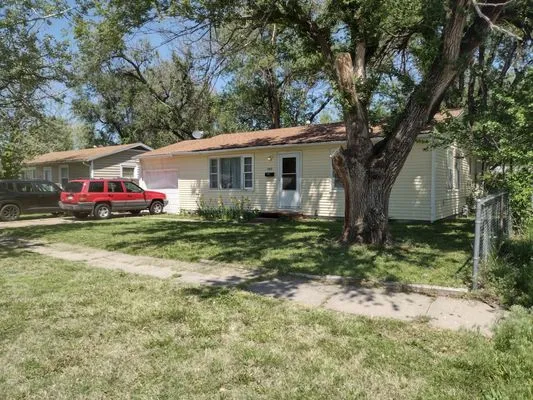
Hootman Lawn & Landscape is a Wichita-based company built on the simple belief that quality lawn care should be accessible to everyone. Growing up, we experienced firsthand how difficult it was to fin...
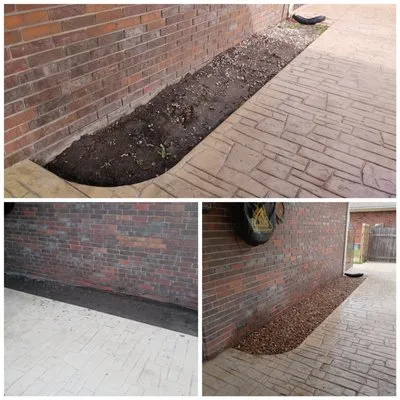
Homestead Services is a family-owned and operated tree and lawn care business serving Burrton, KS, and surrounding South Central Kansas communities. Founded in 2016 after the owner's experience with u...
Wendt Mowing is a trusted Newton lawn and irrigation specialist serving homeowners with comprehensive solutions for common local landscaping challenges. Many Newton properties struggle with poor lawn ...
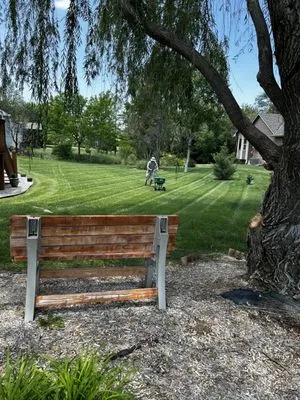
CB Enterprises of Derby is a trusted, locally-owned provider of comprehensive outdoor care for homes and businesses in Derby, KS. With over a decade of experience, we offer a full suite of landscaping...
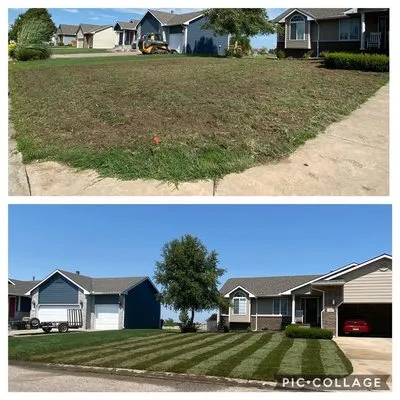
Nathan's Lawn Care is a locally owned and operated lawn service business in Wichita, KS, built on dedication and personal care. Founded by Nathan, a hardworking single father, the business grew from a...
KD Lawn & Tree
KD Lawn & Tree is your trusted, local family-owned business in Hesston, dedicated to keeping your yard healthy and looking its best. We provide reliable, affordable lawn care, tree services, and junk ...
Green Feet Landscaping is a trusted, local partner for homeowners across Wichita, KS, tackling the specific outdoor challenges common to our region. We specialize in diagnosing and treating pervasive ...
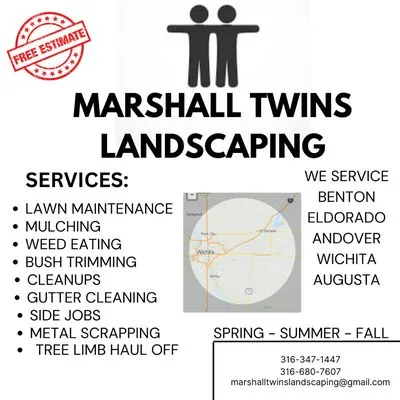
Marshall Twins Lawnscaping in Benton, KS, is a locally owned and operated service dedicated to keeping your outdoor spaces well-maintained and functional. We specialize in comprehensive lawn care, inc...
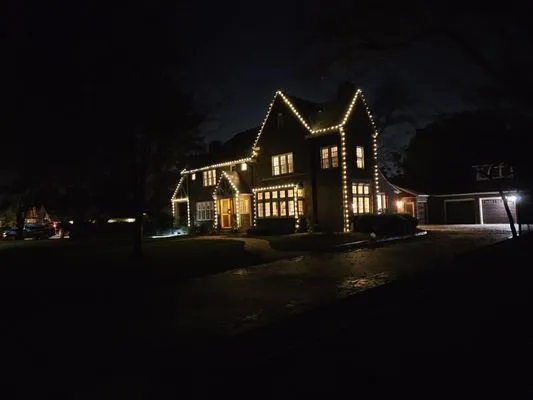
Treeple is your trusted, year-round partner for outdoor care in Wichita. We understand that local homeowners face common issues like weed infestations and irrigation timer failures, which can quickly ...
Greenway Landscape Management began as a dream with a single push mower in Wichita, KS. Through dedication and the support of our community, we've grown into a trusted local lawn care provider for ove...
Estimated Landscaping Service Costs in Haysville, KS
Q&A
Are permeable pavers a better choice than wood for a new patio?
Permeable Concrete Pavers offer superior longevity and functionality compared to wood in our climate. Their inherent permeability manages runoff on-site, a key advantage for clay soils, while their non-combustible nature supports a Moderate Fire Wise rating by creating defensible space. Unlike wood, they require no sealing or replacement from rot, providing a durable, low-maintenance surface that integrates with modern drainage requirements.
We have an HOA notice for overgrowth. How quickly can you respond?
Emergency compliance calls receive priority dispatch. From our central staging area near Riggs Park, crews take I-135 directly into the Haysville Residential District, ensuring a standard 20-30 minute response window. Our electric maintenance fleet operates within municipal quiet hours, allowing for immediate, low-noise mowing and trimming to rectify violations upon arrival.
What permits and credentials are needed for regrading our yard?
Regrading a 0.22-acre lot often requires a permit from the Haysville Planning and Zoning Department to ensure proper drainage and compliance with local codes. The contractor must hold appropriate licensing through the Kansas Department of Agriculture, which validates competency in soil management and erosion control. This licensing is mandatory for any significant alteration of land contour to protect against property damage and environmental harm.
What invasive species should I watch for, and how are they treated safely?
Proactive scouting for invasive species like bindweed and Johnsongrass is critical in established neighborhoods. Treatment follows Kansas Department of Agriculture nutrient management BMPs, which may include targeted, non-residual herbicide applications outside of any local blackout dates. For organic suppression, heavy mulching and manual removal before seed set are effective, though they require consistent seasonal effort to manage.
How do we keep our Tall Fescue green during Haysville's voluntary water conservation?
Wi-Fi ET-based weather-sensing controllers are the standard for compliance. These systems automatically adjust irrigation schedules by calculating daily evapotranspiration (ET) rates from local weather data. This precision prevents overwatering, aligning with Stage 1 conservation goals while maintaining turf health. Deep, infrequent watering cycles are programmed to encourage deeper root growth, enhancing drought resilience within the 6b hardiness zone.
We want to reduce mowing and gas equipment noise. What are our options?
Transitioning high-maintenance turf to a xeriscape featuring natives like Purple Coneflower, Little Bluestem, and Switchgrass drastically cuts water and maintenance needs. These deep-rooted plants build soil structure and require no weekly mowing, staying ahead of evolving noise ordinances targeting gas blowers. This biodiversity-focused landscape also provides critical habitat, aligning with 2026 ecological standards for urban spaces.
Water pools in our yard after rain. What's the best long-term solution?
Ponding is a direct result of the low permeability in Silty Clay Loam soils. Installing a French drain system connected to a dry well addresses subsurface flow. For surface solutions, replacing impervious surfaces with Permeable Concrete Pavers significantly reduces runoff and meets the Haysville Planning and Zoning Department's stormwater management standards. Grading to create a subtle slope away from the foundation is also a critical first step.
My lawn struggles with compaction. Could my home's age be a factor?
Properties in the Haysville Residential District, with an average build year of 1985, have 40-year-old soil profiles. This soil maturity, combined with the native Silty Clay Loam, leads to severe compaction and reduced percolation over time. Core aeration is essential to disrupt the dense clay pan, followed by incorporating compost to build organic matter. Without these amendments, water infiltration and root development for Tall Fescue remain critically limited.
